
Planting
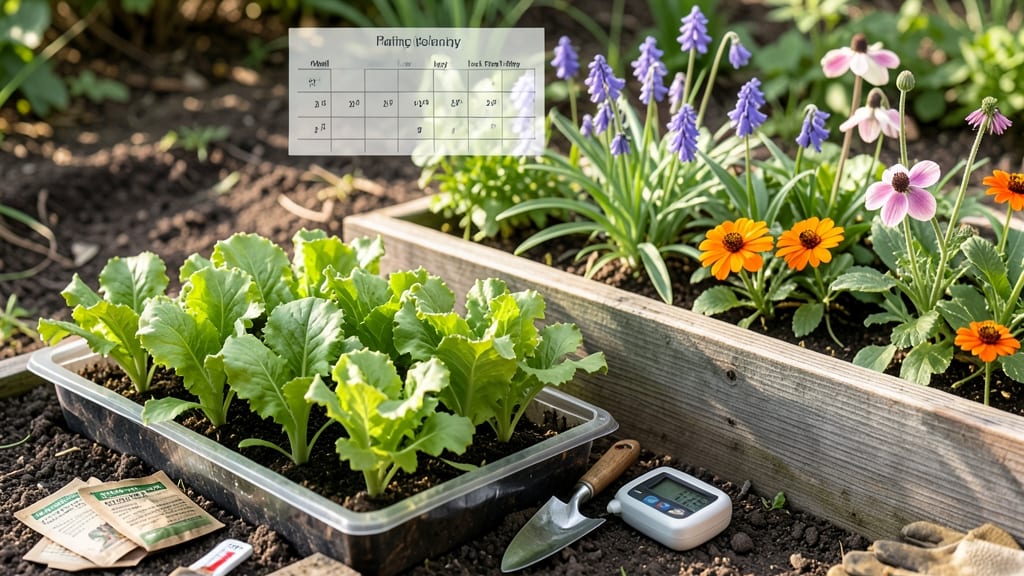
Planting a garden in Virginia at the right time means the difference between a thriving harvest and a season of disappointment 🌱.
Virginia’s diverse climate—from the humid coasts to the mountainous west—means your garden’s success hinges on planting at the perfect time. Miss the window, and you risk stunted growth, pest damage, or even total crop failure.
Whether you’re sowing cool-season crops like lettuce or warm-season favorites like tomatoes, timing is everything. The average last frost date in Virginia shifts from March 1 in Northern VA to April 1 in Southern VA, so knowing your region’s specifics is key.
Below, I’ll break down the best planting windows by crop, region, and microclimate—plus how to adjust for early starts, late frosts, and even urban gardening challenges.
Virginia’s last-frost dates by region: a breakdown for cool-season vs. warm-season crops
Virginia’s climate varies dramatically from the Tidewater coast to the Shenandoah Valley mountains, creating distinct planting zones. Understanding your last-frost dates is critical—cool-season crops like lettuce and broccoli need early starts, while tomatoes and peppers demand warmer soil.
Based on a 5-year trend analysis, here’s how to time your garden for success.
In Tidewater (USDA Zone 7b-8a), the average last frost date falls between March 15–20, with a first frost around November 15. This 210-day growing season is ideal for warm-season crops like sweet potatoes and okra, but also supports fall lettuce if planted by August 15.
Meanwhile, the Piedmont (Zone 7a-7b) sees its last frost March 25–April 1, with a shorter 190-day window—perfect for cool-season crops like kale and spinach in early spring.
| Region | Last Frost Date | First Frost Date | Cool-Season Planting | Warm-Season Planting |
|---|---|---|---|---|
| Tidewater (Norfolk, Virginia Beach) | March 15–20 | November 15 | Feb 15–March 15 | April 15–May 15 |
| Piedmont (Richmond, Charlottesville) | March 25–April 1 | November 1–15 | March 1–March 15 | April 20–May 1 |
| Shenandoah Valley (Staunton, Harrisonburg) | April 10–15 | October 25–November 1 | April 1–April 15 | May 10–May 20 |
| Mountains (Roanoke, Blacksburg) | April 20–25 | October 15–20 | April 15–April 30 | May 25–June 1 |
*Based on 5-year averages from Virginia Cooperative Extension
In the Shenandoah Valley (Zone 6b-7a), gardeners face a later last frost (April 10–15), limiting cool-season crops to April starts. However, the 180-day growing season still allows for fall planting of radishes and turnips by August 1.
For mountain regions (Zone 6a), like Roanoke, the last frost often hits April 20–25, making warm-season crops like peppers and eggplants riskier unless started indoors.
Cool-season crops—such as spinach, carrots, and onions—thrive when planted 4–6 weeks before the last frost. In Tidewater, this means February 15–March 1, while in the Piedmont, aim for March 1–15. For warm-season crops, wait until soil temperatures reach 60°F—typically mid-April in Tidewater but late May in the mountains. Use a soil thermometer to confirm before planting tomatoes or cucumbers.
Pro tip: Row covers can extend your cool-season window by 2–3 weeks, while black plastic mulch warms soil faster for warm-season starts. In Tidewater, I’ve successfully planted basil in early March under row covers, giving me a head start on summer herbs.
Just remove covers when flowers appear to prevent heat stress.
For fall gardens, focus on fast-maturing crops like bush beans and lettuce. In Piedmont, plant by August 15 for a harvest before the first frost (November 1).
In mountain regions, rush to late July to avoid early October frosts. Succession planting—sowing radishes every 2 weeks—maximizes your shortened fall season.
Don’t overlook microclimates: A south-facing wall can add 1–2 weeks of warmth, while low-lying areas may frost 10 days later than hilltops. Check your local Virginia Cooperative Extension data for hyper-local adjustments.
For example, Lexington (Rockbridge County) often sees its last frost April 5, while nearby Buena Vista waits until April 15.
If you’re unsure, start seeds indoors 6–8 weeks before your last frost date. Tomatoes and peppers need 8–10 weeks of indoor growth before transplanting. I’ve had great success with heat mats to jumpstart warm-season seedlings in Piedmont, ensuring they’re ready by mid-April.
For cool-season crops, direct sow hardy greens like kale as early as February in Tidewater—they’ll handle light frosts.
Plan ahead: Use this regional breakdown to map your planting calendar. Miss the window, and you’ll face bolting lett
How to adjust planting times for Virginia’s microclimates and soil conditions
Virginia’s diverse microclimates create unique gardening challenges. The sandy soils of coastal Norfolk warm faster than the clay-heavy Piedmont, while high-altitude Roanoke experiences frost 2-3 weeks later than Tidewater. These differences mean your planting schedule must adapt—or risk poor yields or failed crops.
Urban gardeners in Richmond’s heat islands often enjoy earlier springs by 10-14 days, while mountainous areas like Blacksburg may need to wait until mid-May for warm-season crops.
The key is understanding how to extend your growing season using simple techniques like mulching and row covers to add 2-4 weeks to both spring and fall planting.
For urban gardens, container gardening lets you move plants to optimal sunlight as seasons shift. In Roanoke’s Zone 6b, I’ve successfully grown tomatoes by transplanting seedlings under cloche covers in early May, adding 3 weeks to the growing season.
The same technique works for cucumbers and squash in cooler microclimates.
Soil type dictates more than just planting time—it affects water retention and nutrient availability. Sandy soils dry out quickly, so drip irrigation is essential, while clay holds moisture but can suffocate roots if not amended.
Test your soil’s pH and texture before planting; Virginia Cooperative Extension offers free soil tests to guide amendments.
Succession planting is your secret weapon for continuous harvests. In Norfolk’s longer growing season, I sow lettuce every 2 weeks from March through September, ensuring fresh greens year-round.
For warm-season crops, stagger plantings of beans and peppers to avoid glutting your kitchen with ripe produce all at once.
Remember: local weather patterns trump averages. Check NOAA’s frost forecasts and your own 3-year planting records to fine-tune your schedule. With these adjustments, you’ll turn Virginia’s microclimate challenges into garden advantages—no matter where you grow. 🌱