
Planting
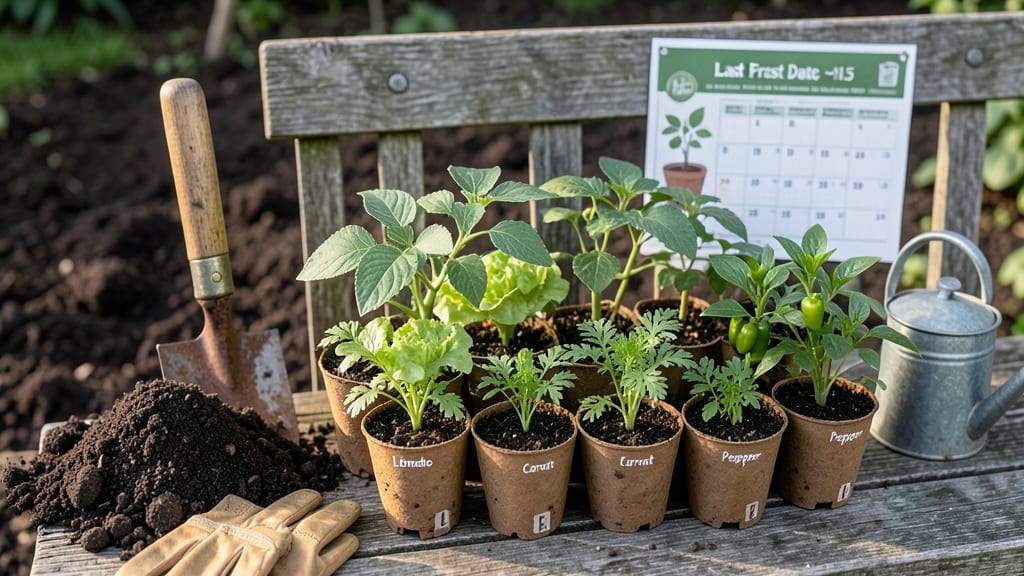
To plant a vegetable garden in Virginia means timing your crops to Virginia’s frost dates and microclimates—because getting it wrong can mean lost seedlings or missed harvests.
Virginia’s diverse climate—from the mountains to the coast—means your vegetable garden’s success hinges on timing. Plant too early, and frost will wipe out your seedlings; too late, and you’ll miss peak harvests. Here’s your zone-by-zone, crop-by-crop guide to planting at the perfect moment.
Whether you’re in the Coastal Plain, Piedmont, or Mountains, the last frost date shifts dramatically—from late February in Norfolk to mid-May in Roanoke.
Cool-season crops like lettuce and spinach thrive when planted 4-6 weeks before your average last frost, while tomatoes and peppers need the soil to warm up to 60°F before going in.
Below, I break down the exact planting windows for your zone, how to adjust for early spring or fall planting, and the best Virginia-specific varieties to grow. No more guessing—just a foolproof schedule for a bountiful garden.
Virginia’s frost-free dates by planting zone: your crop timeline
Virginia’s USDA zones 5a–8a create a patchwork of planting opportunities, from the cool mountain valleys of zone 5a to the warmer coastal plains of zone 8a. Knowing your last frost date is critical—it determines when to plant heat-loving tomatoes or cool-season lettuce without risking frost damage.
For example, Roanoke (zone 6b) typically sees its last frost around April 15, while Norfolk (zone 8a) can plant warm crops as early as March 1. Let’s break down your zone’s frost-free window and ideal planting times for both cool-season and warm-season crops.
Your frost-free date marks the safe window for planting warm-season vegetables like peppers, eggplants, and cucumbers. However, cool-season crops (spinach, kale, peas) can often tolerate light frosts and may even thrive with an early spring planting.
The key is understanding your average first frost date too—this tells you when to harvest or protect tender plants. In zone 5a (e.g., Shenandoah Valley), the first frost arrives by October 20, while zone 8a (e.g., Hampton Roads) may not see frost until December 15.
Here’s a quick reference for Virginia’s planting zones and their frost-free dates, tailored for both cool-season and warm-season crops. Use this as your guide to align your garden with nature’s calendar.
| USDA Zone | Last Frost Date | First Frost Date | Cool-Season Planting Window | Warm-Season Planting Window | Example Cities |
|---|---|---|---|---|---|
| 5a | April 20–May 5 | October 10–20 | March 15–April 15 | May 15–June 1 | Roanoke (partial), Shenandoah Valley |
| 6a | April 10–20 | October 20–November 5 | March 1–April 10 | May 1–May 15 | Charlottesville, Lynchburg |
| 6b | April 1–10 | November 5–15 | February 28–April 1 | April 20–May 1 | Roanoke, Staunton |
| 7a | March 20–April 5 | November 15–25 | February 15–March 15 | April 1–April 15 | Richmond, Fredericksburg |
| 7b | March 10–20 | November 25–December 5 | February 1–March 10 | March 20–April 1 | Williamsburg, Petersburg |
| 8a | February 28–March 15 | December 15–January 5 | January 15–February 15 | March 1–March 15 | Norfolk, Virginia Beach |
If you’re in zone 5a or 6a, focus on early spring planting (March–April) for cool-season crops like broccoli and peas. These areas have shorter growing seasons, so warm-season crops (tomatoes, peppers) should go in by late April
Best vegetables to plant in Virginia by season: a month-by-month guide
Virginia’s gardening seasons vary dramatically from the Coastal Plain to the Blue Ridge Mountains, so timing is everything. Cool-season crops like lettuce and spinach thrive in early spring and fall, while tomatoes and peppers need warm soil to germinate.
Below, I’ve broken down the best month-by-month planting schedule for 12 essential crops, plus succession planting tips to keep your harvests flowing.
For Zone 6 (Piedmont) and Zone 7 (Coastal), most gardeners aim for late March to early April for cool-season crops, while warm-season plants go in after the last frost date (typically mid-April to early May).
In Zone 5 (Mountains), wait until after May 15 to avoid late frosts. Always check your local Virginia Cooperative Extension for precise dates.
🌱 Month-by-Month Planting Guide for Virginia
- March: Cool-season crops like lettuce, spinach, and peas. Start onion sets indoors for transplanting later.
- April: Broccoli, cabbage, and kale go in early April. By mid-April, prep beds for tomatoes and peppers with mulch to warm soil.
- May: Plant tomatoes (e.g., ‘Celebrity’), peppers, and beans after last frost. Succession plant lettuce every 2 weeks for fall harvests.
- June: Direct-sow cucumbers, squash, and corn. Thin seedlings to avoid overcrowding. Start fall radishes indoors.
- July: Plant green beans and carrots for late-summer harvests. Use shade cloth to protect tender greens from heat.
- August: Sow spinach, kale, and turnips for fall harvests. Transplant broccoli and cauliflower seedlings.
- September: Last chance for warm-season crops like peppers in containers. Focus on cool-season crops for winter harvests.
- October: Plant garlic cloves and onion sets for next year. Cover beds with straw mulch to protect soil.
For continuous harvests, practice succession planting. For example, sow lettuce every 2 weeks from April to August to avoid bolting. In Zone 7, you can even grow winter greens like kale year-round with row covers.
Always space plants according to their mature size—crowding invites disease and reduces yields.
Virginia’s heat tolerance makes it ideal for ‘Celebrity’ tomatoes and ‘Jupiter’ peppers, which thrive in 90°F+ temperatures. If you’re in Zone 5, opt for early-maturing varieties like ‘Stupice’ tomatoes to beat late frosts. Water deeply in the morning to prevent fungal diseases, especially during humid summers.
Pro tip: Use black plastic mulch in early spring to warm soil faster for tomatoes and peppers. In shady spots, grow leaf lettuce or radishes instead of sun-loving crops. With this schedule, you’ll enjoy fresh homegrown veggies from spring through fall—and even winter in milder zones! 🌿