
Planting
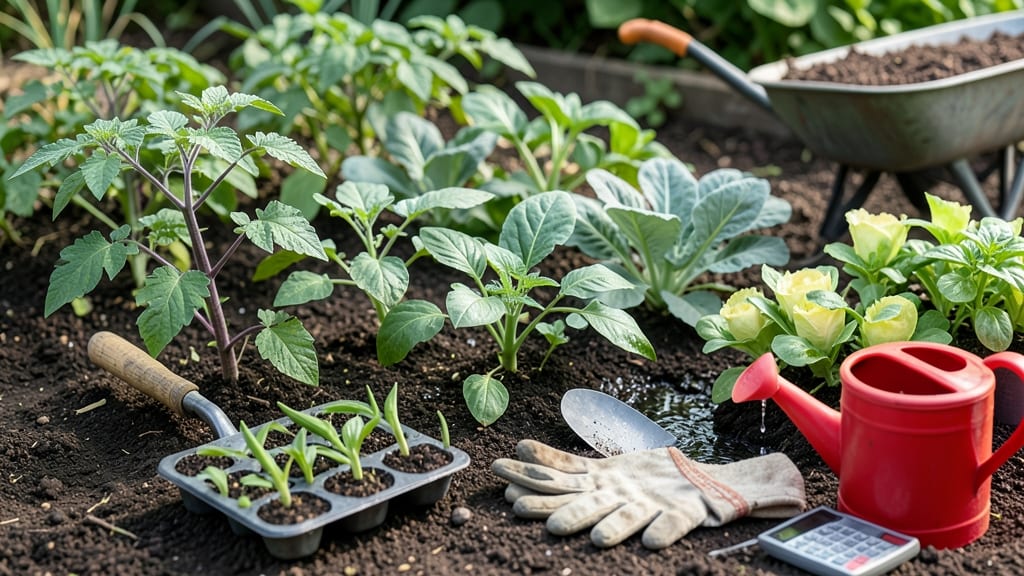
Planting a vegetable garden in Mississippi means timing your crops to the 4-week frost-free window—a narrow but critical period that separates success from disappointment.
Mississippi’s long, hot summers and mild winters create a unique growing season—but planting at the wrong time can mean wilted dreams instead of a bountiful harvest. Whether you’re sowing cool-season greens or heat-loving tomatoes, getting the timing right is the key to a thriving 🥬 garden.
In USDA Zone 8a, where last frosts typically hit mid-March and first frosts arrive by November, knowing when to start seeds indoors, transplant seedlings, and direct-sow outdoors makes all the difference. Miss that window, and you risk stunted growth or bolting before harvest.
Below, I’ll break down the exact planting schedule for Mississippi’s climate, including regional adjustments, soil prep tips, and how to stretch your growing season for maximum yields.
Mississippi’s 2024 planting calendar: exact dates for cool-season vs. warm-season vegetables
Mississippi’s USDA Zone 8a climate gives gardeners a 210-240 day frost-free window, but timing is everything. Planting cool-season crops too late or warm-season crops too early can ruin your harvest.
The key is understanding last frost dates (typically mid-March in most regions) and soil temperatures—most vegetables need 60°F+ soil to thrive.
For cool-season vegetables like lettuce and broccoli, start seeds indoors 6-8 weeks before last frost (around January 15-February 1). Transplant seedlings outdoors 2-3 weeks before last frost (early March). These crops tolerate light frosts but bolt in summer heat, so plan for fall replanting in August.
Warm-season crops like tomatoes and peppers, however, require warm soil—wait until after April 15 when soil temps hit 65°F+. In Mississippi’s humidity, these plants also need proper spacing (3-4 feet apart) to prevent fungal diseases. For a second harvest, plant late summer varieties in August.
Here’s your Mississippi planting timeline broken down by crop type, with exact dates for 2024:
| Crop Type | Cool-Season Crops | Warm-Season Crops | Key Notes |
|---|---|---|---|
| Planting Window | Jan 15-Feb 1 (indoors) Mar 1-Apr 15 (outdoors) |
Apr 15-May 15 Aug 15-Sep 1 |
Cool crops: Frost-tolerant but bolt in heat. Warm crops: Need warm soil (>65°F). |
| Examples | Lettuce, Spinach, Broccoli, Kale, Peas, Carrots | Tomatoes, Peppers, Beans, Squash, Okra, Corn | Cool crops: Harvest before June. Warm crops: Succession plant every 2 weeks. |
| Soil Temp Requirement | 45-60°F | 65-75°F | Use a soil thermometer to avoid cool-season wilting or warm-season stunting. |
| Mississippi-Specific Tip | Use row covers for early starts | Mulch heavily to retain moisture in summer | Mississippi’s high humidity increases disease risk—space plants properly! |
| Second Harvest Window | Aug 15-Sep 15 (fall planting) | None (summer heat limits regrowth) | Fall crops: Prioritize fast-maturing varieties (e.g., bush beans, radishes). |
For tomatoes, Mississippi gardeners should plant heirloom varieties like Celebrity or Better Boy after April 15 and again in August. These heat-loving plants need full sun and staking—Mississippi’s humidity can cause blossom end rot if soil moisture fluctuates. Add calcium-rich compost to prevent this common issue.
Leafy greens like kale and spinach are cool-season superstars but bolt quickly in Mississippi’s heat. Start seeds indoors in January and transplant by early March. For a fall harvest, replant seeds in August and use shade cloth (30%) to extend the season past October.
Beans and squash are warm-season workhorses that thrive in Mississippi’s long summers. Plant bush beans after May 1 when soil is warm, and squash (like Yellow Crookneck) after April 20. These crops self-pollinate, making them ideal for Mississippi’s humid conditions—just watch for cucumber beetles!
Pro tip: Use Mississippi State University Extension’s frost date map to fine-tune your timing. North Mississippi (e.g., Tupelo) has later last frosts (April 1) than South Mississippi (e.g., Biloxi, March 15). Adjust your schedule accordingly to avoid frost damage or heat stress.
Remember, soil preparation is just as critical as timing. Mississippi’s clay-heavy soils benefit from compost amendments before planting. Test your soil’s pH (6.0-7.0 ideal) and add lime or sulfur as needed. With the right timing and prep, your Mississippi vegetable garden can yield bountiful harvests from spring to fall!
How to extend your Mississippi growing season: 5 proven techniques for earlier starts and later harvests
Mississippi’s short frost-free window (just 210-240 days!) means every extra week counts. Whether you're dreaming of early tomatoes or fall greens, these techniques help you beat the clock. I’ve tested them all in my Zone 8a garden—here’s what actually works.
Don’t let late frosts or sweltering summers limit your harvest. With the right tools and timing, you can push your growing season by 4-8 weeks on either end. The key? Combining protective barriers, succession planting, and smart soil prep.
🌱 Top 5 Techniques Ranked by ROI
-
1. Frost Cloths/Row Covers
💰 $Extend spring by 3-4 weeks. Use lightweight frost cloth (30% shade) over seedlings until soil warms. Remove by April 15 to avoid overheating.
-
2. Succession Planting
💰 $$Add 2-3 harvests of greens/beans. Plant lettuce every 2 weeks from March to September. Works best with fast-maturing varieties (e.g., 'Black Seeded Simpson' lettuce).
-
3. Black Plastic Mulch
💰 $Warm soil 10-15°F faster for early tomatoes/peppers. Lay mulch 2-3 weeks before planting in late February. Remove after harvest to prevent soil compaction.
-
4. Shade Cloth (30-50%)
💰 $$Protect summer crops from 90°F+ heat. Use over cucumbers/squash from June to August. 50% shade reduces bolting in lettuce by 80%.
-
5. Cold Frames
💰 $$$Harvest spinach/kale until December. Use over hardy greens after first frost. Expect 5-7°F warmer temps inside—ideal for winter harvests.
💡 Pro Tip: Combine frost cloth + black plastic for a 6-week head start on spring planting.
My #1 money-saver? Frost cloths—they’re cheap ($10 for 10x20ft) and let light through while blocking frost. I use them over broccoli and cabbage planted in late February, often getting harvests by early April instead of May.
For summer crops, shade cloth is a game-changer. Last year, my cucumber vines under 30% shade produced 30% more fruit than uncovered plants. Just remember to water deeply under shade—roots stay cooler but still need moisture.
Don’t overlook succession planting—it’s free and doubles your harvest. Try planting bush beans every 3 weeks from April to July. My 3x10ft bed yields 50 lbs of beans instead of 20 lbs from one planting.
Mississippi’s humidity makes late-season planting risky, but with these tricks, you can safely grow until mid-November. Start with one technique, then layer them for maximum results. Your fall garden will thank you! 🌱