
Planting
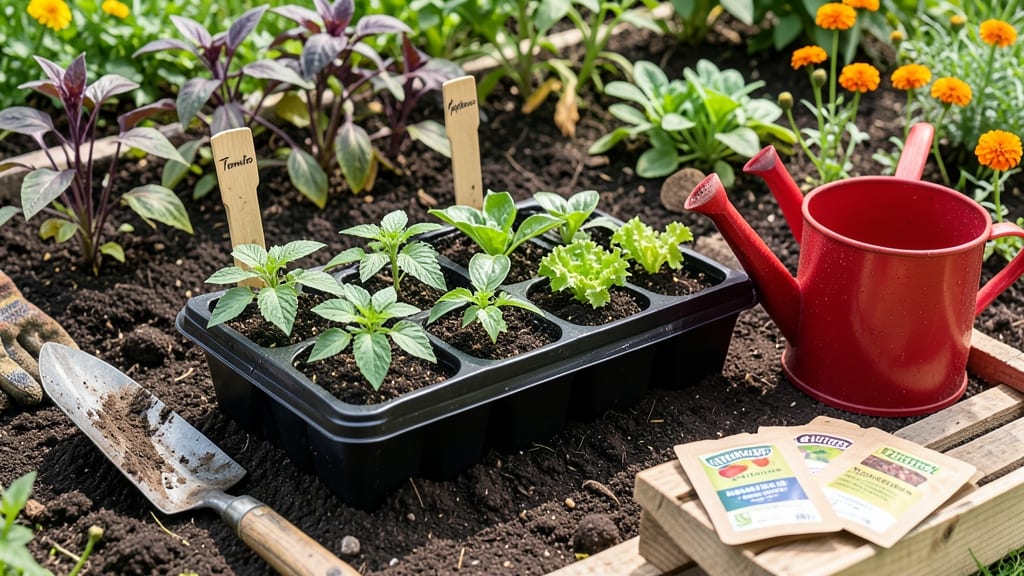
To plant a garden in your zone at the perfect time means aligning your seeds with nature’s calendar—not guessing.
Picture this: you’ve prepped the soil, ordered your seeds, and then a late frost wipes out everything. Or worse, you plant too late and the heat arrives before your tomatoes even set fruit. Timing is everything, and getting it wrong can turn months of work into disappointment.
Your local frost-free window is the key to avoiding these mistakes. Whether you’re in Zone 6a or a warmer region, knowing when to start cool-season crops like lettuce and when to hold off on heat-lovers like peppers can mean the difference between a bountiful harvest and a failed experiment.
In this guide, I’ll walk you through how to pinpoint your exact planting dates by crop type, adjust for early or late starts, and even stretch your growing season with simple tricks.
By the end, you’ll know exactly when to plant a garden in your zone—and why waiting too long (or starting too soon) can cost you.
Understanding your frost-free window: how to determine planting dates by zone
Knowing your frost-free window is the foundation of successful gardening. This period—the time between your last spring frost and first fall frost—dictates when you can safely plant warm-season crops and when cool-season plants can thrive. Without this knowledge, even the hardiest seeds may fail to germinate or produce.
My USDA hardiness zone (like Zone 6a) gives me a starting point, but local microclimates and historical frost data refine the timing for my specific garden.
To find your last frost date, check local weather records or use tools like the National Oceanic and Atmospheric Administration (NOAA) frost maps.
For example, in Zone 6a, the average last frost typically falls around April 15, but this can vary by 5-10 days depending on elevation or proximity to large bodies of water.
I always add a 2-week buffer to account for unpredictable weather patterns, ensuring my seedlings aren’t caught in a late freeze.
Your USDA zone map provides a general guideline, but microclimates—like a sunny south-facing slope or a shady valley—can shift your frost-free window by 1-3 weeks.
For instance, urban areas with concrete and asphalt may experience earlier last frosts due to heat retention, while rural areas might see later frosts because of cooler nighttime temperatures. I test my microclimate by planting tender perennials like geraniums in early spring; if they survive, my frost-free window starts earlier.
Once you’ve identified your frost-free window, calculate the days to maturity for each crop. For example, bush beans take 50-60 days to harvest, so I plant them 60 days before my first fall frost (around September 15 in Zone 6a).
Meanwhile, slow-growing crops like broccoli (90+ days) get a head start in early spring. Using a planting calendar tailored to your zone ensures I maximize my growing season without overcrowding or rushing harvests.
Adjusting for microclimates is where gardening gets personal. A south-facing wall can warm the air by 5–10°F, allowing me to plant heat-loving crops like
Best planting times for cool-season vs. warm-season crops by region
Mastering the art of seasonal planting starts with understanding your region’s climate. Cool-season crops like lettuce and peas thrive in spring and fall, while warm-season crops such as tomatoes and peppers need the warmth of summer months.
Your location—whether Northern, Southern, or transitional—will dictate the best planting windows to maximize your harvest.
In Northern climates (USDA Zones 1-5), you’ll plant cool-season crops early spring (March-April) and late summer (August-September). Meanwhile, warm-season crops go in after the last frost, typically May-June.
Southern regions (Zones 7-10) enjoy longer growing seasons, allowing year-round planting for many crops, while transitional zones (Zones 6) blend both strategies.
Here’s a quick reference for ideal planting times based on your region, helping you align your garden with nature’s rhythm for bigger yields and healthier plants.
| Crop Type | Northern Climates (Zones 1-5) | Southern Climates (Zones 7-10) | Transitional Climates (Zone 6) |
|---|---|---|---|
| Cool-Season Crops | March-April (spring) & August-Sept (fall) | October-Nov (fall) & Feb-March (spring) | March-April (spring) & Sept-Oct (fall) |
| Warm-Season Crops | May-June (after last frost) | April-May (early) & Sept-Oct (late) | April-May (after frost) & July-Aug (late) |
| Examples | Lettuce, Spinach, Peas, Broccoli | Kale, Carrots, Radishes, Green Onions | Cabbage, Beets, Swiss Chard, Arugula |
| Examples | Tomatoes, Peppers, Cucumbers, Corn | Okra, Sweet Potatoes, Peppers, Eggplant | Zucchini, Basil, Green Beans, Melons |
For Northern gardeners, focus on early spring plantings of cool-season crops like lettuce and spinach. These plants tolerate cooler temperatures and even light frosts. Once the last frost date passes, switch to warm-season crops such as tomatoes and peppers, which need consistent warmth to thrive.
In Southern climates, the extended growing season lets you plant cool-season crops in fall and warm-season crops in early spring. For example, you can grow broccoli in October and tomatoes in April without worrying about frost. This flexibility means year-round harvests with proper planning.
Transitional zones like Zone 6 offer a middle ground. Plant cool-season crops in early spring and late summer, while warm-season crops go in late spring and early summer. Use row covers or cold frames to extend your planting windows further in both directions.