
Planting
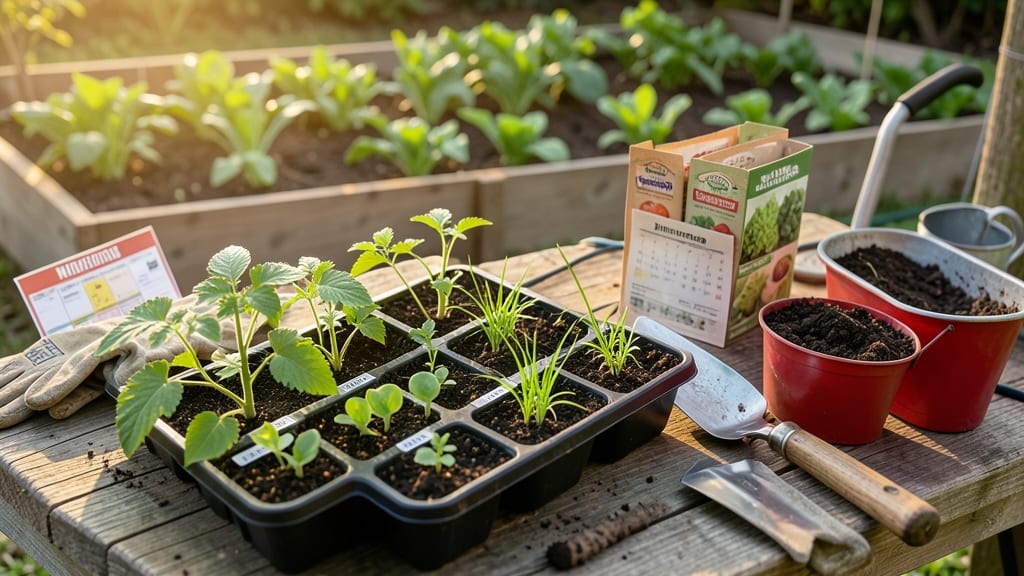
Planting a vegetable garden in Missouri means timing your crops to avoid frost zaps and heat stress—knowing your USDA zone (5b–7a) and local frost dates is the key to a bountiful harvest.
Missouri’s unpredictable climate—from freezing winters to scorching summers—can make timing your vegetable garden tricky. Plant too early, and frost will wipe out your seedlings; too late, and heat stress or pests ruin your harvest. Mastering the frost-free window by crop type ensures a thriving garden from spring to fall.
Cool-season crops like lettuce and peas thrive when planted 4–6 weeks before your last frost date, while warm-season favorites such as tomatoes and peppers need soil temperatures above 60°F to take off. Whether you're in St. Louis or rural Missouri, getting these details right makes all the difference.
In this guide, I’ll break down the exact planting windows for your region, plus succession planting tips to stretch your harvest and avoid common Missouri mistakes that derail even the best-laid plans.
Missouri’s frost dates by region: key planting windows for cool-season crops
Missouri’s USDA Hardiness Zones 5b–7a create distinct planting windows for cool-season crops like lettuce, spinach, broccoli, peas, and onions. Northern regions (e.g., St. Louis) have later last frost dates than southern areas (e.g., Kansas City), so timing matters.
Understanding your average last frost date—typically April 15–May 1—helps avoid frost damage to tender seedlings.
For Zone 5b (northwest Missouri), the last frost date often falls around April 20–May 5, while Zone 7a (southeast Missouri) sees last frosts as late as April 1–15.
These differences mean lettuce seedlings planted in St. Louis (Zone 6a) should go in by March 15–April 1 for a 60–70-day harvest before summer heat sets in.
Here’s how to use these frost dates: Start cool-season crops indoors 4–6 weeks before your last frost date.
For example, broccoli in Kansas City (Zone 6a) should begin indoors by March 1 for transplanting after April 15. Peas and spinach, however, tolerate light frosts and can often be direct-sown 2–4 weeks before your last frost.
| Region/Zone | Avg. Last Frost | Avg. First Frost | Lettuce Planting | Spinach Planting |
|---|---|---|---|---|
| Northwest (5b) | April 20–May 5 | October 15–20 | March 15–April 1 (start indoors) | March 1–March 15 (direct sow) |
| St. Louis (6a) | April 15–May 1 | October 10–15 | March 1–March 15 (indoors) | February 28–March 10 (direct sow) |
| Kansas City (6b) | April 10–20 | October 5–10 | February 20–March 1 (indoors) | February 15–25 (direct sow) |
| Southeast (7a) | April 1–15 | October 1–5 | February 1–15 (indoors) | January 31–February 10 (direct sow) |
Onions and broccoli need slightly earlier starts due to their longer growing seasons (90–120 days). In Zone 5b, begin broccoli indoors by February 1 for transplanting after April 20. For onions, sets can be planted as early as February 15 in Zone 7a or March 15 in Zone 5b, as they tolerate cooler soils.
Missouri’s first frost dates in fall (typically October 1–15) signal when to plant late cool-season crops like kale or radishes. Succession plant spinach or lettuce every 2–3 weeks from July–August for a fall harvest before hard frosts arrive. Use row covers to
Warm-season vegetables in Missouri: heat-tolerant crops and their exact planting times
Missouri’s summers bring intense heat and humidity, but with the right timing, you can grow heat-tolerant vegetables like tomatoes, peppers, and squash. The key is planting when soil temperatures reach 60°F+—this prevents stunted growth and blossom-end rot.
For most of Missouri (USDA Zones 5b–7a), this means waiting until mid-April to late May for northern regions and early April for southern areas.
Succession planting is your secret weapon to extend harvests and avoid bolting. For example, plant bush beans every 2–3 weeks from May to July, while cucumbers and squash benefit from staggered plantings in June.
Below, I’ve ranked these crops by heat tolerance and provided exact planting windows tailored to Missouri’s climate.
For tomatoes, start seeds indoors in March and transplant outdoors after the last frost date (typically mid-April in southern Missouri to early May in the north).
Use black plastic mulch to warm soil faster and reduce blossom-end rot. Varieties like Celebrity or Better Boy handle Missouri’s heat well.
Peppers are the most heat-tolerant crop on this list, so plant them after soil reaches 70°F (usually late April to May). Jalapeños and Cayenne varieties thrive in Missouri’s summers. To prevent fruit drop, keep soil consistently moist and use balanced fertilizer (10-10-10) every 3–4 weeks.
Cucumbers and squash love the heat but need consistent watering to avoid bitter fruit. Plant cucumbers in early June and squash (like Butternut or Zucchini) in late May.
Succession plant bush beans every 2 weeks from May to July for a continuous harvest. Avoid planting near pole beans—they compete for nutrients.
Missouri’s late-summer heat can cause bolting in warm-season crops, so use shade cloth during peak afternoons if temperatures exceed 95°F. Mulch with straw to retain moisture and cool roots. By following these heat-tolerance guidelines, you’ll enjoy fresh tomatoes, peppers, and squash straight through October.