
Planting
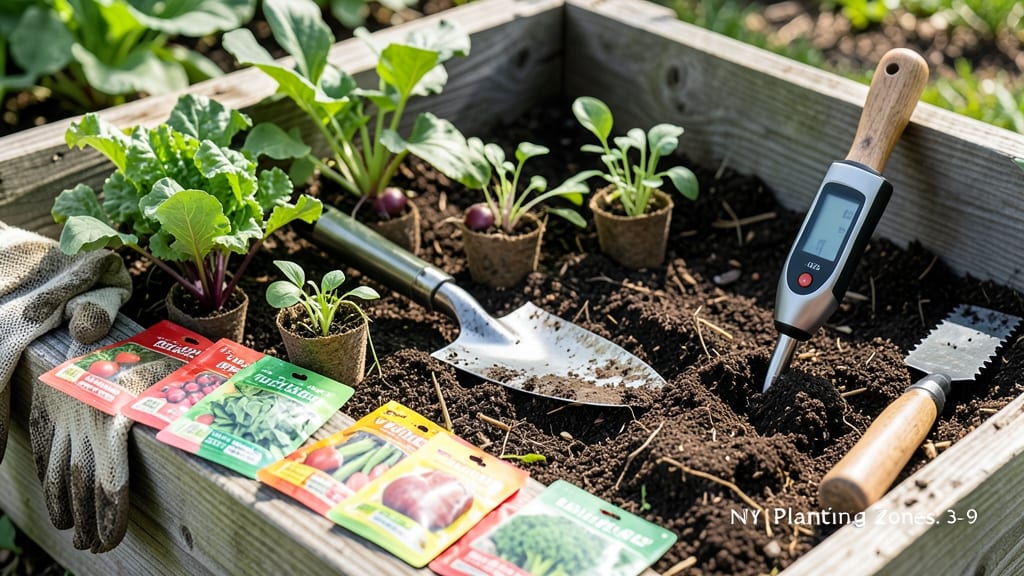
Planting a vegetable garden in New York at the right time ensures a fast, bountiful harvest—and missing the window means frost or wasted effort.
New York’s unpredictable climate can make timing your vegetable garden tricky—plant too early and face frost damage, too late and miss peak harvests. But with the right frost date strategy, you can maximize your garden’s potential year after year.
Whether you’re in the cooler Upstate zones or the milder NYC area, knowing when to start seeds indoors, transplant seedlings, and sow directly into the soil makes all the difference. The key? Understanding your local frost dates and matching them to your vegetables’ needs.
Below, I’ll break down the exact planting windows for spring, summer, and fall crops, plus pro tips to stretch your growing season and avoid common mistakes. Ready to get started?
New York frost dates by planting zone: key timelines for vegetable success
New York’s planting zones range from zone 4a in the Adirondacks to zone 8a along the Hudson Valley, creating wildly different frost timelines. Understanding these dates is critical—last frost signals when to plant heat-loving crops, while first frost determines when to harvest cold-hardy varieties before winter sets in.
My garden in zone 6b (Central NY) typically sees its average last frost around May 10th, but Upstate zones like 5a can wait until May 25th.
For cold-hardy vegetables like spinach, peas, and kale, you can start seeds 4-6 weeks before your last frost date. Meanwhile, heat-lovers such as tomatoes, peppers, and cucumbers need to wait until 2 weeks after your last frost to avoid frost damage.
My basil plants, for example, wilted dramatically when planted too early in zone 7a last spring!
Here’s a zone-specific breakdown of New York’s frost dates, including adjustments for microclimates like urban heat islands (e.g., NYC’s zone 8a) or sheltered valleys (e.g., zone 5b in the Finger Lakes). Use this as your planting calendar foundation, then fine-tune based on your local observations.
| Zone | Avg. Last Frost | Avg. First Frost | Cold-Hardy Crops | Heat-Loving Crops |
|---|---|---|---|---|
| Zone 4a (Adirondacks) | May 25 – June 1 | September 20 – October 5 | Peas, Spinach, Kale | Tomatoes (short season), Peppers (greenhouse) |
| Zone 5a (Upstate NY) | May 10 – May 15 | September 30 – October 10 | Broccoli, Carrots, Lettuce | Peppers, Eggplant, Basil |
| Zone 6b (Central NY) | April 25 – May 10 | October 15 – October 25 | Swiss Chard, Radishes, Onions | Tomatoes, Cucumbers, Zucchini |
| Zone 7a (Hudson Valley) | April 15 – April 20 | October 25 – November 5 | Brussels Sprouts, Cabbage, Beets | Bell Peppers, Okra, Sweet Potatoes |
| Zone 8a (NYC, Long Island) | April 1 – April 10 | November 10 – November 20 | Collards, Turnips, Arugula | Tomatoes (year-round), Peppers, Eggplant |
*Dates are averages—always monitor local forecasts and adjust for microclimates like urban areas or sheltered valleys.
If you’re in zone 5a or colder, focus on fast-maturing varieties and succession planting to stretch your season. For example, I plant radishes every 2 weeks from late April to early July to ensure a continuous harvest.
In zone 7a or warmer, you can even try fall planting for crops like spinach or garlic in late summer for a winter harvest.
Microclimates can shift your frost dates by 1-2 weeks. A south-facing slope warms up faster, while a low-lying area holds cold air longer.
My neighbor in zone 6b planted tomatoes on May 1st without issue, while my garden—just half a mile away in a valley—waited until May 15th. Use a frost calendar from your local Cooperative Extension office for hyper-local data.
For heat-loving crops, like peppers and eggplants, consider starting seeds indoors 8-10 weeks before your last frost date. My jalapeño plants struggled last year because I transplanted them too early—soil temperatures were still below 60°F, slowing root growth.
Use a soil thermometer to confirm warmth before planting.
Don’t forget about fall planting! In zone 6b**, I sow
Fast-growing vegetables to start early in New York’s short season
New York’s short growing season demands smart choices—prioritizing fast-maturing vegetables ensures fresh harvests before fall frost. With 30-60 day varieties, you can stretch your garden’s productivity even in zones 5-9.
These crops thrive when started 4-6 weeks before last frost, giving them enough time to mature before temperatures dip.
For maximum efficiency, I recommend a mix of direct-sown seeds (like radishes) and transplants (such as lettuce). Starting seeds indoors 2-3 weeks before transplanting gives them a head start, while hardy crops like peas can handle cooler soils. This dual approach minimizes risk and maximizes your harvest window.
Here’s my proven strategy for early planting success in New York:
For transplants vs. seeds, here’s my rule: Use transplants for delicate crops like lettuce or herbs (they establish faster), but save money by direct-sowing hardy seeds like radishes or peas. In NYC’s zone 7, I start lettuce transplants indoors March 15 and harden them off before transplanting April 15.
Pro tip: Mark your last frost date (use NY’s average dates: April 15 for NYC, May 1 for Upstate) and count backward based on each crop’s days to maturity.
For example, a 30-day radish needs to be in the ground by May 15 for a June harvest. Adjust for your microclimate—urban areas warm faster than rural spots.
With these fast-growing champions, you’ll enjoy fresh produce from early summer through fall, even in New York’s short season. The key is timing—start early, plant often, and harvest before frost bites! 🌱