
Planting
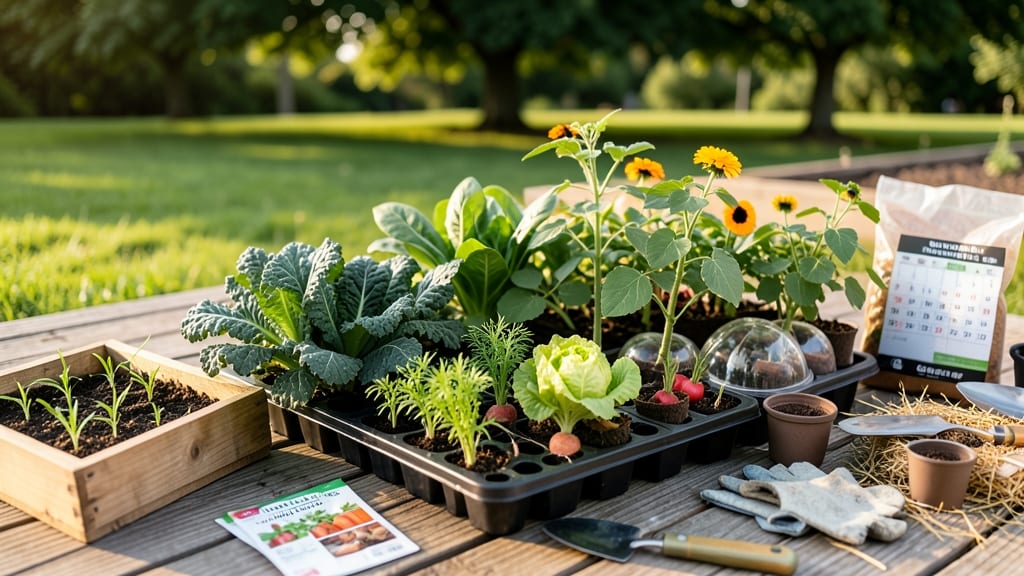
Planting a vegetable garden in Ontario at the right time means the difference between a bountiful harvest and a sad pile of frozen seedlings.
Ontario’s unpredictable frost dates can turn a gardener’s excitement into frustration—unless you know the exact timing for each crop. Plant too early, and your seedlings freeze; too late, and pests or heat ruin your harvest.
This guide breaks down Ontario’s frost zones, from Toronto’s late-May averages to Ottawa’s earlier early-May windows, so you can align your planting with local conditions.
You’ll learn which crops thrive in spring’s cool soil, how to stretch the season with row covers, and the month-by-month checklist to keep your garden on track.
Ontario’s frost dates by region: critical planting windows for vegetables
Ontario’s diverse climate means frost dates vary wildly—from late May in southern regions like London to mid-June in northern areas like Sault Ste. Marie. These differences determine whether your tomatoes or peppers thrive or wither.
Understanding your local last spring frost and first fall frost is the key to unlocking a bountiful harvest.
For example, gardeners in Toronto (Zone 6a-6b) can start warm-season crops like cucumbers after May 15, while those in Ottawa (Zone 5a-5b) should wait until June 1.
Cool-season crops like spinach and kale, however, can handle light frosts and often do best when planted 4-6 weeks before your last frost date.
Below is a region-by-region breakdown of Ontario’s frost dates, complete with planting windows for both cool-season and warm-season vegetables. Use this as your guide to avoid the heartbreak of frost-nipped seedlings or bolted greens.
| Region | Last Spring Frost | First Fall Frost | Cool-Season Planting Window | Warm-Season Planting Window |
|---|---|---|---|---|
| Toronto (Zone 6a-6b) | May 15 | October 1 | March 15 - April 30 | May 15 - June 15 |
| Ottawa (Zone 5a-5b) | May 25 | September 20 | March 1 - April 15 | June 1 - June 20 |
| London (Zone 6a) | May 10 | October 5 | March 10 - April 25 | May 10 - June 10 |
| Sault Ste. Marie (Zone 4b) | June 1 | September 10 | April 1 - May 10 | June 15 - July 1 |
| Thunder Bay (Zone 4a) | June 5 | September 5 | April 15 - May 5 | June 20 - July 5 |
To get hyper-localized frost dates for your specific postal code, use the Ontario Frost Date Calculator (link below). Simply enter your location, and it’ll generate a personalized planting schedule tailored to your microclimate.
This tool accounts for elevation, nearby water bodies, and urban heat islands that can shift frost dates by 1-2 weeks.
For cool-season crops like lettuce, radishes, and peas, aim to plant them 4-6 weeks before your last frost date. These hardy veggies can tolerate light frosts and may even taste sweeter after a light freeze.
In contrast, warm-season crops like tomatoes, peppers, and squash need soil temperatures above 10°C (50°F) and should only go into the ground after your last frost date.
Pro tip: Use row covers or cold frames to extend your planting window by 2-3 weeks in spring or fall. This is especially useful in shorter-season zones like Thunder Bay or Sault Ste.
Marie, where the growing season is compressed. For instance, you can start spinach under a row cover in early April, even if the frost date isn’t past until June.
If you’re unsure about your local frost dates, check with your local agricultural extension office
Best vegetables to plant in Ontario by month: a month-by-month survival guide
Ontario’s growing season is short but sweet—if you time it right. Cool-season crops like peas and spinach thrive in spring’s chill, while warm-season favorites such as tomatoes and peppers need summer’s heat. Missing the window by even a week can mean stunted growth or disease.
Below, I’ve broken down the best vegetables to plant each month, including heirloom varieties that perform exceptionally well in Ontario’s climate.
For example, early April is prime for cold-hardy crops like kale and radishes, while mid-June is the sweet spot for tomatoes and bell peppers. The key? Soil temperature and frost dates—I’ll guide you through both. Let’s dive into your month-by-month planting calendar.
Timing isn’t just about avoiding frost—it’s also about disease prevention. For instance, planting tomatoes in June (when soil is warm) reduces the risk of blossom-end rot, a common issue in cooler soils.
Similarly, late-summer crops like kale and carrots benefit from Ontario’s crisp fall air, which sweetens their flavor and hardens their texture for storage.
Pro tip: Use row covers to extend planting windows by 2-3 weeks in spring or fall. They protect seedlings from late frosts while still allowing sunlight and water through.
For example, I’ve successfully grown spinach in May under a lightweight cover when the forecast called for a 5°C dip—the cover made all the difference.
Don’t forget about succession planting! Crops like radishes and bush beans mature quickly (30-50 days), so sow new batches every 2 weeks to ensure a continuous harvest. This tactic maximizes your garden’s productivity, especially in Ontario’s short season.
For instance, I plant radishes every 10 days from April to July—it’s a foolproof way to avoid gluts and gaps.
Finally, keep an eye on Ontario’s frost dates. The last spring frost typically occurs between mid-May and early June, depending on your region, while the first fall frost hits between mid-September and early October.
Adjust your planting schedule accordingly—some crops, like cabbage, can tolerate light frosts, while others, like peppers, will bolt or rot if exposed to cold.