
Planting
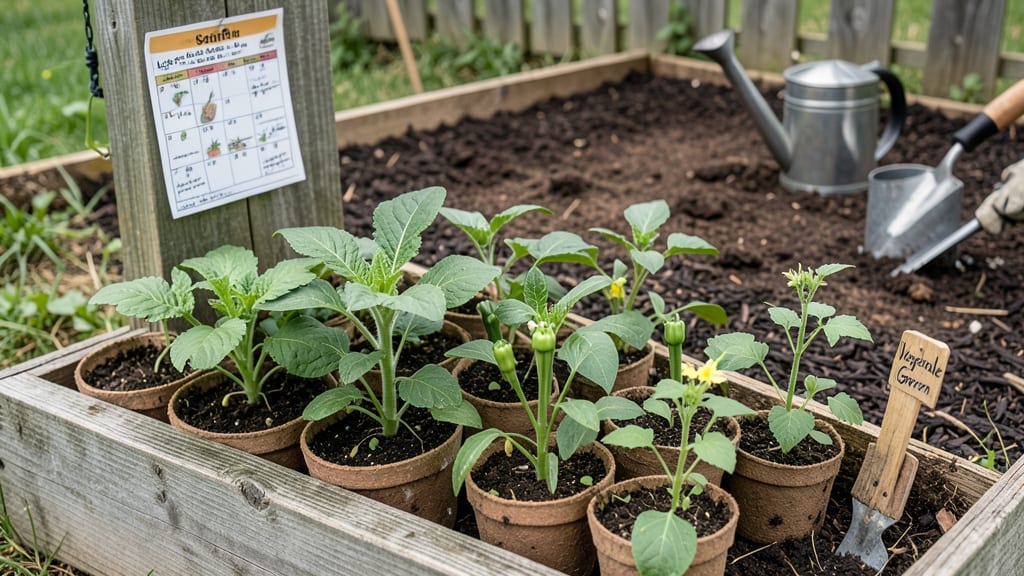
Planting your vegetable garden in Oklahoma at the right time means the difference between a thriving harvest and a total loss.
Oklahoma’s unpredictable weather can make or break your vegetable garden—planting at the wrong time risks frost damage or stunted growth, while timing it perfectly ensures a bountiful harvest 🌱. Whether you're in the panhandle or eastern Oklahoma, knowing your last-frost dates is the key to success.
Cool-season crops like lettuce and peas need to go in early, while tomatoes and peppers thrive when the soil warms up. But with USDA Zones 6b–8a across the state, the exact timing varies—and getting it wrong can mean wasted seeds or slow-growing plants.
Below, I’ll break down the best planting windows by zone, crop type, and season, plus tips to adjust for Oklahoma’s microclimates. Ready to start your garden on the right foot?
Oklahoma’s last-frost dates by Zone: critical planting windows for vegetables
Oklahoma spans USDA Zones 6a through 7b, with last-frost dates varying by 10-14 days between northern and southern regions. In Zone 6a (northwest Oklahoma), the average last frost occurs around April 15-20, while Zone 7b (southeastern Oklahoma) typically sees its last frost by March 25-April 5.
These dates mark your critical planting windows for cool-season crops, but warm-season vegetables require even more precision.
Understanding your local frost dates is essential because planting too early risks frost damage, while waiting too long can shorten your growing season. For example, spinach and lettuce thrive when soil temperatures reach 40-50°F, while tomatoes and peppers need soil at 60°F or warmer to prevent stunted growth.
Let’s break down the exact deadlines for each zone and crop type.
Pro Tip: Use a frost-free date calculator like the National Oceanic and Atmospheric Administration (NOAA) tool to refine your local timeline. Oklahoma’s panhandle regions often experience later frosts than the Arkansas border, so adjust accordingly.
For cool-season vegetables like kale, broccoli, and peas, start seeds indoors 4-6 weeks before your last frost date. In Zone 6a, this means beginning seed starting by March 1, while Zone 7b gardeners can start as early as February 15.
Direct sowing for these crops should happen 2-3 weeks before last frost to ensure they establish roots before warmer weather arrives.
Warm-season crops like tomatoes, peppers, and cucumbers are far more sensitive to timing. These plants cannot tolerate frost and require soil temperatures above 60°F. In Zone 6a, wait until May 10-15 to transplant seedlings, while Zone 7b gardeners can start transplanting by April 25.
Always use a soil thermometer to confirm readiness.
Fall planting is another critical window, especially for cool-season crops like spinach and radishes. In Zone 6a, aim to plant by August 15 to harvest before the first frost (typically November 15-20).
In Zone 7b, extend your window until September 15 for a later harvest. Succession planting every 2-3 weeks ensures a continuous harvest.
Oklahoma’s unpredictable weather patterns mean you should always have row covers or cold frames on hand for late-season protection. Even in Zone 7b, a late frost can occur in March or November, so monitor forecasts closely. Starting seeds
Best vegetables to plant in Oklahoma by season: a month-by-month guide
Oklahoma’s variable climate means your vegetable garden thrives when you align planting with the seasons. Cool-season crops like broccoli and spinach love early springs and crisp fall days, while tomatoes and peppers demand summer’s heat.
Timing is everything—plant too early, and frost zaps tender seedlings; too late, and heat stress stunts growth. Below, I’ll break down the best crops for each month, from February’s cool starts to September’s summer bounty, plus how to pair frost-tolerant and heat-sensitive varieties for year-round harvests.
For Oklahoma’s USDA Zones 6b–8a, I’ve tailored this guide to match average last-frost dates (mid-March in northern zones, late February in southern areas). Use these windows as a baseline, but always check your local frost-free date—Oklahoma’s weather can shift unpredictably.
For example, cold-hardy kale can handle light frosts, while basil wilts under 50°F temperatures. Pairing these crops strategically ensures a continuous harvest.
- 1 February–March (Cool-Season Start): Plant peas, spinach, and onions as soon as soil is workable (40°F+). Use row covers for extra frost protection.
- 2 April (Transition Month): Sow lettuce and carrots early; transplant cabbage and broccoli after last frost (typically mid-April in Zone 7a).
- 3 May–June (Warm-Season Peak): Plant tomatoes, peppers, and squash after soil reaches 60°F+. Succession plant beans every 2 weeks for continuous harvests.
- 4 July–August (Heat Management): Focus on heat-tolerant crops like okra and sweet potatoes. Provide afternoon shade for leafy greens to prevent bolting.
- 5 September–October (Fall Revival): Replant cool-season crops like kale and radishes for fall harvests. Use black plastic mulch to warm soil for late spinach plantings.
Pairing frost-tolerant crops with heat-lovers maximizes your garden’s potential. For example, plant broccoli (cool-season) alongside tomatoes (warm-season) in raised beds—broccoli matures early, while tomatoes thrive in summer’s heat.
In Zone 7b, I’ve seen green beans and cucumbers produce abundantly when planted in late May, while lettuce bolts by June if sown too early. Always rotate crops yearly to prevent soil depletion and pests.
Oklahoma’s summer heat (often exceeding 90°F) can stress vegetables, so mulch heavily with straw to retain moisture and cool roots. For fall gardens, start seeds indoors in August for cabbage and brussels sprouts**, transplanting outdoors in September.
This “overlapping” strategy ensures you’re always harvesting something—whether it’s early spring peas or late-fall kale. Don’t forget to save seeds from your healthiest plants for next year!
Pro tip: Use a planting calendar app like Gardenate or Farmers’ Almanac to track local frost dates and adjust timings. In my Zone 7a garden, I’ve had success with succession planting every 10–14 days for bush beans and radishes, ensuring a steady supply.
With these seasonal pairings, you’ll turn Oklahoma’s climate challenges into a year-round harvest advantage.