
Planting
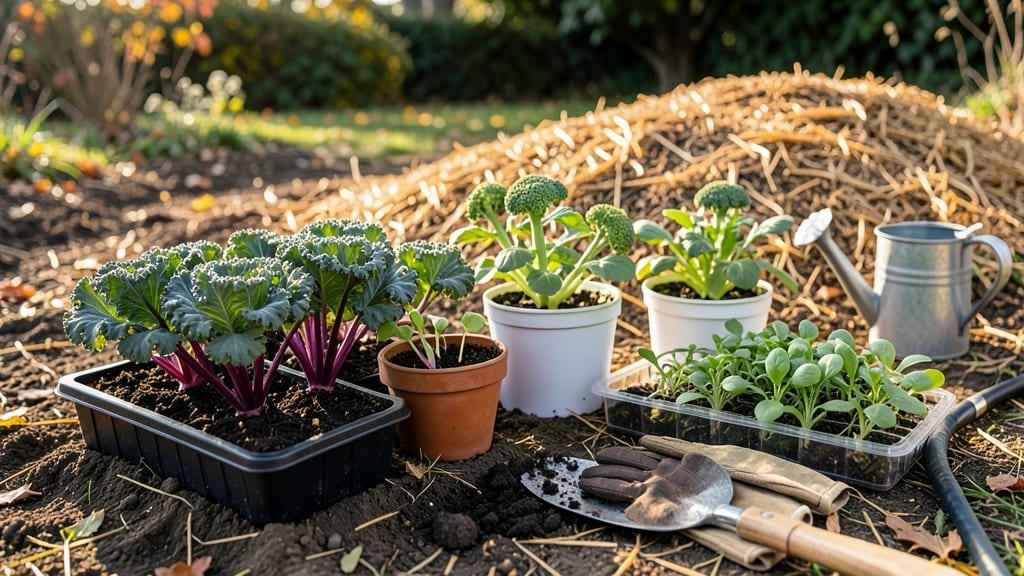
To plant a fall garden in Central Texas, aim for mid-August to mid-October — timing that balances heat tolerance and frost readiness for 🌱 thriving crops.
Central Texas gardeners know timing is everything—plant too early, and your fall crops face scorching heat; too late, and frost ruins your harvest. Mastering the exact planting windows for your region ensures a thriving garden from September to December.
This isn’t just about avoiding frost—it’s about giving plants the 4-6 weeks they need to mature before temperatures drop. Whether you’re growing heat-loving tomatoes or cold-hardy greens, the right schedule makes all the difference.
Below, I’ll break down the best planting dates by crop type, soil prep tips, and how to protect your garden from unexpected early frosts in USDA Zones 8a-8b.
Central Texas fall planting calendar: exact dates by crop type
Central Texas gardeners face a unique challenge: balancing scorching summer heat with early fall frosts. The key to success lies in understanding your USDA Zone 8a/b planting windows, which vary slightly between Austin, San Antonio, and Waco.
For example, Austin's first frost typically arrives around November 15, while Waco may see frost as early as October 30. Timing your plantings correctly ensures a continuous harvest from September through December.
Your fall garden should focus on three crop categories: heat-tolerant warm-season crops, cool-season vegetables, and frost-hardy greens.
Warm-season crops like tomatoes and peppers need to be planted 6-8 weeks before first frost, while cool-season crops such as broccoli and carrots thrive when sown 4-6 weeks before frost.
Frost-hardy crops like spinach and kale can handle light frosts and should be planted 2-4 weeks before frost for a late-season harvest.
Here's your region-specific planting calendar for Central Texas:
For heat-tolerant crops like tomatoes and peppers, start seeds indoors 6-8 weeks before your target transplant date. In Central Texas, this means beginning seeds around July 15 for Austin and July 1 for Waco.
Transplant seedlings outdoors when nighttime temperatures consistently stay below 85°F. Use row covers to protect young plants from unexpected late-summer heat waves.
Cool-season crops like broccoli and carrots should be direct-sown after September 1 in Austin. These crops prefer soil temperatures between 60-75°F, so avoid planting when daytime highs exceed 90°F.
For faster germination, soak seeds overnight and use seedling heat mats if starting indoors. In San Antonio, where heat lingers longer, delay planting until August 25 to avoid bolting.
Frost-hardy crops deserve special attention in Central Texas. Spinach and kale can handle light frosts down to 28°F, making them ideal for late fall plantings. Sow these crops 4-6 weeks before your average first frost date.
In Waco, this means planting by October 15, while Austin gardeners have until November 1. Use cold frames to extend harvests into December for tender greens.
Don't forget about succession planting—this technique ensures a continuous harvest. For example, plant radishes every 2 weeks from September through October. Radishes mature in just 25-30 days, making them perfect for quick turnarounds.
Similarly, sow lettuce varieties with different maturity dates (e.g., 'Black Seeded Simpson' for early harvests and 'Winter Density' for late-season production).
Monitor your local frost forecasts using
How to adjust planting dates for Central Texas heat waves and early frost
Central Texas summers can linger into October, making late summer heat a major challenge for fall gardens. Meanwhile, early frost risks appear by mid-November in most areas. The key to success? Adjusting your planting timeline based on microclimates and protective strategies that extend your growing season naturally.
Urban gardeners in Austin or San Antonio face different challenges than rural areas near Waco. Concrete absorbs heat, creating urban heat islands that delay cooling—sometimes by 2-3 weeks—while open fields cool faster.
Understanding these differences lets you plant with confidence, whether you're growing heat-tolerant tomatoes or frost-hardy kale varieties.
⚠️ WARNING: Common Mistakes That Wreck Fall Gardens
⚠️ Skipping soil warming in August delays planting by 2-4 weeks—critical for fast-growing crops like bush beans or radishes. ⚠️ Using row covers incorrectly traps too much heat, cooking tender greens like spinach or lettuce.
Pro Tip: Test your microclimate by monitoring soil temps with a soil thermometer—ideal planting temps are 60-75°F for most fall crops.
Start by warming your soil in late July or early August. Lay down black plastic mulch or use straw bales to raise soil temps by 10-15°F. This trick lets you plant heat-loving crops like peppers or eggplants up to 2 weeks earlier than usual.
For cooler crops, remove mulch 2 weeks before planting to let soil cool naturally.
Row covers are your secret weapon against early frost. Lightweight floating row covers add 2-4°F protection and can push back frost by 10-14 days. For extra insurance, combine them with cold frames or low tunnels.
Just remember: ventilate during the day to prevent overheating—even in Central Texas fall, temps can spike unexpectedly.
Urban gardeners should prioritize south-facing beds or rooftop gardens with afternoon shade. These spots stay 5-10°F warmer than north-facing areas, giving you 2 extra weeks for warm-season crops.
Rural gardeners, meanwhile, can take advantage of nighttime cooling by planting near trees or windbreaks—these create microclimates that delay frost by 5-7 days.
Adjust your planting dates based on crop sensitivity:
- Heat-tolerant crops (tomatoes, peppers): Plant mid-August to early September.
- Moderate crops (beans, cucumbers): Plant late August to mid-September.
- Cool-season crops (kale, carrots): Plant mid-September to early October.
With these adjustments, you’ll beat the heat and outsmart frost, turning Central Texas’s unpredictable fall into your most productive growing season yet. Happy planting! 🌱