
Planting
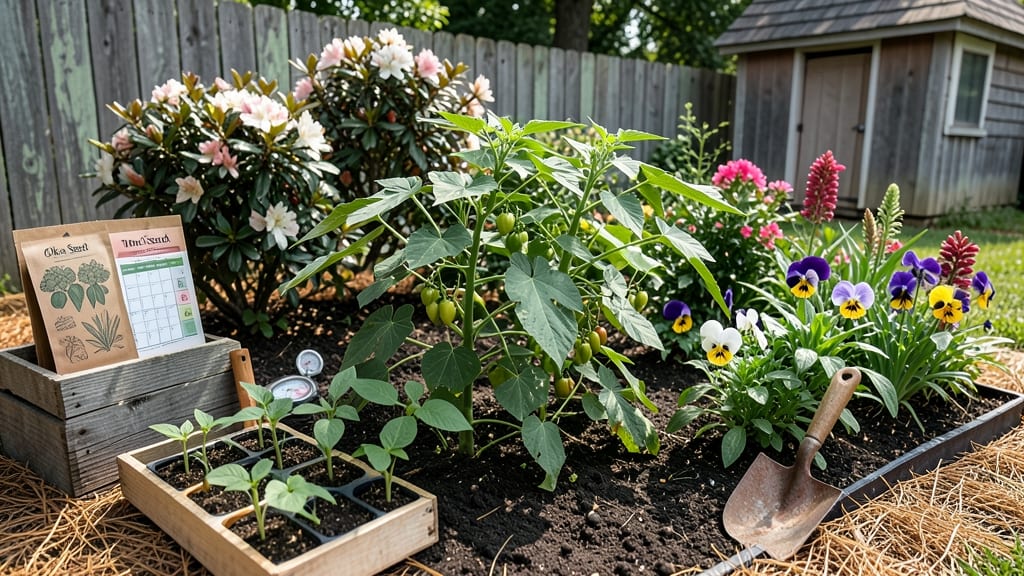
Planting a garden in Alabama at the right time means the difference between a bountiful harvest and a sad pile of wilting seedlings.
Alabama’s warm climate and long growing season make it one of the best places in the U.S. for gardening—but planting at the wrong time can mean wilted dreams instead of thriving harvests.
Timing your garden correctly ensures stronger plants, higher yields, and fewer pests, whether you're growing tomatoes, peppers, or cool-season greens.
For Alabama’s 7a-8b zones, the best window for cool-season crops like lettuce and broccoli is late February to early April, while warm-season favorites such as peppers and squash thrive when planted after the last frost, around mid-March.
But regional differences matter: North Alabama’s cooler springs may delay planting by a few weeks compared to the south.
Below, I break down the ideal months for every crop, how to adjust for your microclimate, and the one mistake that ruins more Alabama gardens than any other—so you can start planting with confidence.
Alabama planting calendar: best months for vegetables, herbs, and flowers
Alabama gardeners enjoy a long growing season with 200+ frost-free days in most areas, but knowing exact planting windows is key. The state’s USDA zones 7a-8b mean warm-season crops thrive in summer while cool-season veggies prefer spring and fall.
Let’s break down the best months for each category to maximize your harvest.
For warm-season crops like tomatoes and peppers, wait until after the last frost date (typically March 15 in North Alabama, earlier in the south). Cool-season crops such as lettuce and broccoli should go in 4-6 weeks before that date. Perennial flowers like lavender and black-eyed Susans can handle Alabama’s heat once established, but timing their planting matters too.
🌱
| Month | Warm-Season Crops | Cool-Season Crops | Perennial Flowers |
|---|---|---|---|
| February | Start indoor seeds for tomatoes, peppers | Plant onion sets, spinach | Prune dormant perennials |
| March | Transplant tomato/pepper starts after last frost | Direct sow lettuce, broccoli, carrots | Plant spring-blooming perennials (e.g., coreopsis) |
| April | Direct sow beans, squash, cucumbers | Harvest cool-season crops before heat | Deadhead finished spring blooms |
| May | Plant okra, sweet potatoes, melons | Avoid planting cool-season crops | Mulch established perennials for summer |
| August | Start fall tomato/pepper seeds indoors | Direct sow spinach, kale, radishes | Divide overcrowded perennials |
| September | Plant fall squash, beans, collards | Transplant cabbage, Brussels sprouts | Plant fall-blooming perennials (e.g., chrysanthemums) |
| October | Harvest warm-season crops before frost | Plant garlic, cover crops for winter | Cut back ann
How Alabama’s microclimates affect your planting scheduleAlabama’s diverse landscapes—from the Appalachian foothills in the north to the Gulf Coast in the south—create distinct microclimates that can shift your planting schedule by weeks. In North Alabama (USDA zones 6b-7a), cooler springs and earlier frosts mean you’ll plant cool-season crops like broccoli and spinach 2-3 weeks earlier than in South Alabama (zones 7b-8b), where humidity and heat arrive sooner. Even within cities like Birmingham, urban heat islands can make soil warm up 1-2 weeks faster than rural areas. Elevation plays a huge role too. Highland areas like DeKalb County (1,000+ feet) may see last frosts in mid-April, while coastal zones like Mobile often hit 80°F by March. This means your tomato seeds might go in the ground in late April up north but could start in early March near the coast. Don’t forget: humidity levels also vary—coastal gardens battle more fungal diseases, while inland areas dry out faster in summer. 🌱 Comparison Table: Alabama Microclimates & Planting Adjustments For urban gardeners, pavement and buildings create microclimates where soil warms up 3-5°F faster than rural areas. If you’re in a downtown Birmingham garden, start warm-season crops like squash 1-2 weeks earlier than suburban neighbors. Meanwhile, highland areas like Madison County (elevation 600-1,000 ft) may need hardier varieties of tomatoes to survive cooler nights. Coastal gardens, however, face higher humidity—opt for disease-resistant cucumber varieties and space plants wider to improve airflow. Pro tip: Check the Alabama Cooperative Extension frost maps for your exact county, as local topography can shift frost dates by 10 days or more. If you’re unsure, err on the side of late planting for warm-season crops—Alabama’s summers are long enough to recover from a delayed start. For fall planting, aim to get seeds in the ground by mid-August in the north and early September in the south to ensure harvests before first frost. Don’t let Alabama’s microclimates catch you off guard. A few simple adjustments—like choosing the right planting dates, selecting heat-tolerant varieties, and monitoring local weather—can turn your garden from struggling to thriving, no matter where you live in the state. Start with your region’s last frost date, then tweak based on elevation and urban heat effects. Your tomatoes, peppers, and greens will thank you! 🌿 |