
Planting
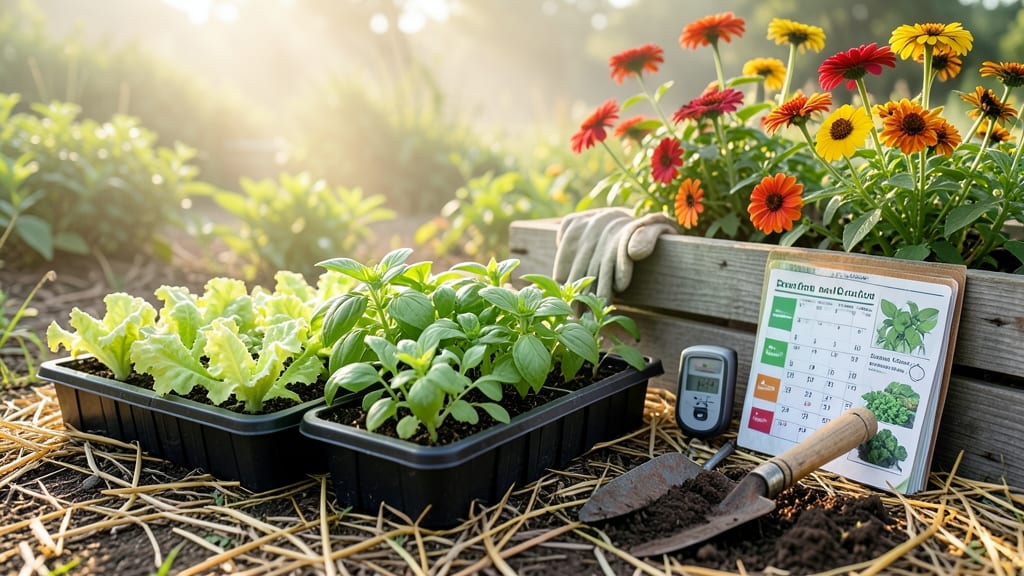
Planting your garden in Georgia at the right time means the difference between a thriving harvest and wasted effort, especially in USDA Zones 7a and 8a.
Georgia’s warm climate and long growing season make it a gardener’s paradise—but planting too early or late can mean the difference between a bountiful harvest and wasted seeds.
Timing is everything, especially in USDA Zones 7a and 8a, where frost dates shift dramatically between North Georgia’s mountains and the state’s southern plains.
Cool-season crops like lettuce and peas need to hit the soil 4-6 weeks before your last frost, while tomatoes and peppers should wait until 2-3 weeks after the danger of frost has passed. Missing these windows can leave you with stunted plants or no harvest at all.
In this guide, I’ll break down the exact planting deadlines for your region, plus soil prep tips and seasonal adjustments to maximize your General Garden Plants (Georgia) 🌱 yields year after year.
Georgia planting calendar by USDA Zone 7a vs 8a: frost dates and key deadlines
Understanding Georgia’s USDA Zones 7a and 8a is critical for successful gardening. These zones define the last frost dates and first frost risks, which directly impact when you can plant cool-season crops like lettuce and warm-season crops like tomatoes.
Zone 7a (North Georgia) typically experiences its last frost around March 15, while Zone 8a (South Georgia) sees frost-free conditions until mid-November. These differences mean your planting windows vary by 6-8 weeks depending on location.
For gardeners in metro Atlanta (Zone 7a), the average first frost arrives around November 15, while Savannah (Zone 8a) may not see frost until December 15.
Rural areas in North Georgia can experience earlier frosts due to higher elevations, so always check local frost date averages for your specific microclimate. This variation means cool-season crops like broccoli and warm-season crops like peppers must be timed precisely to avoid frost damage.
Cool-season crops should be sown 4-6 weeks before your last frost date. In Zone 7a, this means starting seeds indoors in late January for outdoor planting by mid-March. Zone 8a gardeners have until early April to plant these crops. Conversely, warm-season crops like cucumbers and beans need to wait until 2-3 weeks after the last frost, which in Zone 7a is around April 15 and in Zone 8a extends to mid-April.
| Planting Window | Zone 7a (North GA) | Zone 8a (South GA) | Key Deadlines |
|---|---|---|---|
| Cool-Season Crops | Late Jan - Mid Mar | Early Feb - Early Apr | Last frost: Mar 15 |
| Warm-Season Crops | Mid Apr - Early May | Late Mar - Mid Apr | First frost risk: Nov 15 |
| Fall Planting | Late Jul - Early Sep | Early Aug - Late Sep | First frost: Nov 15-25 |
| Succession Planting | Every 2-3 weeks | Every 3-4 weeks | Extend harvests until first frost |
In Zone 7a, gardeners should prioritize early spring planting of cool-season crops like spinach and kale, as temperatures can drop suddenly after March 15. For Zone 8a, the extended growing season allows for two full harvests of warm-season crops like okra and sweet potatoes.
However, even in Zone 8a, late-season frosts can occur in November, so always have row covers ready to protect tender plants.
For metro Atlanta gardeners, the last frost date can vary by 1-2 weeks depending on elevation. Areas like Dahlonega (Zone 7a) may see frost as early as March 1, while Lawrenceville (Zone 7b) typically holds off until March 15.
This microclimate variation means local frost charts from the University of Georgia Extension are invaluable for precise timing.
One of the biggest mistakes Georgia gardeners make is planting warm-season crops too early. Seeds like tomato and pepper will rot in cold soil, even if air temperatures are mild. To avoid this, wait until soil temps reach 60°F (15°C)—a simple soil thermometer can help track this.
In Zone 7a, this usually aligns with mid-April, while Zone 8a can start as early as late March.
For fall planting, aim to sow cool-season crops like radishes and turnips by late July in Zone 7a and early August in Zone 8a. These crops mature quickly and can be harvested before the first frost.
In Savannah (Zone 8a), gardeners can even plant spinach and lettuce in October for a winter harvest, thanks to the milder climate.
Succession planting is a game-changer in Georgia’s climate. By staggering plantings every 2-3 weeks, you can ensure a continuous harvest of crops like bush beans and zucchini.
In Zone 7a, this means your last planting should wrap up by mid-July to avoid fall frosts, while Zone 8a gardeners can extend this to early August. This strategy maximizes your garden’s productivity and reduces waste.
Always monitor local weather forecasts and use frost-free date calculators from trusted sources like the National Weather Service or UGA Extension. These tools provide real-time
Best vegetables to plant in Georgia by season: what thrives when and where
Georgia’s long growing season and varied microclimates mean you can grow almost year-round, but timing matters. Cool-season crops like lettuce and broccoli thrive in spring and fall, while warm-season favorites such as tomatoes and peppers need hot summer sun.
The key is matching each vegetable to its ideal planting window and adjusting for your USDA zone—whether you're in Zone 7a's cooler mountains or Zone 8a's warmer coastal plains.
Before planting, amend your soil with compost to improve drainage, especially in Georgia’s clay-heavy soils.
Most vegetables prefer 6-8 hours of sunlight, but some, like leafy greens, tolerate partial shade. Water deeply in the morning to prevent fungal diseases, and mulch heavily to retain moisture during humid summers.
Let’s break down the best crops for each season and how to maximize your harvest.
For spring planting, start cool-season crops like lettuce and peas 4–6 weeks before your last frost date. In Zone 7a, this is typically mid-February to early April, while Zone 8a gardeners can begin as early as January.
Use row covers to protect tender seedlings from late frosts. Direct-sow fast growers like radishes and carrots, but transplant broccoli and cabbage for stronger starts.
Summer is the time for heat-loving vegetables.
Plant tomatoes and peppers 2–3 weeks after your last frost—usually mid-April in Zone 7a and early March in Zone 8a. Okra and Southern peas thrive in Georgia’s humid summers and can handle 90°F+ temperatures better than most crops. Stake or cage tomatoes early to prevent disease from overhead watering, and mulch heavily to keep roots cool.
Fall planting in Georgia offers a second harvest opportunity before winter. Squash and pumpkins love the warm soil of late summer, so plant them July–August in Zone 8a or August–September in Zone 7a. Brassicas like kale and collards actually sweeten in cold weather, making them perfect for fall and winter