
Planting
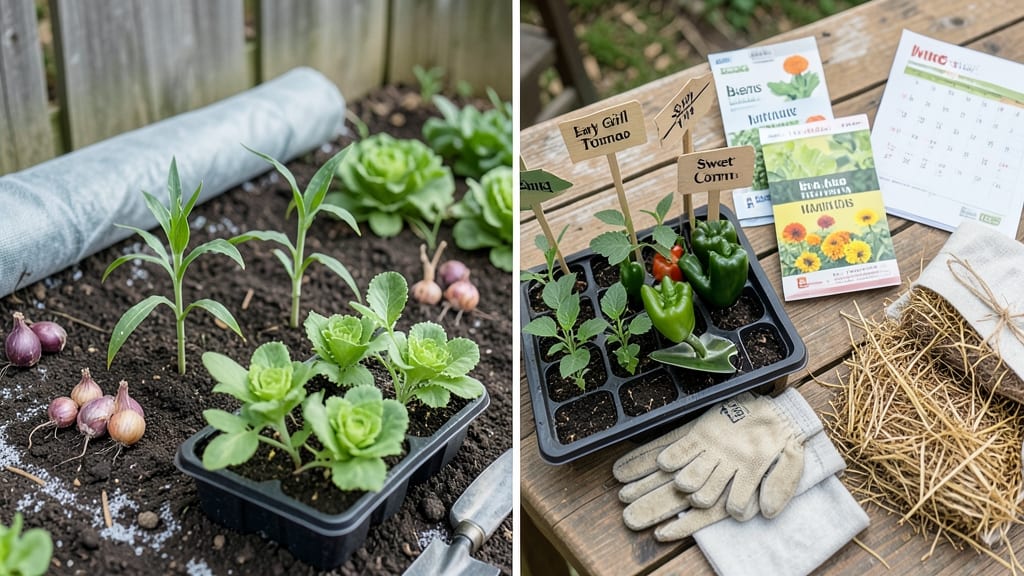
Planting your garden in Iowa at the right time means catching that narrow window between frost and heat—miss it, and your 🌱 General Garden Plants could end up stunted or bolting before harvest.
Iowa’s Zone 5a climate throws a curveball with its unpredictable springs, where a late frost can turn a thriving seedling into a sad, frozen snack in one night.
But timing isn’t just about avoiding frost—it’s about syncing your planting with soil warmth, daylight hours, and even Iowa’s infamous summer humidity.
Cool-season crops like peas and spinach can go in as early as mid-April, while tomatoes and peppers need to wait until after the last frost—usually mid-May—when soil temps hit 60°F.
Fall planting for kale and carrots starts in late July, giving them time to mature before the first frost in October.
Below, I’ll break down the exact frost-free dates by crop, soil prep tricks to speed up warming, and how to stretch your growing season when Iowa’s weather plays hard to get.
Iowa’s frost-free dates by month: critical planting windows for Zone 5a
Understanding Iowa’s frost-free dates is your secret weapon for a thriving garden. In Zone 5a, the last spring frost typically arrives between April 15 and May 15, while the first fall frost hits October 1–15.
These dates create a 165-day growing season—your golden window for planting everything from cool-season veggies to heat-loving tomatoes. Missing these windows means risking frost damage or stunted growth.
For cool-season crops like spinach, peas, and kale, you can start seeds indoors in March and transplant after the last frost. Meanwhile, warm-season plants such as peppers, cucumbers, and squash need to wait until soil temperatures hit 60°F, usually by mid-May.
Iowa’s unpredictable weather makes these dates flexible—always check your local USDA frost maps or use a frost calendar for your specific county.
🌱
| Crop Type | Planting Window | Soil Temp Requirement | Frost Risk | Iowa-Specific Tip |
|---|---|---|---|---|
| Cool-Season Crops | Early March–April (indoors), April 15–May 15 (outdoors) | 45–50°F | High before April 15 | Use row covers for late spring plantings. |
| Warm-Season Crops | May 15–June 15 (after last frost) | 60°F+ | None after May 15 (usually) | Test soil temp with a thermometer. |
| Fall Crops (Cool-Season) | July 15–August 15 (for harvest before frost) | 50°F+ | High after October 1 | Plant heat-tolerant varieties like Swiss chard. |
| Perennials & Flowers | April–May or September (fall planting) | 50°F+ | Moderate in spring/fall | Mulch heavily for winter protection. |
| Herbs (Hardy Types) | April 1–May 15 (outdoors) | 45°F+ | Low after May 15 | Parsley and chives survive light frosts. |
Iowa’s variable weather patterns mean you should always have a backup plan. For example, if you’re planting tomatoes in early May and a late frost hits, cover seedlings with a frost blanket or move pots to a sheltered spot.
Similarly, fall planting of garlic or onions should happen by late September to ensure they establish roots before winter.
Pro tip: Use succession planting to extend your harvest. After pulling early radishes or lettuce in June, replant with bush beans or zucchini to fill the gap. This strategy maximizes your 165 frost-free days and reduces waste.
Just be sure to monitor soil moisture—Iowa’s summer droughts can stress young plants if not watered deeply.
Don’t overlook microclimates in your garden. A south-facing wall or urban heat island can create pockets where warm-season crops thrive 2–3 weeks earlier than the average frost date. Test these spots by planting heat-loving basil in early May—if it survives, you’ve found a prime microclimate for peppers and eggplants.
For container gardening, remember that pots warm up faster than soil and can be planted 1–2 weeks earlier than in-ground crops. Fill containers with heat-retentive materials like coconut coir and use dark-colored pots to absorb sunlight.
This trick is especially useful for herbs like basil and cilantro, which bolt in Iowa’s heat.
If you’re new to Iowa gardening, start with hardy cool-season crops like kale, carrots, and peas—they’re forgiving if planted slightly late. For warm-season staples, wait until after Memorial Day (around May 25) to ensure safety.
Keep a garden journal to track your frost dates year after year, as Iowa’s climate shifts with long-term weather patterns.
Finally, don’t forget that fall planting is just as critical as spring. Broccoli, cabbage, and spinach planted in August can yield harvests well into November, even after the first frost. Just
Best crops to plant in Iowa by season: spring, summer, and fall planting guide
Iowa’s Zone 5a climate offers a 165-day growing season, but timing is everything. Cool-season crops thrive in early spring and fall, while warm-season plants need late spring warmth. Missing these windows means stunted growth or wasted seeds—don’t let that happen to your garden!
Start with cool-season crops like onions and peas as soon as soil is workable (mid-April). Then transition to tomatoes and peppers after the last frost (mid-May). Summer brings beans and cucumbers, while fall rewards you with kale and carrots before frost.
-
Early Spring (March–April)
🌱Plant onions, peas, and spinach 4–6 weeks before last frost (mid-April). Soil temps should reach 40°F+.
-
Late Spring (May–June)
☀️Warm-season crops like tomatoes, peppers, and corn go in after last frost (mid-May) when soil hits 60°F+.
-
Summer (July–August)
🌿Sow beans, cucumbers, and squash for peak harvests. Succession plant every 2 weeks for continuous yields.
-
Fall (September–October)
🌱Cool again? Plant kale, carrots, and radishes 8–10 weeks before first frost (early October).
For warm-season crops, wait until soil is 60°F+—test with a soil thermometer to avoid shock. In late summer, switch to fast-maturing varieties like bush beans to harvest before frost.
Fall planting is your second chance! Leafy greens and root vegetables thrive in cooler temps. Just aim for harvests 4–6 weeks before the first frost (October 15). Mulch heavily to protect roots.
Iowa’s variable weather means flexibility. Monitor forecasts and adjust planting dates—don’t let a late frost ruin your hard work. With these timelines, you’ll enjoy a bountiful harvest from spring to fall!