
Planting
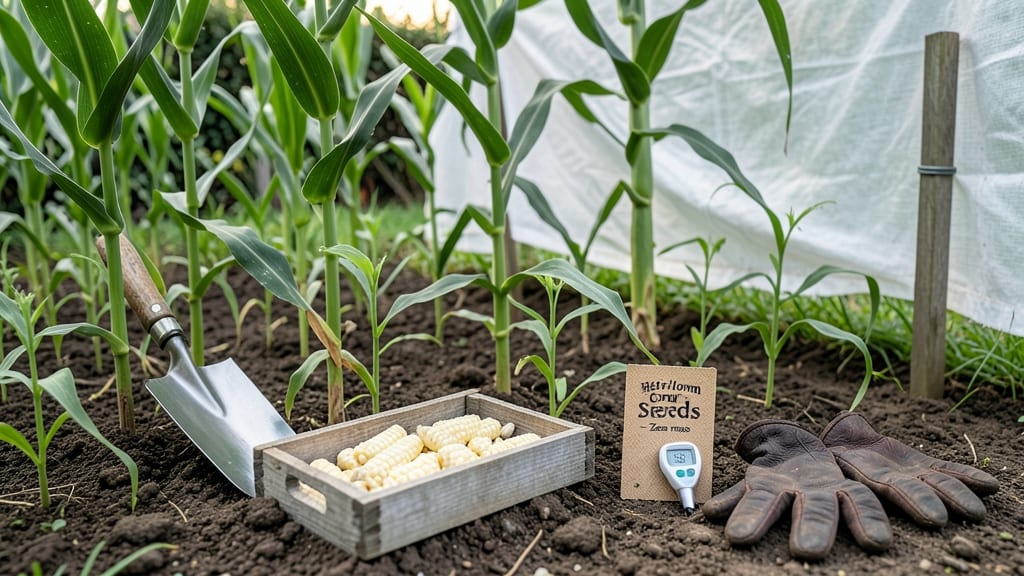
Planting a vegetable garden in Iowa at the right time means the difference between a bountiful harvest and a sad, wilted mess.
Iowa’s unpredictable frost dates can make or break your vegetable garden—plant too early and risk losing tender seedlings, too late and miss peak harvests. But with the right timing, you can grow thriving tomatoes, corn, and more year after year.
Most of Iowa falls in USDA Zones 4-5, where the average last frost arrives between mid-April and early May, depending on your county.
That window is your golden opportunity to start warm-season crops like peppers and cucumbers, while cool-season veggies like peas and spinach can go in as early as March.
In this guide, I’ll break down the exact frost-free dates by region, share tips for adjusting to Iowa’s weather quirks, and show you which vegetables to plant in spring vs. fall for maximum yield. Let’s get those seeds in the ground at the perfect moment!
Iowa’s frost-free dates by county: the exact timing for planting vegetables
Knowing Iowa’s frost-free dates by county is the key to unlocking a bountiful vegetable garden. The last average frost date determines when you can safely plant warm-season crops like tomatoes and peppers, while cool-season crops like peas and lettuce can often go in weeks before.
Iowa spans USDA Zones 4a to 5b, so microclimates matter—urban areas may warm faster than rural zones.
Southern Iowa counties like Appanoose and Muscatine typically see their last frost by April 20th, while northern counties like Lyon and Osceola often wait until May 10th.
These dates shift yearly, so always check local weather forecasts before planting. For seedlings, wait until soil temperatures reach 50°F+ for most vegetables.
Here’s a county-by-county guide to help you time your vegetable planting perfectly for maximum yield:
| County | Avg. Last Frost | Cool-Season Crops | Warm-Season Crops | USDA Zone |
|---|---|---|---|---|
| Adair | April 25 | Peas, Spinach (Mar 15) | Tomatoes, Peppers (May 1) | 5a |
| Allamakee | April 20 | Lettuce, Radishes (Mar 1) | Cucumbers, Squash (Apr 25) | 5a |
| Black Hawk | May 5 | Kale, Carrots (Mar 20) | Corn, Beans (May 15) | 4b |
| Dubuque | April 22 | Onions, Broccoli (Mar 10) | Peppers, Eggplant (May 5) | 5a |
| Polk | April 28 | Spinach, Peas (Mar 25) | Tomatoes, Okra (May 10) | 5b |
| Story | May 2 | Lettuce, Radishes (Mar 15) | Corn, Cucumbers (May 10) | 4b |
| Winneshiek | April 27 | Kale, Cabbage (Mar 10) | Peppers, Tomatoes (May 1) | 4a |
For cool-season crops, start seeds indoors 4-6 weeks before your county’s last frost date. For example, in Polk County (Zone 5b), plant lettuce and peas by March 25th for an early harvest. These crops tolerate light frosts, so don’t wait until the last minute.
Warm-season crops like tomatoes and peppers need consistent warmth—wait until soil temperatures reach 60°F+ and nighttime temps stay above 50°F. In Black Hawk County (Zone 4b), hold off until May 15th to avoid frost damage. Use row covers for extra protection if planting early.
Iowa’s first frost typically arrives between October 10th and October 25th, depending on the county. This is your cue to harvest cool-season crops like kale and carrots before hard frosts set in.
In Appanoose County (Zone 5b), you might squeeze in a fall planting of spinach as late as September 1st for a winter harvest.
Pro tip: Use Iowa State University Extension
How to adjust planting dates for Iowa’s unpredictable weather patterns
Iowa’s variable frost dates can throw off even the most experienced gardeners. While the average last frost typically falls between April 15 and May 15, sudden cold snaps in May or early blooms in April make timing tricky.
The key is flexibility—using historical data as a guide while staying ready to adapt.
Start by checking your local USDA Zone (most of Iowa is 5a/5b) and cross-reference with the Iowa State University Extension’s frost maps. These tools provide 10-year averages for your specific county, but always add a 2-week buffer to account for Iowa’s unpredictable swings.
For example, Des Moines averages a last frost of May 5, but 2020 saw frost as late as May 20.
⚠️ callout-warning ⚠️
Many Iowa gardeners rush to plant tomatoes, peppers, and cucumbers as soon as soil is workable (around April 1). But these tender seedlings can’t survive even light frosts (below 32°F). Wait until nighttime temperatures consistently stay above 50°F—usually mid-May—before transplanting.
Pro Tip:
Use frost cloth or row covers to extend your planting window by 2-4 weeks for early crops like lettuce or spinach.
For cool-season crops like peas, spinach, and kale, you can start as early as mid-March in southern Iowa or late March in the north. These plants thrive in cooler temperatures (down to 25°F) and can even handle light frosts.
Plant them 4-6 weeks before your average last frost date for the earliest harvests.
Extend your growing season with season-extending tools. Cold frames or low tunnels can push spring planting back by 3-4 weeks, while black plastic mulch warms soil faster in spring.
In fall, use row covers to protect broccoli, carrots, or beets from early frosts, allowing you to harvest well into October or November.
Monitor weekly forecasts from the National Weather Service or Iowa Environmental Mesonet in the weeks leading up to planting. If a hard freeze warning (below 28°F) is issued, cover young plants with frost blankets or move potted seedlings indoors.
Even mature plants like corn or beans can suffer damage if temperatures drop below 30°F for more than a few hours.
Choose frost-tolerant varieties to give yourself more wiggle room. For example, ‘Early Girl’ tomatoes are more cold-hardy than heirloom varieties, and ‘Winterbor’ kale survives light frosts better than most.
Local seed companies like Baker Creek Heirloom Seeds or Johnny’s Selected Seeds often label varieties with cold tolerance ratings—prioritize these for Iowa’s climate.