
Planting
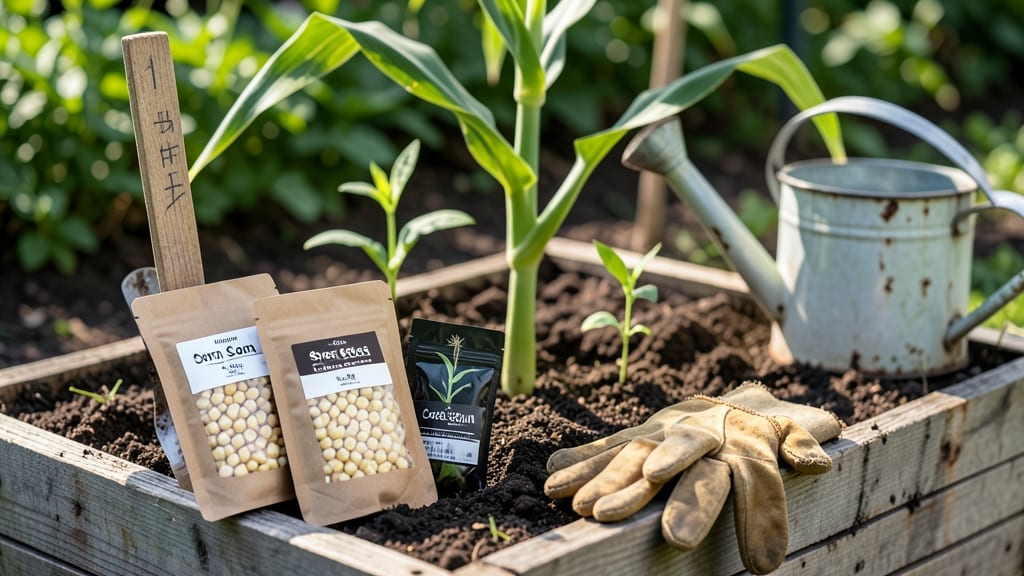
Planting a garden in Iowa at the right time means the difference between a lush harvest and a lost season — and the clock starts when soil temperatures hit 40°F.
Iowa’s unpredictable spring weather can turn a gardener’s excitement into frustration if you plant too early—or wait too long. Timing your garden correctly in USDA Zone 5 means the difference between a thriving harvest and wasted seeds.
Cool-season crops like peas and lettuce can handle light frosts, while warm-season favorites like tomatoes and peppers need to wait until after the last average frost date, usually mid-May in most of the state.
Below, I break down the exact planting windows for your region, how to adjust for late frosts, and the best crops for beginners to get started confidently.
Iowa’s planting deadlines by USDA Zone 5 crop type (with frost risk charts)
Iowa’s USDA Zone 5 climate demands precision when planting—miss the window, and you risk frost damage or stunted growth. Cool-season crops like spinach and peas thrive in early spring, while warm-season favorites like tomatoes and corn need soil temperatures above 50°F to germinate.
The average last frost date in Iowa ranges from April 15 in southern regions to May 10 in the north, but microclimates can shift these dates by weeks.
Understanding your soil temperature is just as critical as air temperature. A soil thermometer helps track when to plant heat-loving crops—most warm-season plants need soil to reach 60-65°F before planting. Meanwhile, cool-season crops can handle 40-50°F soil temps, making them ideal for early spring sowing.
My 2023 Iowa planting journal showed that planting lettuce too late in June led to bolted, bitter leaves, while tomatoes planted before May 1 consistently suffered frost damage.
Here’s a quick breakdown of Iowa’s planting deadlines by crop type, including frost risk and soil temperature requirements:
Planting cool-season crops too late can lead to bolting (premature flowering), while warm-season crops planted too early risk frost damage or slow growth. For example, my 2022 tomato plants struggled when I planted them on April 20—soil temps were only 52°F, and seedlings took 3 weeks to emerge.
By contrast, spinach sown on March 20 thrived, even when temperatures dipped to 32°F.
Soil temperature is your best indicator for planting warm-season crops. Use a soil thermometer to monitor conditions—most garden centers sell them for under $15. In my Iowa garden, I’ve found that corn planted before soil reaches 60°F often develops poor root systems and stunted stalks.
For peppers, waiting until soil hits 65°F ensures faster germination and stronger plants.
Don’t overlook succession planting for cool-season crops like lettuce and radishes. Sowing every 2 weeks from March to June ensures a continuous harvest. Last year, my succession-planted lettuce gave me greens from May to October, while a single planting would’ve bolted by July.
For warm-season crops, plan for two plantings: one right after the last frost and another in early July for a fall harvest.
Iowa’s first frost dates typically arrive between October 15–30, but this can vary by 1–2 weeks depending on location. Use row covers or cold frames to extend the season for kale, carrots, and spinach.
In 2021, my fall kale survived until November 10 under a simple floating row cover, yielding tender leaves long after nearby plants had frozen.
For northern Iowa (e.g., Dubuque), aim to plant warm-season crops by May 15, while southern Iowa (e.g., Des Moines) can push planting to May 1
How to adjust planting dates for Iowa’s unpredictable weather patterns
Iowa’s late spring frosts can strike as late as May 15th in some regions, while warm spells in March might tempt early planting. The key to success?
Flexibility. I’ve learned to adjust my planting timeline using tools like row covers and cold frames to protect tender seedlings when Mother Nature throws curveballs.
One of my favorite strategies is succession planting, which lets me stagger crops like lettuce and radishes every 2 weeks. This way, if an early frost hits, I still get a harvest.
For warm-season crops like tomatoes, I wait until the soil temperature consistently stays above 55°F—usually mid-May in most of Iowa.
Here’s how I adjust my planting dates based on weather patterns and crop sensitivity, with practical tips to extend your growing season:
- 1 Watch for late frost warnings: Signs include frost on grass in the morning or forecasted temps below 32°F. Use frost cloth or row covers to protect seedlings overnight.
- 2 Extend the season with cold frames: Place them over cool-season crops like spinach or kale to trap heat. I’ve kept my baby greens growing until November this way!
- 3 Use row covers for tender seedlings: Lightweight fabric like Reemay raises soil temps by 5-8°F and shields plants from light frosts. Remove covers when plants are established.
- 4 Plant heat-loving crops later: Tomatoes, peppers, and eggplants need warm soil. Wait until after Memorial Day in northern Iowa or mid-May in southern regions.
- 5 Monitor soil temperature: Use a soil thermometer—most seeds need 60-70°F to germinate. If it’s cooler, delay planting or use black plastic mulch to warm the soil faster.
For cool-season crops, I start seeds indoors in late March and transplant after the last frost. But if we get a cold snap, I’ve got backup seedlings ready to go. Pro tip: Keep a planting journal to track your local frost dates—it’s a game-changer for future seasons!
Don’t let Iowa’s unpredictable weather derail your garden. With these adjustments, you’ll maximize your growing season and enjoy fresh produce from spring to fall. Happy planting! 🌱