
Plants
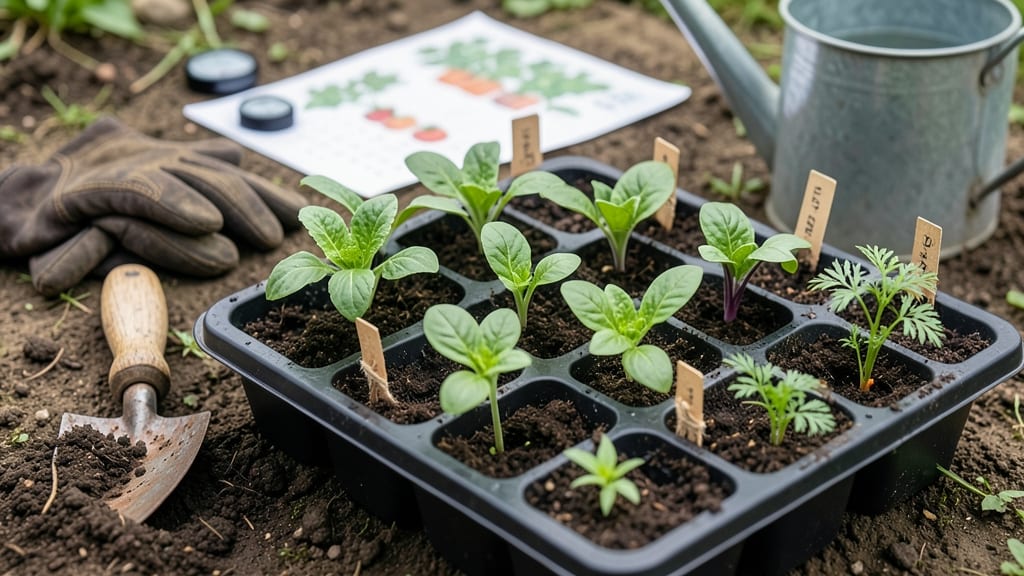
Planting garden plants at the right time ensures a strong start and a bountiful harvest—miss the window, and you risk stunted growth or wasted seeds.
Picture this: you’ve prepped the soil, ordered your seeds, and are ready to dive in—only to watch your 🌱 seedlings wilt under unexpected frost or bolt into flower too fast. Timing isn’t just about the calendar; it’s about understanding your USDA zone, crop type, and even microclimates in your yard.
Cool-season crops like lettuce and peas thrive when planted weeks before the last frost, while warm-season favorites like tomatoes need the soil to warm up first. In Zone 6a, that means starting some plants indoors by early March and others not until late April.
Below, I’ll break down the exact planting windows by crop type, how to adjust for early or late frosts, and the tools to make it foolproof—so you can finally stop guessing and start growing with confidence.
How to use a first frost calculator for your planting Zone
Timing your garden planting can mean the difference between a thriving harvest and wasted seeds. A first frost calculator helps you pinpoint the last frost date in your USDA hardiness zone, which is the foundation for planning your planting schedule.
Without this, you risk planting too early and losing tender crops to frost damage.
Start by finding your USDA zone—most gardeners can look this up by entering their ZIP code into the USDA Plant Hardiness Zone Map.
For example, if you're in Zone 6a, your average last frost date is around April 15, while the first frost typically arrives on October 15. These dates give you a 165-day frost-free growing season.
Now, let’s use this information to create a planting timeline tailored to your garden. The key is working backward from frost: subtract the number of days each plant needs to mature from your first frost date to determine the latest you can plant.
For example, if your tomatoes need 80 days to harvest, plant them by July 15 in Zone 6a.
However, don’t rely solely on average frost dates. Microclimates—like a sunny hillside or a low-lying valley—can shift frost dates by 1-3 weeks. Observe your garden’s unique conditions over a few years to adjust your planting windows accordingly.
Cool-season crops like lettuce and spinach thrive in cooler temperatures and can even be planted 4-6 weeks before your last frost date. Meanwhile, warm-season crops such as peppers and beans need soil temperatures above 60°F and should only go in after the last frost.
Frost-free days are your golden window, but not all plants need the full season. For instance, radishes mature in just 30 days, so you can plant them as early as March or as late as August in Zone 6a. Use this flexibility to extend your harvests.
Here’s how to calculate your planting windows for different crops:
| Plant Type | Days to Maturity | Ideal Planting Window (Zone 6a) | Notes |
|---|---|---|---|
| Cool-Season Veggies (Lettuce, Spinach, Kale) | 30-60 | March-April, August-September | Tolerates light frost; plant early or late. |
| Warm-Season Veggies (Tomatoes, Peppers, Cucumbers) | 60-90 | May-June (after last frost) | Needs warm soil; use row covers if frost risk. |
| Herbs (Basil, Cilantro, Dill) | 45-75 | April-May, July-August | Basil hates frost; plant after last frost. |
| Flowers (Marigolds, Zinnias, Sunflowers) | 45-90 | April-July, August-September | Many tolerate cooler temps; extend season. |
| Fast-Growing Crops (Radishes, Green Onions, Bush Beans) | 20-40 | March-November (successive plantings) | Perfect for filling gaps in your planting schedule. |
For warm-season crops, always wait until the soil is at least 60°F—use a soil thermometer to check. If frost threatens after planting, cover tender seedlings with row covers or frost cloth to protect them. This extends your planting window by 2-3 weeks in early spring or late summer.
Don’t forget to account for seed-starting indoors. If you’re growing tomatoes from seed, start them 6-8 weeks before your last frost date. This ensures they’re ready to transplant when the weather warms up. For Zone 6a, that means starting seeds around March 1.
Finally, keep a gardening journal to track your frost dates and planting success over the years. Local weather patterns can shift, and your notes will help you refine your planting schedule for future seasons. With practice, you’ll master the art of timing your garden like a pro!
Best planting times by crop type: cool-season vs. warm-season plants
Understanding the difference between cool-season and warm-season plants is key to a successful garden. Cool-season crops thrive in temperatures between 40°F and 75°F, while warm-season plants need consistent warmth above 60°F.
Planting at the wrong time can stunt growth or even kill your plants—so let’s break it down by category.
For cool-season vegetables like lettuce, spinach, and kale, the ideal planting window is early spring (as soon as soil is workable) and late summer for a fall harvest. These plants often tolerate light frosts, making them perfect for USDA Zones 3-10.
Meanwhile, warm-season crops like tomatoes, peppers, and basil should wait until after the last frost date, usually mid-to-late spring.
| Crop Type | Direct Sowing Window | Transplant Window | Notes |
|---|---|---|---|
| Cool-Season Vegetables | March-April, August-September | April-May, July-August | Lettuce, spinach, peas, broccoli |
| Warm-Season Vegetables | May-June (after frost) | April-May (start indoors) | Tomatoes, peppers, cucumbers |
| Cool-Season Herbs | March-April, August-September | April-May, July-August | Cilantro, parsley, dill |
| Warm-Season Herbs | May-June (after frost) | April-May (start indoors) | Basil, oregano, thyme |
| Cool-Season Flowers | March-April, August-September | April-May, July-August | Pansies, snapdragons, calendula |
| Warm-Season Flowers | May-June (after frost) | April-May (start indoors) | Marigolds, zinnias, sunflowers |
If you’re growing basil, for example, wait until soil temperatures hit 60°F+—planting too early can shock the roots. Meanwhile, lettuce can handle cooler temps and even light frosts, making it a great early spring or late summer crop.
Always check your last frost date (use a first frost calculator for accuracy) and adjust planting times by 4-6 weeks if starting seeds indoors.
For flowers like marigolds, warm-season varieties need consistent warmth, so hold off until late spring. Cool-season flowers like pansies, however, can bloom even in mild fall frost, extending your garden’s beauty into early winter. The key is matching the plant’s temperature preferences with your local climate.
Pro tip: Use row covers to extend the growing season for cool-season crops in early spring or late fall. For warm-season plants, consider black plastic mulch to warm the soil faster. Both tricks can give you 2-4 extra weeks of growing time—perfect for squeezing in a second harvest!
Always double-check seed packets or plant tags for specific recommendations, as some varieties have unique needs. With the right timing, your garden will flourish—no wasted seeds or struggling plants in sight! 🌱