
Planting
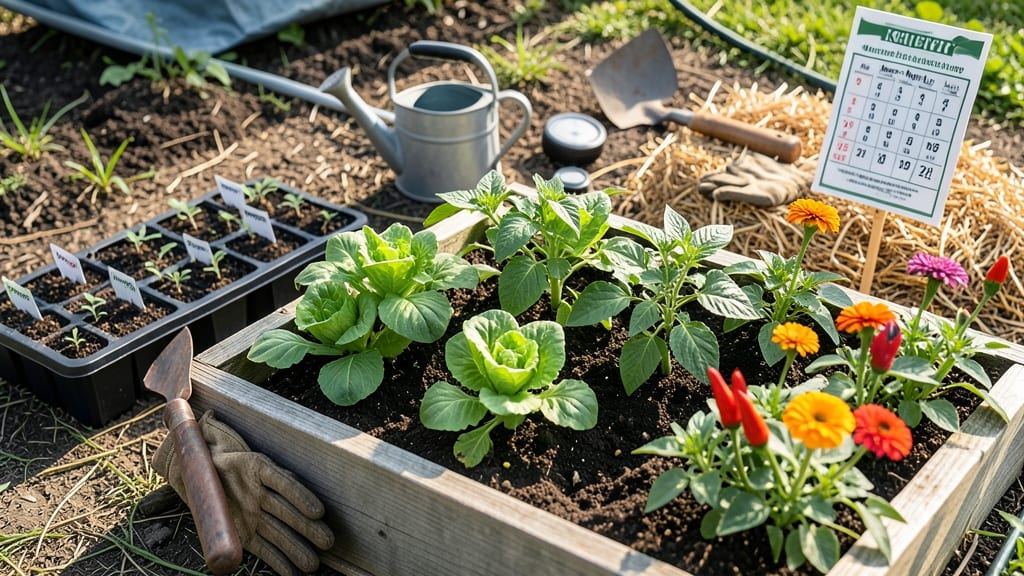
To plant a garden in Kentucky, time your sowing between early March and late May for spring crops and mid-August to September for fall planting, aligning with the state’s 6a–7a zones and frost dates.
Picture this: you’ve spent weeks prepping soil, only to wake up to a surprise frost in April or a heatwave in May. Kentucky’s climate throws curveballs—humid Appalachian valleys, Bluegrass Region heat islands, and unpredictable weather mean one-size-fits-all advice won’t cut it.
This guide cuts through the guesswork with zone-specific frost dates, crop-by-crop planting windows, and pro tips to adjust for Kentucky’s microclimates. Whether you’re sowing cool-season greens or heat-loving tomatoes, you’ll know exactly when to start.
Inside, you’ll find frost-free timelines, soil prep hacks, and how to stretch your growing season—so your 🌱 garden thrives from spring to fall, no matter where you are in the state.
Kentucky planting zones & first/last frost dates by county
Kentucky spans USDA hardiness zones 5b through 7a, creating distinct planting windows across its 120 counties. Northern regions like Henderson and McCracken (zone 6a) experience later springs, while southern areas such as Hopkins and Christian (zone 7a) enjoy extended growing seasons.
These differences mean your last frost date could vary by 3 weeks—critical for timing cool-season crops like broccoli or warm-season favorites like tomatoes.
Understanding your first frost date is equally vital. In zone 6a, expect frost as early as November 10, while zone 7a gardens may see their first freeze around November 25. This shift affects when you can safely plant fall vegetables like kale or spinach without risking damage.
Use these dates as your planting calendar anchors—counting backward for cool-season crops and forward for warm-season ones.
Here’s how to find your exact county’s frost dates: Check the Kentucky Climate Center or use the USDA Plant Hardiness Zone Map. For precision, add 5–7 days to average dates to account for Kentucky’s unpredictable late frosts.
Pro tip: Bookmark your local Cooperative Extension Service updates for real-time adjustments.
| County | USDA Zone | Avg. Last Frost | Avg. First Frost | Spring Planting Window | Fall Planting Window |
|---|---|---|---|---|---|
| Henderson (Zone 6a) | 6a | April 15 | November 10 | March 20–April 30 | August 1–September 15 |
| Christian (Zone 7a) | 7a | April 5 | November 25 | February 20–May 15 | July 15–October 15 |
| Jefferson (Zone 6b) | 6b | April 10 | November 15 | March 1–April 25 | August 10–September 30 |
| Fayette (Zone 6b) | 6b | April 8 | November 18 | March 10–April 20 | July 30–October 5 |
| Bell (Zone 7a) | 7a | April 3 | November 28 | February 28–May 10 | July 1–October 20 |
Your spring planting window opens 4–6 weeks before your last frost date. For example, in zone 6a, start cool-season crops like lettuce or peas by March 20, while zone 7a gardeners can begin as early as February 20.
Warm-season plants like tomatoes and peppers need soil temperatures above 60°F, so wait until 2 weeks after your last frost—typically mid-April to early May.
Fall planting follows the opposite logic: Start warm-season crops like spinach or radishes 8–10 weeks before your first frost. In zone 6a, this means August 1; in zone 7a, you have until October 15.
For perennials or bulbs, plant in late summer (August–September) to establish roots before winter.
Kentucky’s microclimates add another layer. Urban areas like Louisville (zone 6b) can be 5°F warmer than rural counties, delaying frost. Mountain regions like Knott County (zone 6a) may see frost 2 weeks earlier. Use frost cloth or row covers to extend seasons in cooler zones,
Best planting times for Kentucky’s top vegetables & flowers
Kentucky gardeners know timing is everything—plant too early, and frost will nip your dreams in the bud. Too late, and you’ll miss the harvest window. The key lies in understanding your USDA zone (6a-7a) and whether your crop thrives in cool or warm seasons.
Most Kentucky gardeners can start cool-season crops like lettuce and spinach in early spring, while warm-season favorites like tomatoes and peppers need to wait until after the last frost date (typically mid-April to early May).
Don’t forget about fall planting—it’s a secret weapon for extending your harvest. Many vegetables, like kale and carrots, actually taste sweeter after a light frost. Meanwhile, perennials like lavender and coneflowers can be planted in early fall to establish roots before winter.
Let’s break down the exact windows for Kentucky’s most beloved plants.
- 1 Cool-Season Vegetables (March-April): Plant lettuce, spinach, peas, and broccoli 4-6 weeks before your last frost date (typically by March 15). These thrive in 45-65°F soil temps and can handle light frosts.
- 2 Warm-Season Vegetables (May-June): Wait until soil reaches 60°F+ to plant tomatoes, peppers, and beans. Start seeds indoors in late March for transplants ready by mid-May. Avoid planting before last frost (April 15-May 1).
- 3 Herbs (March & August): Basil and cilantro love warm weather—plant after last frost. Parsley and chives are cool-season heroes; sow in early spring or late summer. Mint and oregano can go in anytime but spread aggressively.
- 4 Perennials (Early Spring/Fall): Plant daylilies, black-eyed Susans, and lavender in March-April or September-October for best root establishment. Avoid transplanting when soil is frozen or waterlogged.
- 5 Fall Crops (July-August): For a second harvest, plant kale, carrots, and radishes in late July-August. These bolt-resistant varieties mature quickly before winter sets in. Use row covers to extend the season.
Pro tip: Use row covers or cold frames to push your spring planting window earlier or protect fall crops from unexpected frosts. For example, I’ve successfully grown spinach in February under a simple plastic tunnel—just monitor soil temps closely.
Kentucky’s humidity also means good airflow is critical; space plants properly to prevent fungal diseases like powdery mildew.
Don’t overlook succession planting for continuous harvests. For instance, sow a new batch of bush beans every 2 weeks from June through July to enjoy fresh pods all summer.
This works especially well in Kentucky’s hot, humid summers when plants mature quickly. Keep a planting journal to track what works best in your microclimate!
Remember, Kentucky’s Appalachian regions (like Harlan County) may have 2-3 weeks earlier last frost dates than the Bluegrass Region (Lexington). Check your local Cooperative Extension Service for hyper-local advice. With these timelines, you’ll be harvesting homegrown goodness from spring to frost. 🌱