
Planting
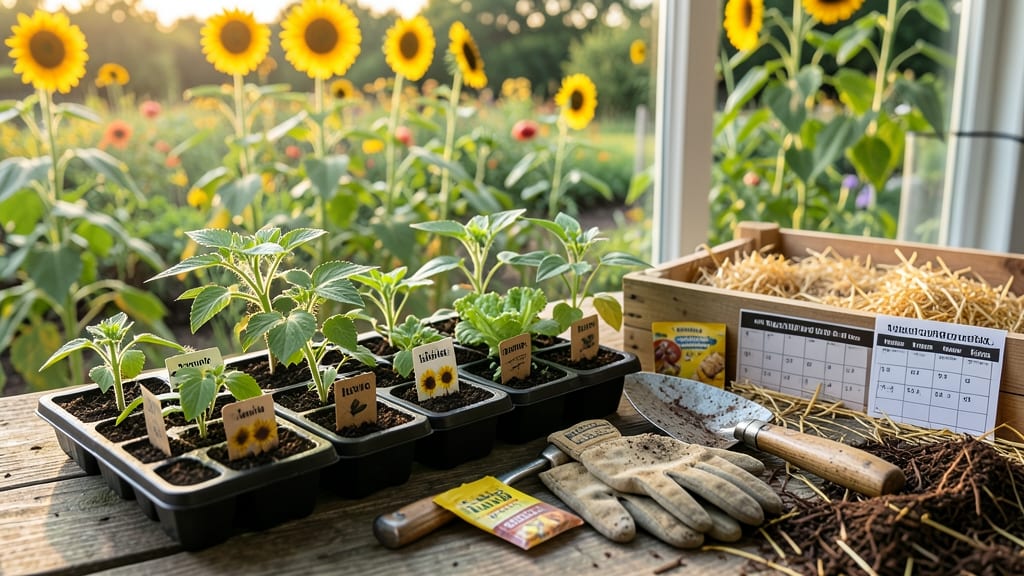
Planting a garden in Kentucky at the right time means the difference between a bountiful harvest and wasted effort — and the clock starts ticking with your last frost date.
Here’s the catch: Kentucky’s climate shifts dramatically from the Bluegrass region to the Appalachian foothills, so a one-size-fits-all schedule won’t work. Miss the window for cool-season crops like peas or spinach, and frost will turn your seedlings into sad, blackened memories.
Plant warm-season tomatoes too early, and they’ll bolt before producing a single fruit.
This guide cuts through the guesswork with zone-specific frost dates, a month-by-month planting calendar for everything from lettuce to lavender, and pro tips for adjusting to Kentucky’s unpredictable weather.
Whether you’re in zone 6a or 7a, you’ll know exactly when to prep your soil, start seeds indoors, and transplant with confidence.
By the end, you’ll have a clear timeline for your garden’s most critical phases — no more staring at seed packets wondering if it’s “too soon” or “too late.” Let’s get those 🌱 sprouting on schedule.
Kentucky’s frost dates by hardiness zone: your planting timeline
Kentucky spans USDA hardiness zones 3a through 7a, creating dramatic differences in frost dates across the state. In the cool mountain regions (zones 3a-5a), gardeners face later last frosts, while river valleys (zones 6a-7a) enjoy earlier springs.
These variations mean your planting schedule must adapt—whether you're in Lexington or Paducah, timing is everything.
Understanding your local frost dates prevents costly mistakes like planting tomatoes too early or missing the window for cool-season greens.
Kentucky’s average last spring frost ranges from mid-April in zone 7a to late May in zone 3a. Meanwhile, first fall frosts arrive as early as mid-September in northern zones but linger until late October in southern regions.
Here’s the zone-by-zone breakdown of Kentucky’s frost dates, including ideal planting windows for vegetables, flowers, and herbs. Use this as your gardening calendar to maximize yields and avoid frost damage.
⚠️ Key Tip: Always check your exact location’s microclimate. Urban areas like Louisville may warm faster than rural spots, while elevated gardens (above 1,000 ft) can experience delayed springs.
| Zone | Avg Last Frost | Avg First Frost | Spring Planting Window | Fall Planting Window | Risk Factors |
|---|---|---|---|---|---|
| 3a (Eastern KY Mountains) | May 15–20 | Sept 20–25 | May 1–15 (after frost) | July 15–Aug 1 | Late frosts, high elevation |
| 4a (Northern KY) | April 25–May 5 | Oct 5–10 | April 15–May 1 | July 1–15 | Unpredictable late springs |
| 5a (Central KY) | April 10–20 | Oct 15–20 | March 20–April 10 | June 20–July 10 | Humidity affects growth |
| 6a (Western KY) | March 25–April 5 | Oct 25–Nov 1 | March 1–March 20 | June 10–July 5 | Early heat stress |
| 7a (Southwest KY) | March 10–20 | Nov 5–10 | Feb 20–March 15 | May 20–June 10 | Long, hot summers |
In zone 3a (Eastern Kentucky mountains), where last frosts often hit mid-May, focus on cold-hardy crops like kale, peas, and potatoes for early spring. Warm-season plants like tomatoes and peppers should wait until after May 15, with row covers ready for late surprises.
Zone 7a (Southwest Kentucky) gardeners enjoy the earliest springs, with last frosts by March 20. This means you can plant spinach and lettuce in February and tomatoes by March 15—but watch for early heat waves that stress young plants. Extend your season with shade cloth during scorching afternoons.
Best planting schedule for Kentucky vegetables, flowers, and herbs
Kentucky gardeners know timing is everything—whether you're growing tomatoes in the Bluegrass or lavender in the mountains. The key is matching your planting schedule to Kentucky’s USDA zones 6a-7a and avoiding those pesky late frosts.
Warm-season crops like peppers need to wait until after the last frost (usually mid-April), while cool-season greens like spinach thrive when planted 4-6 weeks before that date.
For perennials like asparagus, early spring is ideal—plant crowns in March for harvests starting the second year. Meanwhile, annual flowers such as marigolds can be direct-sown as early as late March or started indoors in February for a head start.
The goal? Maximize your garden’s productivity by aligning each plant’s needs with Kentucky’s 180-220 frost-free days.
🌱 Kentucky Planting Timeline by Month
- 🌱 February: Start indoor seeds for tomatoes, peppers, and herbs like basil. Plant hardy greens (kale, spinach) outdoors if soil is workable.
- 🌱 March: Direct-sow cool-season crops (lettuce, peas, carrots) 4-6 weeks before last frost. Transplant asparagus crowns and rhubarb.
- 🌱 April: Wait until after last frost (mid-April) to plant warm-season crops like tomatoes, peppers, and squash. Sow cucumbers and beans directly.
- 🌱 May-June: Transplant herbs (rosemary, thyme) and flowers (marigolds, zinnias). Succession plant lettuce for fall harvests.
- 🌱 July-August: Direct-sow fall crops (broccoli, cabbage) 8-10 weeks before first frost. Plant perennials like lavender and oregano.
- 🌱 September: Extend season with cold-hardy greens (spinach, arugula) and radishes. Harvest warm-season crops before frost.
Don’t overlook herbs—many thrive in Kentucky’s climate. Plant cilantro in early spring or fall (it bolts in summer heat), while oregano and thyme can be planted anytime after the last frost.
For flowers, zinnias and sunflowers love Kentucky’s summer heat, but pansies prefer cooler months. Pro tip: Use row covers to protect early plantings from unexpected late frosts.
Kentucky’s humid summers demand extra care for warm-season crops. Water deeply 2-3 times per week and mulch to retain moisture. For cool-season crops, focus on soil drainage—Kentucky’s clay soils can become waterlogged.
Amend with compost to improve structure and fertility. Perennials like lavender need well-draining soil too; avoid heavy, compacted areas.
Fall planting is your second chance for a bountiful harvest. Broccoli, cabbage, and kale planted in August will mature before the first frost (usually mid-October). For herbs, parsley and chives are frost-tolerant and can be harvested well into winter.
Don’t forget to clean up garden beds in fall to prevent pests and diseases from overwintering.
Adjust your schedule based on microclimates. Urban Louisville may have warmer microclimates than rural Eastern Kentucky, so monitor local frost dates. Use a soil thermometer to confirm when soil reaches 60°F for warm-season crops.
With this month-by-month guide, your Kentucky garden will be productive from spring to fall—no wasted effort or frost damage! 🌿