
Planting
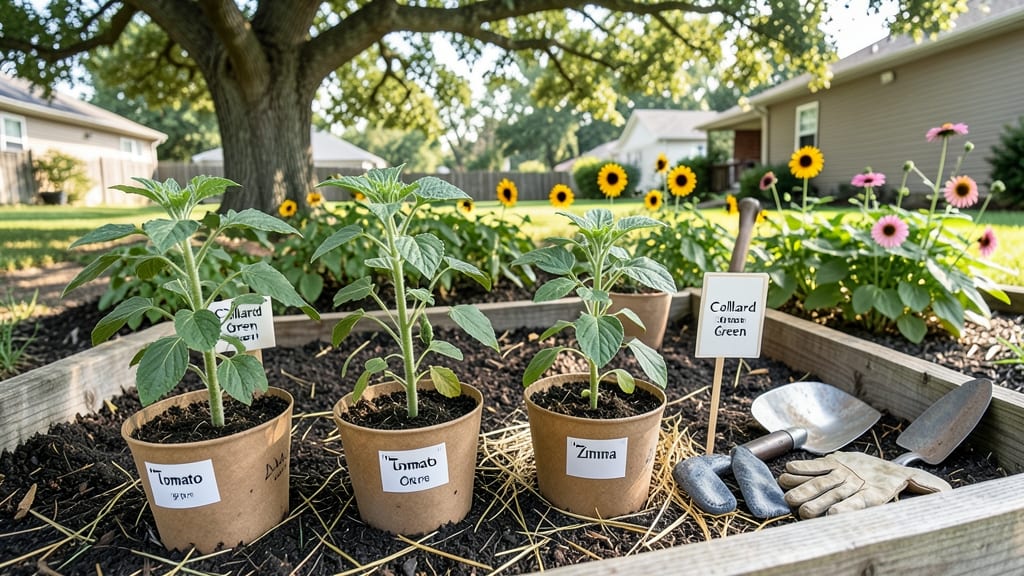
Planting a garden in Arkansas depends on knowing the last frost dates for your region — miss them, and your cool-season crops could get zapped overnight.
Arkansas gardeners know timing is everything: plant too early, and frost damage ruins your hard work; too late, and you miss the growing season. But with the right last frost dates and crop-specific guidance, you can maximize yields and avoid common mistakes that ruin harvests.
From the cooler hills of the Ozark Mountains to the warmer Delta lowlands, Arkansas spans USDA Zones 6-8, which means your planting window can vary by six weeks depending on where you live.
Whether you're sowing lettuce in February or tomatoes in April, the key is matching your crops to the local frost-free period.
Here’s how to pinpoint your ideal planting window, adjust for Arkansas’s unpredictable weather, and choose crops that thrive in the state’s humidity and clay soil — so you can enjoy a bountiful harvest from spring to fall.
Arkansas last frost dates by region: critical planting windows for 2024
Understanding Arkansas's last spring frost dates is the key to unlocking a successful garden.
The Natural State's diverse climate creates distinct planting windows from north to south, with North Arkansas typically seeing its last frost between March 15 and April 15, while Central Arkansas averages March 1 to April 1.
In the warmer South Arkansas region, gardeners can start planting as early as February 15, sometimes even earlier.
These dates aren't just numbers—they determine whether your tomatoes thrive or your peppers wither. First-time gardeners often make the mistake of planting too early, only to watch tender seedlings crisp under unexpected frost.
Meanwhile, experienced growers know that fall frost dates (typically October 15 to November 15) are just as critical for planning your harvest schedule.
But here's the catch: Arkansas's microclimates can vary dramatically even within small areas. A valley might frost weeks after surrounding hills, while urban heat islands can delay spring frosts.
That's why I always recommend checking your local USDA Plant Hardiness Zone (Arkansas spans Zones 6b to 8a) and observing your own yard's frost patterns for at least three years.
Let's break down the critical frost dates by region with actionable planting windows tailored to Arkansas's unique growing conditions. This summary table will help you plan your garden with confidence, whether you're growing cool-season greens or heat-loving peppers.
For North Arkansas gardeners in Zone 6b-7a, your planting window opens earliest for cool-season crops like lettuce and spinach in late February, but hold off on warm-season plants until after April 15.
This region's later frosts mean you'll have a shorter growing season for heat-loving plants, so prioritize fast-maturing varieties like bush beans or zucchini.
Central Arkansas's Zone 7a-7b offers the most balanced climate, with March 1–April 1 as your critical window. Here, you can start tomato and pepper seeds indoors in late February and transplant after the last frost.
The extended growing season lets you try two crops of cool-season greens—one in early spring and another in fall.
If you're in South Arkansas (Zone 7b-8a), you're in luck! The earliest last frost dates in the state mean you can plant warm-season crops like okra and sweet potatoes as early as February 20.
This region also benefits from a longer fall growing season, with some gardeners able to harvest squash and collards well into November.
Pro tip: Use frost-sensitive plants like eggplant and basil as your frost indicators. If they survive overnight, you're likely safe to plant other warm-season crops. For extra protection, keep row covers handy—even a light frost can damage young plants, and Arkansas's unpredictable spring weather can bring surprises.
Remember that first fall frost dates are just as important as spring dates. In North Arkansas, you'll want to harvest squash and beans by early October, while South Arkansas gardeners might get a few extra weeks.
Plan your fall planting accordingly, focusing on cool-season crops that can handle Arkansas's crisp autumn temperatures.
For maximum success, I recommend creating a garden journal to track your local frost dates and adjust your planting schedule each year. Arkansas's climate shifts can be subtle but significant—what worked last year might not this year.
By mastering these critical frost dates, you'll transform from a guesser to a garden strategist, ready to harvest abundant, homegrown produce all season long.
Best planting times for Arkansas crops: cool-season vs. warm-season vegetables
Arkansas gardeners thrive when they align planting with the state's cool-season and warm-season windows. Cool-season crops like lettuce and spinach love Arkansas' mild winters, while warm-season favorites like tomatoes and peppers need the soil to warm up. Understanding these differences ensures your garden flourishes year-round.
For cool-season vegetables, start seeds indoors in February or transplant young plants in March before the last frost. These crops handle Arkansas' 50-60°F temperatures perfectly. Warm-season crops, however, should wait until after the last frost—typically April 15–May 1—when soil temperatures reach 60°F+.
| Crop Type | Best Planting Months | Soil Temp Requirement | Succession Planting Tip |
|---|---|---|---|
| Cool-Season: Lettuce | Feb–March, Sept–Oct | 45–65°F | Sow every 2 weeks for continuous harvest |
| Cool-Season: Spinach | Feb–March, Sept–Oct | 40–55°F | Use shade cloth in summer to prevent bolting |
| Cool-Season: Kale | Feb–March, Sept–Oct | 50–60°F | Harvest outer leaves to extend harvest time |
| Warm-Season: Tomatoes | April–May (after last frost) | 60°F+ | Stake plants early to support growth |
| Warm-Season: Peppers | April–May (after last frost) | 65°F+ | Use black plastic mulch to warm soil faster |
| Warm-Season: Squash | May–June | 70°F+ | Plant after soil is fully warmed |
Succession planting is a game-changer in Arkansas's humid climate. For cool-season crops like lettuce, sow new seeds every 2–3 weeks from February through March to enjoy fresh harvests all spring. Warm-season crops like bush beans benefit from staggered plantings in May and June for a prolonged harvest.
Don't overlook Arkansas' fall planting opportunities. Cool-season crops planted in September can thrive until the first frost, often around October 15–November 15. Use row covers to extend the season and protect tender greens from unexpected chills.
For warm-season crops, always check soil temperatures before planting. Use a soil thermometer to confirm 60°F+ for tomatoes and peppers. If your soil is still cool in May, opt for fast-maturing varieties or use black plastic mulch to warm it up faster.
Arkansas gardeners who master these timing strategies enjoy longer harvests and healthier plants—whether you're growing crisp spring lettuce or juicy summer tomatoes. Start with these guidelines, then adjust based on your local microclimate for even better results. Happy planting! 🌱