
Planting
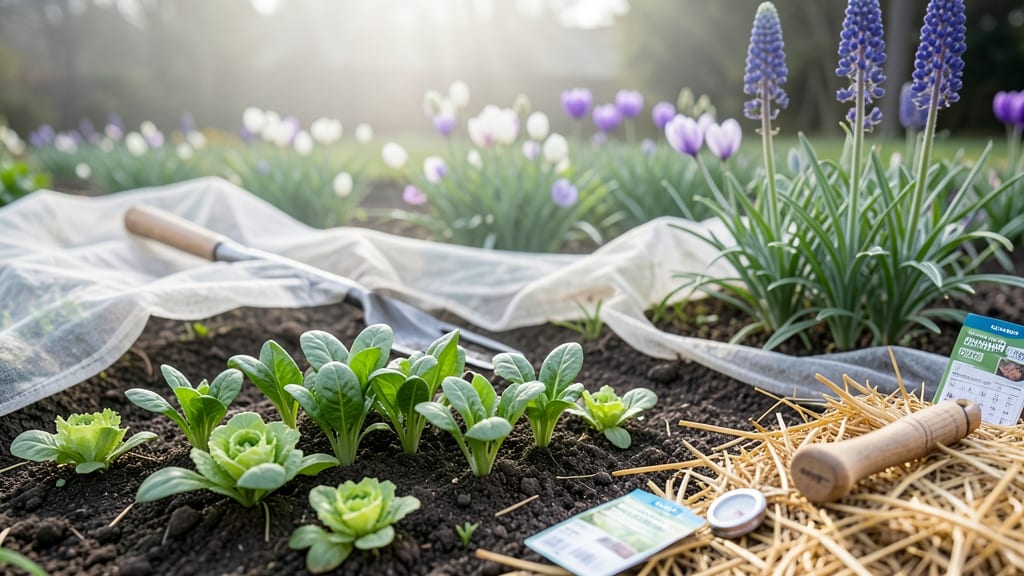
Planting your garden in Maine at the right time means the difference between a bountiful harvest and a sad pile of frost-nipped seedlings.
Maine’s unpredictable frost dates can turn a gardener’s dream into a risky gamble—but timing your planting just right ensures a thriving harvest instead of wilted disappointment.
Whether you’re sowing cool-loving lettuce or heat-seeking tomatoes, knowing when to start seeds indoors and when to set them in the ground is the key to success.
From the chilly coastal zones to the slightly milder inland areas, Maine’s USDA Zones 4-7 each have their own ideal planting windows. Most gardeners aim for late April to early May for outdoor sowing, but frost can linger well into June in higher elevations.
In this guide, I’ll break down the exact frost-free dates by zone, share my proven strategies for adjusting to Maine’s fickle weather, and give you a month-by-month planting schedule for your favorite vegetables and flowers.
Maine’s frost-free dates by planting Zone: when to start seeds indoors and outdoors
Maine’s USDA Plant Hardiness Zones 4-7 create a diverse gardening landscape, where coastal areas (Zone 5-6) enjoy slightly milder winters than inland regions (Zone 4-5). Understanding your last spring frost and first fall frost dates is critical—these determine when to start seeds indoors and when to transplant seedlings outdoors.
In my experience, getting this timing wrong can mean the difference between a bountiful harvest and a sad pile of frost-nipped seedlings.
For most of Maine, the average last frost date falls between late May and early June, while the first frost typically arrives in early October. However, these dates can shift by weeks depending on your exact location.
Coastal areas like Portland often see their last frost around May 15th, while northern regions like Bangor might not be frost-free until June 1st. This variation means gardeners in southern Maine can plant warm-season crops like tomatoes a full two weeks earlier than their counterparts in the north.
Here’s the key: cool-season crops (like peas, lettuce, and spinach) thrive when planted 4-6 weeks before your last frost date, while warm-season crops (tomatoes, peppers, basil) need to wait until 2-3 weeks after the last frost.
Starting seeds indoors is often the best strategy for warm-season crops, giving them a head start before the soil warms up. In my garden, I begin tomato seeds indoors in early March for a mid-May transplant—just as the soil finally warms to 60°F.
| USDA Zone | Last Frost Date | First Frost Date | Indoor Seed Start (Warm Crops) | Outdoor Transplant Window |
|---|---|---|---|---|
| Zone 4 (Northern Maine) | June 1 - June 10 | September 20 - October 5 | March 1 - March 15 | June 15 - July 1 |
| Zone 5 (Central Maine) | May 25 - June 5 | September 10 - September 25 | March 15 - April 1 | June 1 - June 15 |
| Zone 6 (Southern & Coastal Maine) | May 10 - May 20 | October 1 - October 15 | April 1 - April 15 | May 15 - June 1 |
| Zone 7 (Far Southern Tip) | April 25 - May 10 | October 15 - November 1 | March 20 - April 1 | May 1 - May 15 |
One of the biggest mistakes I’ve seen new gardeners make is planting warm-season crops like peppers and eggplants too early. These heat-lovers need soil temperatures above 70°F to thrive, and Maine’s soil often stays cool well into June.
That’s why I always use a soil thermometer to confirm the ground has warmed enough before transplanting. For cooler crops like kale and broccoli, I plant seeds directly outdoors as early as April, giving them time to mature before summer heat sets in.
Don’t forget about succession planting—this is how I maximize my harvest in Maine’s short growing season. After harvesting early crops like radishes or lettuce, I replant the space with quick-growing varieties like bush beans or carrots.
This keeps my garden productive from spring through fall. For example, I’ll plant a second round of lettuce in late July for a fall harvest, using shade cloth to protect it from the intense August sun.
If you’re unsure about your exact frost dates, I recommend checking the National Weather Service or local agricultural extension service for your specific town. Microclimates—like south-facing slopes or protected valleys—can also shift frost dates by a week or more.
In my garden, the area near my stone wall stays warmer at night, allowing me to plant tomatoes a week earlier than the rest of my yard.
For perennial plants like asparagus or rhubarb, timing is different. These hardy crops should be planted in early spring (March-April) so they establish roots before summer heat. I’ve found that asparagus crowns planted in May often struggle to mature before winter, leading to smaller harvests the following year.
Patience is key—it takes 2-3 years for asparagus to produce spears, but once established, it’s one of the most rewarding crops in my Maine garden.
Finally, always keep an eye on the 10-day forecast before transplanting seedlings. A late frost can wipe out your hard work in minutes. I’ve learned the hard way that even if the calendar says it’s safe, Mother Nature often has other plans.
That’s why I keep row covers and frost cloth on hand—just in case. With the right timing and a little flexibility, you can enjoy a thriving garden in Maine’s challenging climate.
Best planting schedule for Maine’s most popular vegetables and flowers
Maine’s short growing season demands precision when planting your favorite vegetables and flowers. Whether you’re growing tomatoes that need warmth or lettuce that thrives in cool weather, knowing the right planting windows makes all the difference.
I’ve broken down the best times to plant Maine’s top crops, including succession planting tips to keep your harvests coming all season long.
For warm-season crops like tomatoes and peppers, wait until after the last frost—typically late May to early June in most of Maine. Cool-season crops, such as lettuce and potatoes, can handle cooler temps and often do best when planted in early spring or late summer.
Perennials, like daylilies and coneflowers, should go in the ground in early spring or fall for the best establishment.
- 🌱 Tomatoes: Start indoors in March, transplant after last frost (late May). Use row covers for early starts. Succession plant every 2 weeks for continuous harvests.
- 🌶️ Peppers: Begin indoors in April, transplant after all danger of frost (early June). Choose heat-tolerant varieties like 'Carolina Wonder' for Maine’s cooler summers.
- 🥬 Lettuce: Sow early spring (April) or late summer (August) for fall harvests. Use shade cloth in hot weather to prevent bolting.
- 🥔 Potatoes: Plant early spring (April) when soil reaches 45°F. Choose early-maturing varieties like 'Yukon Gold' for shorter seasons.
- 🌼 Perennials (e.g., Coneflowers): Plant in early spring or fall for best root establishment. Mulch heavily in Zone 4-5 to protect from winter cold.
If you’re aiming for a continuous harvest, try succession planting with fast-growing crops like radishes or bush beans.
For example, sow radish seeds every 2 weeks from May through July to enjoy fresh harvests all season. Tomatoes and peppers also benefit from staggered plantings—start a new batch every 2-3 weeks to extend your harvest window.
Don’t overlook perennials and flowers like black-eyed Susans and lavender, which thrive in Maine’s climate. Plant them in early spring or fall to give roots time to establish before winter. These plants often reward you with years of low-maintenance beauty and pollinator support.
For coastal Maine gardeners, remember that microclimates can shift planting times by weeks. Areas near the coast may experience earlier last frosts than inland zones, so keep an eye on local frost forecasts. Use frost cloths or cold frames to push your growing season even further.
With this schedule, you’ll avoid the heartbreak of frost-damaged seedlings and maximize your Maine garden’s potential. Happy planting—your future harvests will thank you! 🌱