
Planting
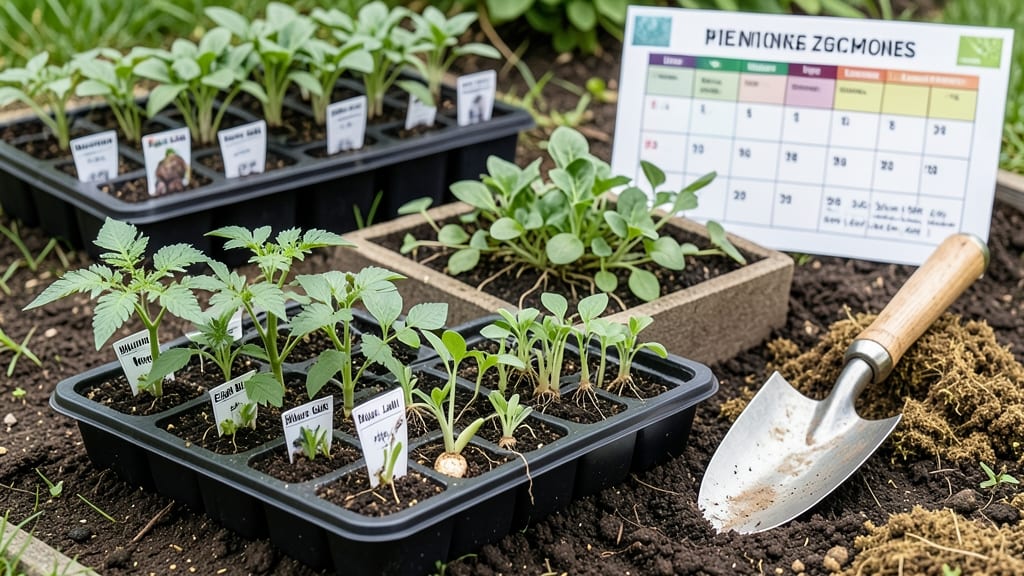
Planting a garden in Michigan at the right time means the difference between a bountiful harvest and a frost-killed disappointment.
Michigan gardeners know timing is everything—plant too early and face frost, too late and miss the growing season. But with the right frost-free dates by zone and crop type, you can maximize your harvest and avoid common mistakes.
The Upper Peninsula and Lower Peninsula have different frost dates, which means what works in Detroit might be risky in Traverse City. Cool-season crops like lettuce and peas can handle a light frost, while warm-season favorites like tomatoes need to wait until the soil is reliably above 50°F.
Below, I’ll break down the exact frost-free windows for your zone, which crops to plant when, and how to adjust if Mother Nature throws a curveball.
Michigan frost-free dates by hardiness Zone: when to start planting
Michigan's USDA hardiness zones range from 5a to 6b, creating distinct planting windows across the state. The Upper Peninsula typically falls in zones 5a/5b, while the Lower Peninsula spans 5b/6a to 6b.
These zones determine your last frost dates, which are critical for scheduling cool-season crops like spinach and warm-season crops like tomatoes.
In Zone 5a (northern UP), the average last frost date is around May 15, while Zone 6b (southern MI) sees its last frost by May 1.
These dates mark when you can safely plant tender annuals outdoors, but cool-season crops can often go in the ground 4-6 weeks earlier.
Understanding your zone helps you avoid frost damage to young plants. For example, tomatoes and peppers need warm soil (at least 55°F) and should only go in after your last frost. Meanwhile, lettuce and carrots can handle cooler temps and may even prefer it.
Here’s how Michigan’s zones break down with their average frost-free dates and ideal planting windows:
For cool-season crops, like kale and peas, you can start seeds indoors 6-8 weeks before your last frost. In Zone 5a, that means sowing by March 15, while Zone 6b gardeners can begin as early as January for a head start.
Warm-season crops, such as cucumbers and squash, require soil temps above 60°F. In Zone 6b, wait until April 15 to plant these heat
Best planting times for Michigan vegetables: a month-by-month guide
Michigan's variable climate demands precise planting timing to avoid late frosts or missed harvests. Cool-season crops like lettuce and peas thrive in early spring, while tomatoes and peppers need warm soil. Understanding these windows ensures your garden flourishes year-round.
For Lower Peninsula gardeners (zones 5b-6a), the last frost typically arrives between May 10-20, while Upper Peninsula areas (zones 4b-5a) may wait until May 25-June 5. Adjust these dates by 1-2 weeks based on your local microclimate and weather forecasts.
- April-May: Start cool-season crops indoors (e.g., broccoli, cabbage) 6-8 weeks before last frost. Direct sow peas and spinach 4-6 weeks before last frost.
- May: Plant potatoes and onions 2-4 weeks before last frost. Transplant cabbage and broccoli seedlings after soil reaches 45°F.
- June: Sow beans, cucumbers, and squash after soil warms to 60°F. Start tomatoes and peppers outdoors only after last frost (use row covers if needed).
- July-August: Succession plant lettuce, radishes, and kale for fall harvests. Transplant broccoli and cauliflower for late-season growth.
- September: Direct sow spinach, turnips, and garlic for early spring harvests. Avoid planting warm-season crops after August 15 in most zones.
Extend your harvests with succession planting—sow lettuce every 2 weeks from May to August for continuous greens. For tomatoes, stagger plantings every 2 weeks after the last frost to prevent simultaneous ripening.
Watch for false springs—late frosts can still occur in April-May. Use frost cloth for sensitive seedlings like peppers until nighttime temperatures stabilize above 50°F. Always check your local Michigan State University Extension frost date maps for real-time updates.
Plan ahead by selecting fast-maturing varieties (e.g., bush beans in 50 days vs. pole beans in 60+ days) to fit shorter seasons. In Northern Michigan, opt for early-maturing crops like radishes (25 days) or bok choy (30 days) for reliable harvests.
🌱