
Planting
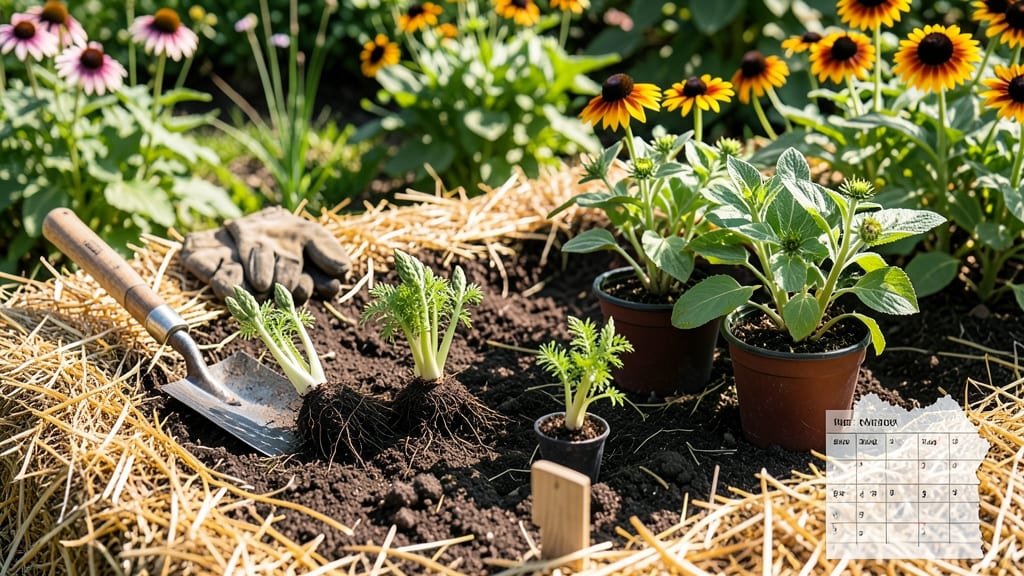
Planting a garden in Michigan at the right time means the difference between a bountiful harvest and a wasted season—especially in zones 4-5 where frost lingers late and heat arrives fast.
Michigan’s unpredictable spring weather can leave gardeners scrambling—plant too early, and frost will kill your seedlings; too late, and you miss peak harvests.
Timing is everything, and knowing Michigan’s Zone 4-5 frost dates and crop-specific windows can mean the difference between a thriving 🌱 General Vegetable Garden and a disappointing one.
For most Michigan gardeners, the best planting window starts after the last frost date—typically mid-April in the Lower Peninsula and early May in the Upper Peninsula—when soil temperatures hit 50°F.
But not all crops thrive under the same schedule: cool-season veggies like peas and lettuce can go in as early as March, while tomatoes and peppers need to wait until late May or early June.
Below, I’ll break down the exact frost dates, crop-by-crop planting tips, and how to adjust for Michigan’s short growing season—so you can maximize your harvest from spring to fall without guessing.
Michigan’s frost dates & planting zones: Zone 4 vs. Zone 5 timelines
Michigan’s Zone 4 and Zone 5 regions have distinct frost timelines that dictate when to plant your garden. Understanding these differences helps you avoid late spring frosts and maximize your growing season.
The Upper Peninsula (mostly Zone 4) typically experiences earlier frosts than the Lower Peninsula (Zone 5), meaning gardeners there must act faster to get crops in the ground.
For Zone 4 (Upper Peninsula), the average last frost date falls between May 10–20, while Zone 5 (Lower Peninsula) sees its last frost around April 25–May 10. Conversely, the first frost in fall hits Zone 4 between September 20–October 5, compared to Zone 5’s October 10–20 window.
These dates create a 10–14 day difference in planting windows between the two zones.
Use these frost-free days to plan your garden: Zone 4 has roughly 120–140 frost-free days, while Zone 5 enjoys 140–160 days.
This means gardeners in Zone 5 can grow heat-loving crops like tomatoes and peppers with more confidence, while Zone 4 gardeners may need to focus on cool-season crops or use season-extending tools.
| Zone | Last Spring Frost | First Fall Frost | Frost-Free Days | Key Planting Window |
|---|---|---|---|---|
| Zone 4 (Upper MI) | May 10–20 | Sep 20–Oct 5 | 120–140 days | Mid-May to early July |
| Zone 5 (Lower MI) | Apr 25–May 10 | Oct 10–20 | 140–160 days | Early May to mid-July |
To track real-time frost risks, use tools like the Michigan State University Extension’s Frost Date Calculator or the National Weather Service’s Frost Prediction Maps. These resources provide localized alerts and help adjust planting dates based on current weather patterns.
For example, if your area experiences a late frost in early May, delay planting warm-season crops like peppers until after May 15.
Regional microclimates also play a role. Urban areas in Zone 5, like Detroit or Grand Rapids, may have warmer microclimates due to heat islands, allowing for slightly earlier planting.
Conversely, Zone 4 areas near lakes, like Traverse City, might experience cooler temperatures near water bodies, delaying planting by a week or more.
For cool-season crops like spinach, kale, and peas, you can plant as early as mid-April in Zone 5 or late April in Zone 4, even before the last frost. These hardy plants tolerate light frosts and can even thrive with a light dusting of snow.
However, warm-season crops like tomatoes, cucumbers, and basil must wait until after the last frost and when soil temperatures reach at least 50°F (10°C).
Fall planting is another critical window. In Zone 5, you can direct-sow cool-season crops like broccoli and carrots until early September, while Zone 4 gardeners should aim for mid-August to ensure harvests before the first frost.
Succession planting—sowing small batches every 2–3 weeks—can extend your harvest and make the most of Michigan’s short growing season.
Protecting young plants from late frosts is key. Use row covers, cold frames, or even old bedsheets to shield seedlings from unexpected cold snaps.
In Zone 4, where frosts linger longer, consider starting warm-season crops indoors 6–8 weeks before the last frost date to give them a head start.
Remember, these dates are averages, not guarantees. Always monitor weekly forecasts and adjust your planting schedule accordingly. With the right timing and tools, you can turn Michigan’s challenging climate into a thriving garden oasis. Happy planting! 🌱
Best planting times for Michigan’s top vegetables & herbs (by crop type)
Michigan’s short growing season demands precision when planting vegetables and herbs. Cool-season crops thrive in spring and fall, while warm-season favorites need warm soil and consistent heat. Understanding these windows ensures you maximize your harvest before the first frost.
Let’s break down the best times to plant by crop type, including succession planting strategies to keep your garden productive all season.
Start with cool-season crops like spinach and peas in early spring or late summer. These hardy plants tolerate light frosts and can even improve in flavor after a light freeze.
For warm-season staples, wait until after the last frost date—typically mid-May in most of Michigan—when soil temperatures reach at least 60°F (15°C). Herbs like basil and cilantro have their own ideal planting windows, with some thriving in cooler weather while others need warmth.
- 1 Cool-Season Crops (Spinach, Peas, Kale, Lettuce): Plant 4-6 weeks before last frost (early March–April) or 8-10 weeks before first frost (late July–August) for a fall harvest.
- 2 Warm-Season Crops (Tomatoes, Peppers, Corn, Beans): Wait until after last frost (mid-May) and soil is 60°F+. Direct-sow corn and beans by June 1 for best results.
- 3 Herbs (Basil, Cilantro, Parsley): Basil needs warm soil (60°F+) and should be planted after last frost (late May). Cilantro and parsley thrive in cool weather and can be sown in early spring or late summer.
- 4 Succession Planting Tip: For continuous harvests, sow lettuce every 2 weeks in spring and beans every 3 weeks through July. This keeps your garden productive without overcrowding.
- 5 Fall Planting Window: Start cool-season crops again in late July for a harvest before the first frost (typically mid-October). Use row covers to extend the season by 2-3 weeks.
For cool-season crops, I recommend starting seeds indoors in late February for an early jump. Transplant seedlings outdoors once soil temperatures stabilize, usually by mid-April. These crops—like spinach, peas, and kale—can handle light frosts, so don’t rush to plant them too early.
In fact, some varieties, like kale, taste sweeter after a light frost.
When it comes to warm-season crops, patience is key. Tomatoes and peppers, for example, won’t thrive until soil temperatures reach 60°F (15°C). In Michigan, this typically aligns with mid-May, but always check your local frost date forecasts.
If you’re eager to get started, consider using black plastic mulch to warm the soil faster and give your seedlings a head start.
Herbs add flavor and fragrance to any garden, but their planting times vary widely. Basil, for instance, is a warm-weather herb that should only be planted after the last frost.
On the other hand, cilantro and parsley prefer cooler temperatures and can be sown in early spring or late summer. To keep your herb garden productive, stagger plantings every 3-4 weeks for a continuous supply.
Don’t forget about succession planting—it’s a game-changer for extending your harvest. For example, if you plant lettuce every 2 weeks from April through July, you’ll have fresh greens well into fall.
Similarly, beans and radishes can be sown in succession to ensure a steady supply without overwhelming your garden space.
By following these crop-specific planting windows and using succession planting, you’ll turn Michigan’s short growing season into a bounty of fresh produce. Start with the cool-season crops, wait for warmth for your tomatoes and peppers, and keep herbs happy with the right timing. Happy gardening! 🌱