
Planting
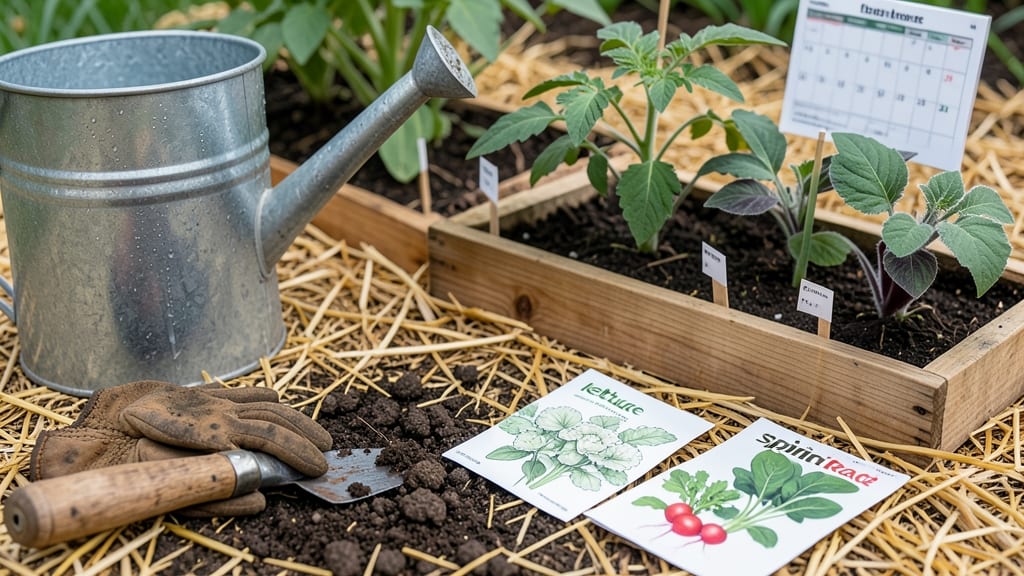
Planting a vegetable garden in Pennsylvania at the right time means the difference between a thriving harvest and a sad, wilted disappointment 🥕 — and the key is knowing your zone and frost dates.
Pennsylvania’s diverse climate—from the humid summers of Philadelphia to the cooler mountain regions of the Poconos—means planting your vegetable garden at the wrong time can mean the difference between a bountiful harvest and a sad, wilted disappointment.
But don’t worry: with the right frost-date guide tailored to your PA zone, you can time your plantings like a pro.
Cool-season crops like spinach and peas need to go in the ground 4-6 weeks before your last frost, while warm-season favorites like tomatoes and peppers wait until 2-3 weeks after. Miss those windows, and you’ll end up with leggy seedlings or stunted fruit.
Below, I break down the exact planting windows for your zone, how to adjust for late frosts, and a month-by-month guide to keep your garden productive all season long.
Pennsylvania planting zones and frost dates: when to start your vegetable garden
Pennsylvania spans USDA Hardiness Zones 5a through 7a, creating a patchwork of microclimates that can confuse even seasoned gardeners.
Whether you're in the cool mountain valleys of the Poconos (Zone 5b) or the warmer Philadelphia suburbs (Zone 7a), knowing your exact last frost date is the key to timing your vegetable plantings perfectly.
A late frost in May can wipe out tender seedlings overnight, while planting too late might leave you with stunted warm-season crops.
The average last frost dates across PA range from early April in Zone 7a to late April or early May in Zone 5b.
These dates determine when you can safely plant warm-season vegetables like tomatoes and peppers, while cool-season crops (spinach, kale, peas) can often handle light frosts and may even thrive when sown weeks before the last frost. Understanding these nuances ensures your garden thrives, not just survives.
To pinpoint your exact planting window, use the USDA Plant Hardiness Zone Map and cross-reference it with local frost-date calculators from sources like the Old Farmer's Almanac or your county extension office.
For example, in Pittsburgh (Zone 6b), the last frost typically falls around April 20, giving you a clear deadline for transplanting warm-season crops. In Erie (Zone 6a), that date shifts to May 5 due to lake-effect cooling.
For warm-season crops like tomatoes, peppers, and cucumbers, the rule of thumb is to wait until 2-3 weeks after your last frost date to transplant seedlings. This buffer ensures soil temperatures are consistently above 50°F (10°C), which is critical for germination and growth.
In Zone 5b, this might mean waiting until early June, while gardeners in Zone 7a can start as early as mid-April for heat-loving plants.
Conversely, cool-season crops like lettuce, spinach, and peas can often be planted 4-6 weeks before your last frost date. These hardy vegetables tolerate light frosts and may even develop sweeter flavors when exposed to cooler temperatures.
In Zone 6a, you could start sowing peas as early as late February or early March under row covers, while in Zone 7a, you might wait until mid-March.
Don’t overlook fall planting opportunities in Pennsylvania. Many gardeners focus solely on spring, but cool-season crops can thrive in late summer and fall, especially if you extend your season with row covers or cold frames.
In Zone 5b, you might still plant broccoli or kale in early September for a harvest before winter, while Zone 7a gardeners can push it to late October. Always check your first frost date—typically mid-October in the north to late October in the south—to plan accordingly.
To create your own custom planting calendar, start by identifying your USDA zone and last frost date, then adjust based on your garden’s microclimate. Urban areas may experience heat islands that push back frost dates, while mountain valleys can trap cold air, delaying spring planting.
Use a frost-date calculator like the one from the National Weather Service or your state’s agricultural extension service to refine your timeline further.
Pro tip: Keep a garden journal for at least two
Best vegetables to plant in Pennsylvania by season: a month-by-month guide
Pennsylvania’s diverse climate means your vegetable garden can thrive year-round with the right timing. Cool-season crops like spinach and kale love early springs and crisp fall air, while tomatoes and peppers need warm soil to take off.
The key? Understanding your last frost date (typically mid-April in most of PA) and planning for succession planting to keep harvests coming.
Start by dividing your garden into cool-season and warm-season sections. Cool crops handle light frosts, while warm crops bolt or wilt if planted too early.
For example, peas can go in as soon as soil is workable (early March in warmer zones), but cucumbers won’t tolerate frost—wait until after May 15 in most areas. Below, I’ll break down the best month-by-month planting schedule for Pennsylvania.
🌱 Numbered Highlights: Pennsylvania Planting Timeline
- March: Plant hardy greens (spinach, lettuce) and peas in Zone 7a (southern PA). Use row covers to protect from late frosts.
- April: Sow cool-season crops (kale, broccoli, carrots) 4-6 weeks before last frost. Start warm-season seeds indoors (tomatoes, peppers).
- May: Transplant tomatoes, peppers, and squash after last frost (mid-May in most of PA). Direct-sow beans, corn, and cucumbers when soil is 60°F+.
- June: Succession plant lettuce, radishes, and bush beans every 2 weeks for continuous harvests. Watch for pests like cabbage worms.
- July-August: Plant fall crops (kale, spinach, turnips) for harvest before first frost. Mulch warm-season crops to retain moisture.
- September: Extend the season with cold frames or low tunnels for late harvests of carrots, beets, and Brussels sprouts.
For continuous harvests, practice succession planting. For example, sow radishes every 2 weeks from April to August—they mature in just 25 days! Similarly, bush beans and lettuce benefit from staggered plantings.
In Zone 5b (northern PA), wait until late May for warm crops, but in Zone 7a (southern PA), you can plant tomatoes as early as April 20.
Don’t forget fall planting! After Labor Day, focus on cool-season crops like garlic (plant in October) and winter spinach. These thrive in cooler temps and often taste sweeter after a light frost.
Just be sure to cover young plants with frost blankets if temperatures dip below 25°F.
Pro tip: Use a gardening journal to track your plantings. Note which varieties thrive in your microclimate—like ‘Early Girl’ tomatoes for shorter seasons or ‘Winterbor’ kale for cold hardiness.
With this month-by-month guide, you’ll avoid the heartbreak of bolting lettuce or frost-killed peppers and enjoy a garden that produces all season long! 🌿