
Planting
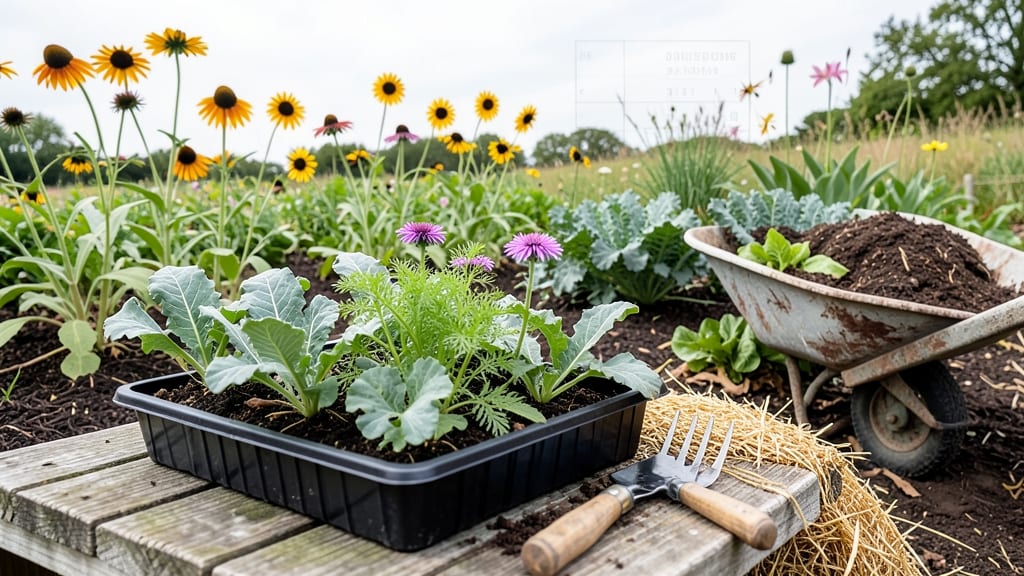
Planting your garden in Minnesota after the last frost—typically mid-May—sets the stage for a bountiful harvest or a season of frustration, depending on timing.
Minnesota’s unpredictable frost dates can turn your gardening dreams into a guessing game—but timing your plantings correctly means the difference between a thriving harvest and a wasted season.
Cool-season crops like peas and lettuce can go in as early as April, while warm-season favorites like tomatoes and peppers need to wait until soil temperatures hit 50°F or higher. Fall planting in August-September extends the season for hardy greens and root vegetables.
Below, I’ll break down the exact frost-free windows by region, the best crops for each planting window, and how to protect your 🌱 General Garden Plants from late surprises.
Minnesota’s frost-free dates by region: when to start planting
Minnesota’s frost-free dates vary dramatically from north to south, making it critical to know your USDA hardiness zone (3b-5b) before planting.
The Northland (Zone 3b-4a) often waits until late May, while the Twin Cities (Zone 4b) can plant by mid-May, and the Southeast (Zone 5a) may see frost-free conditions as early as early May. These differences impact everything from warm-season crops like tomatoes to cool-season greens like spinach.
Cool-season crops—such as lettuce, peas, and kale—thrive when planted 4-6 weeks before the last frost. Meanwhile, warm-season plants like beans, cucumbers, and peppers need to wait until soil temperatures reach 50°F+ and all frost risk has passed.
Understanding these timelines helps you avoid frost damage or stunted growth.
Here’s a breakdown of last frost dates by region, along with ideal planting windows for both cool-season and warm-season crops:
| Region | USDA Zone | Last Frost Date | First Frost Date | Cool-Season Planting Window | Warm-Season Planting Window | Fall Planting Window |
|---|---|---|---|---|---|---|
| Northern MN (e.g., International Falls, Duluth) | 3b-4a | May 20–25 | September 15–20 | April 10–May 10 | June 1–June 15 | August 1–August 15 |
| Central MN (e.g., St. Cloud, Brainerd) | 4a-4b | May 10–15 | September 20–25 | April 1–May 1 | May 20–June 5 | August 10–August 25 |
| Southern MN (e.g., Minneapolis, Rochester) | 4b-5a | May 5–10 | September 25–October 1 | March 25–April 15 | May 10–May 25 | August 20–September 10 |
| Southeast MN (e.g., Winona, Red Wing) | 5a | April 25–May 5 | October 1–5 | March 15–April 1 | April 25–May 10 | August 30–September 15 |
For cool-season crops, like spinach or carrots, start seeds indoors in March or direct-sow 4-6 weeks before your region’s last frost. In the Northland, this might mean waiting until mid-April, while the Southeast can plant as early as mid-March.
These early plantings give you a head start on the growing season and maximize your harvest before summer heat sets in.
Warm-season crops, such as tomatoes, peppers, and squash, are far more sensitive to frost. Wait until after Memorial Day in most regions to plant these heat-loving plants, as soil temperatures below 50°F can stunt their growth.
In Zone 3b, this might mean waiting until early June, while Zone 5a gardeners can plant as early as mid-May.
Don’t overlook fall planting, which is just as important as spring. Many cool-season crops, like kale, broccoli, and radishes, thrive in Minnesota’s cool autumn temperatures.
Plant these 2-3 months before the first frost—typically late July to mid-August in the North and early September in the South. This strategy lets you enjoy fresh harvests long after summer’s end.
Protect your early plantings with row covers or cold frames if frost threatens. These tools can extend your growing season by 2-4 weeks, giving delicate plants like cucumbers or eggplants extra time to mature. Always monitor local weather forecasts and use frost cloth when temperatures dip below 32°F.
Finally, soil temperature matters just as much as air temperature. Use a soil thermometer to confirm your soil is warm enough for warm-season crops—most need 60°F+ for optimal germination.
In Minnesota, this often means waiting until late May or early June, depending on your region. Patience here pays off with stronger, healthier plants.
By aligning your planting schedule with your region’s frost-free dates and USDA zone, you’ll avoid common pitfalls like frost damage or slow growth. Start with these guidelines, then adjust based on your local microclimate—your garden will thank you with a bountiful harvest! 🌱
Best planting schedule for Minnesota crops: a month-by-month guide
Minnesota’s short growing season demands precision when planning your garden. Warm-season crops like tomatoes and peppers need to wait until after the last frost date (typically mid-May in most regions), while cool-season crops like peas and spinach can handle earlier plantings.
Understanding these timelines ensures you maximize your harvest before first frost arrives in mid-September.
Succession planting is your secret weapon in Minnesota. By staggering plantings every 2-3 weeks, you can extend harvests and avoid gluts. For example, planting lettuce every 10 days in early spring and late summer keeps your salad bowl full.
This strategy works especially well for fast-growing crops like radishes and bush beans.
| Crop | Planting Time | Succession Planting | Harvest Window | Notes |
|---|---|---|---|---|
| Peas | Early April - Mid-May | Every 2 weeks | June - July | Tolerates light frost |
| Lettuce | April, August | Every 10 days | June, Sept-Oct | Bolts in heat |
| Potatoes | Late April - Early May | None | July - August | Plant seed potatoes |
| Tomatoes | After last frost (May 15-30) | None | July - September | Use row covers early |
| Carrots | April - June, Aug | Every 3 weeks | June - Oct | Loosen soil |
| Green Beans | After last frost (May 15-30) | Every 2 weeks | July - August | Bush or pole |
| Kale | April, August | Every 3 weeks | June, Sept-Oct | Sweetens after frost |
| Zucchini | After last frost (May 15-30) | None | July - September | Needs space |
| Radishes | April, June, Aug | Every 10 days | May, July, Sept | Fast-growing |
For cool-season crops, start planting as early as late March under row covers. Peas and spinach can handle light frosts and even thrive when temperatures dip.
My go-to early crop is spinach—plant it in March or early April for a harvest by June, then replant in late July for a fall crop.
Warm-season crops like tomatoes and peppers need to wait until soil warms to at least 50°F. In Minnesota, this usually means mid-to-late May. Use black plastic mulch to warm soil faster and protect against late frosts.
I always plant tomato seedlings after Memorial Day to ensure they establish before summer heat arrives.
Don't forget about fall planting! Many crops like kale, carrots, and radishes can be sown as late as mid-August for harvests before winter. This is my favorite way to extend the season—just calculate 80-90 days before your first frost and work backward.
For example, if frost hits September 15th, plant <