
Planting
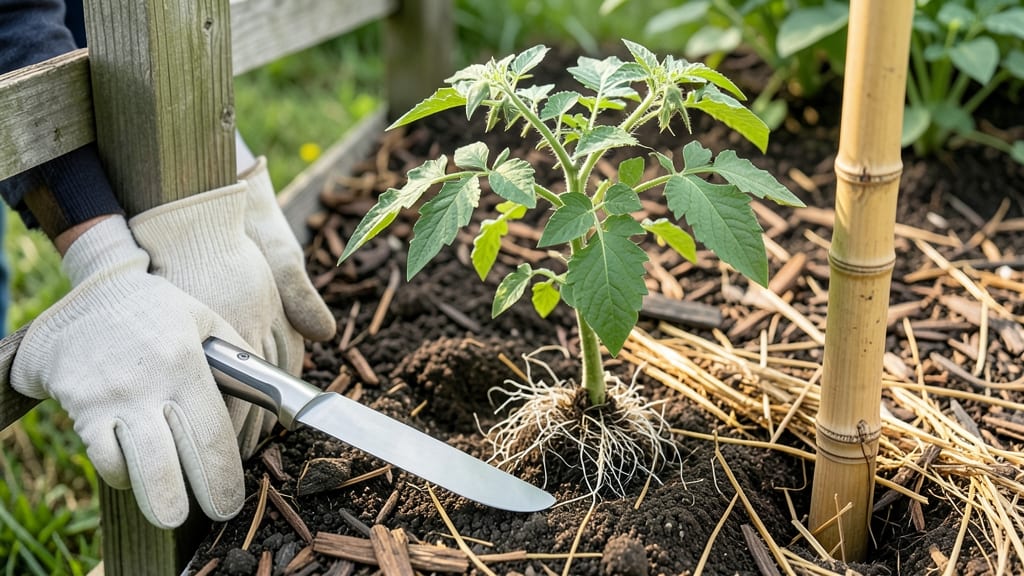
Planting tomato seedlings in the garden at the right time means the difference between a thriving 🍅 harvest and a season of disappointment.
Timing your tomato seedlings perfectly can mean the difference between a bumper crop and a sad, wilted disappointment—soil temperature is the secret weapon most gardeners overlook.
In USDA Zone 6a, where spring lingers and nights can still dip below 50°F, rushing to plant too early often leads to stunted growth or worse. But wait too long, and you’ll miss the sweet spot for a summer-long harvest.
This guide reveals the exact soil temperature tricks to plant your seedlings for faster growth, plus regional adjustments so you never guess again—whether you’re in a cool climate or a warm one.
Optimal soil temperature for planting tomato seedlings (and how to check it)
Tomato seedlings need warm soil to thrive—cold temperatures shock their delicate roots, slowing growth or even killing them. The ideal soil temperature range for planting is between 50°F and 60°F (10°C–15°C).
Below 50°F, roots struggle to absorb nutrients, while above 60°F, seedlings can bolt (shoot up too fast) or develop weak stems. Checking your soil’s warmth ensures your tomatoes get off to a strong start, avoiding common pitfalls like stunted growth or disease susceptibility.
Many gardeners rely on last frost dates to time their planting, but soil temperature tells a more accurate story. A late frost can leave cold soil behind, while an early frost might find your tomatoes already established in warm earth.
The key is monitoring both air and soil temps—especially in spring when days warm up faster than the ground. For example, in USDA Zone 6, daytime temps might hit 70°F by May, but soil could still linger at 45°F, delaying planting by weeks.
Testing soil temperature is simpler than you think. Professional gardeners use soil thermometers, but budget-friendly DIY methods work too. For a quick check, press your finger 2–3 inches deep—if it feels cooler than your wrist, the soil is too cold.
Another trick: place a thermometer in a cup of water buried in the garden for 30 minutes. For precision, invest in a digital probe thermometer (under $20), which gives instant readings without disturbing the soil.
If your soil is stubbornly cold, don’t wait for "perfect" conditions—warm it up naturally. Lay down black plastic mulch 1–2 weeks before planting to absorb sunlight and raise temps by 5–10°F.
For organic gardeners, try straw or grass clippings (3–4 inches thick), which decompose slowly and add warmth. Another trick: plant tomatoes near sun-loving companions like basil or marigolds, which reflect heat back into the soil. Avoid over-fertilizing cold soil—excess nitrogen speeds up growth but weakens roots in chilly conditions.
Timing isn’t just about the calendar; it’s about reading your garden’s cues. Watch for warm nights (above 50°F) and consistent daytime highs of 65°F+. If your seedlings have 4–6 true leaves and your soil hits 55°F, they’re ready to go in the ground.
Harden them off first by gradually exposing them to outdoor temps for 7–10 days—this toughens their stems so they’re not shocked by the temperature shift. Remember, rushing leads to failure, but waiting too long cuts your harvest window short.
One common mistake is assuming air temperature equals soil temperature. A sunny 70°F day can hide 45°F soil—always check below the surface. For container gardeners, soil warms faster, but pots also dry out quicker. Use a moisture meter alongside your thermometer to avoid over- or under-watering.
In my own garden, I’ve seen seedlings thrive in 58°F soil but wilt in 65°F air because their roots couldn’t keep up with the heat stress.
For gardeners in USDA Zones 3–5, extend your season with row covers or a mini greenhouse over seedlings until soil warms.
In Zones 7–10, plant heat-tolerant varieties like 'Solar Fire' or 'Heatmaster' if soil temps climb above 70°F. No matter your zone, consistency is key—tomatoes hate temperature swings. Aim for a 10°F daily range (e.g., 60°F days, 50°F nights) for the best results.
With these tricks, you’ll outpace frost and grow tomatoes that burst with flavor instead of struggling to survive.
Start testing your soil now—even if you’re not ready to plant. Weekly checks in late winter reveal when your garden is truly ready. Use a spreadsheet to track temps over 30 days; patterns emerge that calendar dates miss.
For example, my Zone 6 garden hits 55°F soil by mid-May, but a cold snap in 2022 delayed planting until June. By monitoring, I adjusted my schedule and still got a record harvest that year.
When to plant tomato seedlings by region: frost dates vs. soil warmth
Your local last frost date is just the starting point—soil temperature and nighttime warmth are the real game-changers for tomato success. Tomatoes need consistent warmth (soil at 50°F+ and nights above 50°F) to thrive, or they’ll develop blossom end rot or stunted growth.
But here’s the catch: your calendar’s frost date might not match your soil’s reality. Microclimates, elevation, and even last year’s weather can shift your planting window by 2–4 weeks. Let’s break it down by USDA zone so you can plant with confidence.
First, calculate your true last frost date—not the average. Check local records for the 10-year average of the last frost in your area, then adjust for your yard’s specifics. A south-facing slope warms faster than a shady spot, and urban areas often stay warmer than rural zones.
For example, if your zone 6’s average last frost is May 10, but your garden sits in a frost pocket, you might need to wait until May 25. Hardening off seedlings (acclimating them to outdoor conditions) should start 7–10 days before transplanting to avoid shock.
| USDA Zone | Last Frost Date (Avg.) | Soil Warmth Goal (°F) | Ideal Planting Window | Trick for Cold Climates |
|---|---|---|---|---|
| 3–4 | May 20–June 5 | 55°F+ (use row covers) | June 1–15 (after soil hits 55°F) | Plant in black containers or under hoop houses. |
| 5 | May 5–15 | 50°F+ | May 15–30 (soil at 55°F+) | Use straw mulch to warm soil faster. |
| 6 | April 15–May 1 | 50°F+ | April 25–May 15 (soil at 50°F+) | Plant early varieties (e.g., 'Stupice') for faster harvests. |
| 7–8 | March 15–April 15 | 55°F+ | March 30–April 30 (soil at 60°F+) | Plant heat-tolerant varieties (e.g., 'Solar Fire'). |
| 9–10 | February 15–March 15 | 60°F+ | February 20–March 15 (soil at 60°F+) | Use shade cloth in peak summer to prevent sunscald. |
If you’re in a warmer zone (9–10), don’t wait too long—tomatoes planted after March 15 risk bolting (premature flowering) from heat stress. In cooler zones (3–5), extend your season with row covers or cold frames to plant as early as April 1 if soil temps hit 50°F.
Pro tip: Use a soil thermometer ($10 at garden centers) to confirm warmth—calendar dates alone won’t cut it. For container gardening, soil warms faster, so you can plant 2–3 weeks earlier than in-ground.
One more critical step: harden off seedlings properly. Move them outdoors for 2–3 hours daily, gradually increasing time over 7–10 days. Start with morning sun only, then add afternoon exposure. Skip this, and you’ll risk transplant shock, where seedlings wilt dramatically after planting.
If your seedlings are 6–8 inches tall with 4–5 true leaves, they’re ready for the garden—just don’t rush! Wait for that soil thermometer reading of 50°F+