
Planting
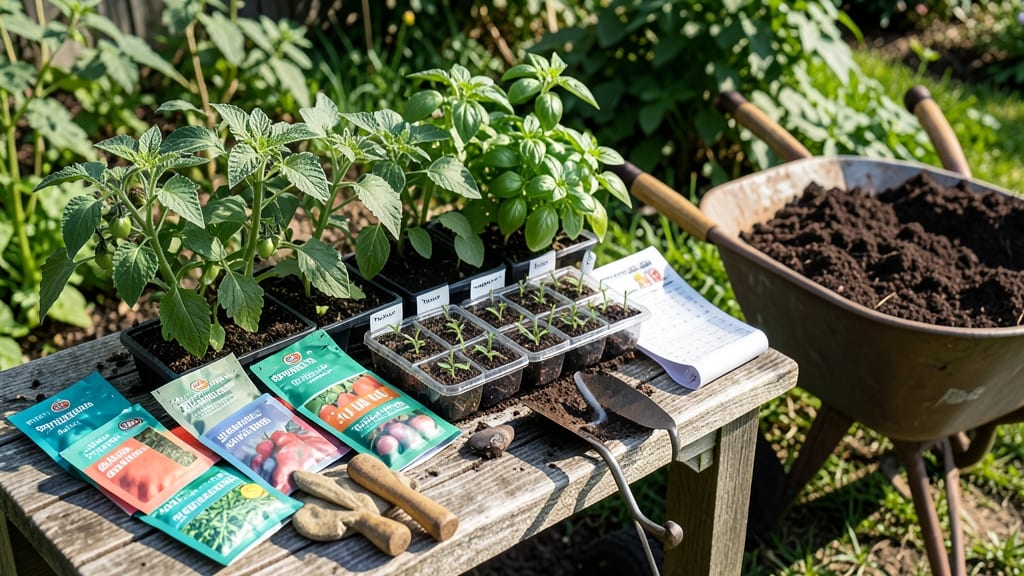
Planting your garden in Tennessee at the right time means the difference between a bountiful harvest and a frost-killed disaster—especially in Zone 7A, where last frost can swing from mid-March to early April.
If you’ve ever watched your seedlings wilt overnight or missed the window for warm-season crops, you know how brutal timing can be. Tennessee’s unpredictable spring weather makes a precise planting schedule your secret weapon.
Here’s the breakdown you need: when to start cool-season crops like spinach and peas, how to time warm-season staples (think tomatoes and peppers), and how to adjust for microclimates—because Nashville’s last frost isn’t Chattanooga’s.
By the end, you’ll know exactly when to plant General Garden Plants 🌱 for maximum growth, plus how to stretch your season with row covers and heat-tolerant varieties.
Tennessee zone 7A planting deadlines by season (vegetables & flowers)
Tennessee’s Zone 7A climate offers a 220-day growing season, but timing is everything. The average last frost date falls between March 15-31 (earlier in West TN, later in East TN), while the first frost typically arrives October 15-31.
These windows determine whether your tomatoes thrive or your peas wilt—so let’s break it down by season.
For cool-season crops like spinach and kale, plant 4-6 weeks before your last frost (early February to mid-March). Warm-season favorites such as tomatoes and peppers need to wait until soil temperatures hit 60°F (usually April 15-May 1 in most of TN). Flowers like marigolds are versatile—they tolerate both spring and fall plantings, but zinnias prefer warmer soil.
Here’s your Tennessee Zone 7A planting timeline, including microclimate adjustments for Nashville, Chattanooga, and Memphis. Use this as your garden’s roadmap to avoid common timing mistakes.
| Plant Type | Best Planting Window | Sun Needs | Soil Temp Requirement | Notes |
|---|---|---|---|---|
| Cool-Season Vegetables (spinach, peas, lettuce) | Feb 1 - Mar 15 (spring) / Aug 1 - Sep 15 (fall) | Full sun to partial shade | 40-50°F (can tolerate frost) | Plant 4-6 weeks before last frost. Use row covers for early starts. |
| Warm-Season Vegetables (tomatoes, peppers, cucumbers) | Apr 15 - May 15 (after last frost) | Full sun (6+ hours) | 60°F minimum | Wait for soil warmth. Start indoors 6-8 weeks before last frost. |
| Flowers (marigolds, zinnias, cosmos) | Mar 1 - Apr 30 (spring) / Jul 1 - Aug 15 (fall) | Full sun to partial shade | 50°F (marigolds) / 60°F (zinnias) | Marigolds are frost-tolerant. Zinnias need warm soil. |
| Herbs (basil, cilantro, parsley) | Mar 15 - Apr 1 (spring) / Aug 1 - Sep 1 (fall) | Full sun to partial shade | 50°F (cilantro) / 60°F (basil) | Basil bolts in heat—plant in fall for best results. |
| Perennials (lavender, daylilies, coneflowers) | Mar 1 - Apr 30 (spring planting) | Full sun (most) | 50°F (established roots) | Plant bare-root perennials in early spring for best establishment. |
In West Tennessee (Memphis), where springs arrive 1-2 weeks earlier, you can push warm-season crops into the ground by April 1. Meanwhile, East Tennessee (Chattanooga) may need to wait until May 1 due to later frosts.
Always check your local almanac for microclimate tweaks—a valley or hillside can shift your last frost date by 1-2 weeks.
For fall plantings, aim to sow cool-season crops by August 15 to ensure they mature before first frost. Marigolds and cosmos planted in July will bloom until frost, adding late-season color. Peppers and tomatoes can sometimes be extended into fall with row covers, but yields may drop.
Pro tip: Use frost cloth to protect early spring plantings if a late frost is forecasted. For warm-season crops, test soil temperature with a soil thermometer—60°F is non-negotiable for tomatoes and peppers. Zinnias and basil are your heat-loving allies in late summer.
Remember, Tennessee’s weather is unpredictable. If you’re in doubt, err on the side of planting later rather than risking
How to adjust planting dates for Tennessee’s unpredictable weather
Tennessee’s Zone 7A climate throws curveballs with unpredictable frost dates and sudden heat waves. I’ve learned the hard way that waiting for "perfect" conditions often means missing the planting window. The key is flexibility—using season-extending tools and heat-tolerant varieties to adapt when Mother Nature doesn’t cooperate.
Your location matters too. Nashville’s last frost typically arrives by March 15, while Chattanooga’s can linger until April 1. Even within 100 miles, microclimates create big differences. I’ll show you how to read local patterns and adjust your schedule without losing your entire season.
- 1. Use row covers for 2-4 week extensions on cool-season crops like spinach and lettuce. My floating row covers added 14 days to my cabbage harvest last spring!
- 2. Plant heat-tolerant varieties like 'Heatmaster' tomatoes or 'Solar Fire' peppers that thrive when temps hit 90°F+. These perform better than standard varieties in Tennessee’s summer heat.
- 3. Monitor soil temperature—not air temperature. Use a soil thermometer to confirm 60°F+ for warm-season crops. I’ve seen 50°F air temps with 70°F soil in full sun!
- 4. Adjust for elevation. Higher areas (like Great Smoky Mountains) get frost 1-2 weeks later than valleys. Add 7-10 days to your planting window if you're above 1,000 feet.
- 5. Plant succession crops every 2 weeks from April through July. This ensures continuous harvests even if early plantings fail due to late frosts or drought stress.
For warm-season crops, I start seeds indoors 6-8 weeks before my area’s last frost date. In Nashville, that means February 1 for tomatoes, while in Memphis, I wait until February 15.
Transplant outdoors only when nighttime temps stay above 50°F consistently—I’ve lost entire pepper plants when I rushed them out too early.
Cold frames and mini greenhouses let me start cool-season crops like broccoli and cauliflower as early as January 15 in protected beds. Last year, my cold frame extended my kale harvest until December 1—a full month beyond my usual cutoff!
Just remember to ventilate on warm days to prevent overheating.
Don’t forget to check local weather patterns. I track Almanac frost predictions but also watch NOAA’s 14-day forecasts for sudden cold snaps. When high pressure systems stall over the region, like they did in April 2021, temps can drop 20°F overnight.
Having emergency row covers saved my basil that year!
Finally, rotate your planting schedule yearly. If you planted tomatoes in April this year, try May next year—this simple shift often avoids soil-borne diseases that thrive in Tennessee’s humid summers. Small adjustments make all the difference when you’re working with unpredictable Tennessee weather.