
Planting
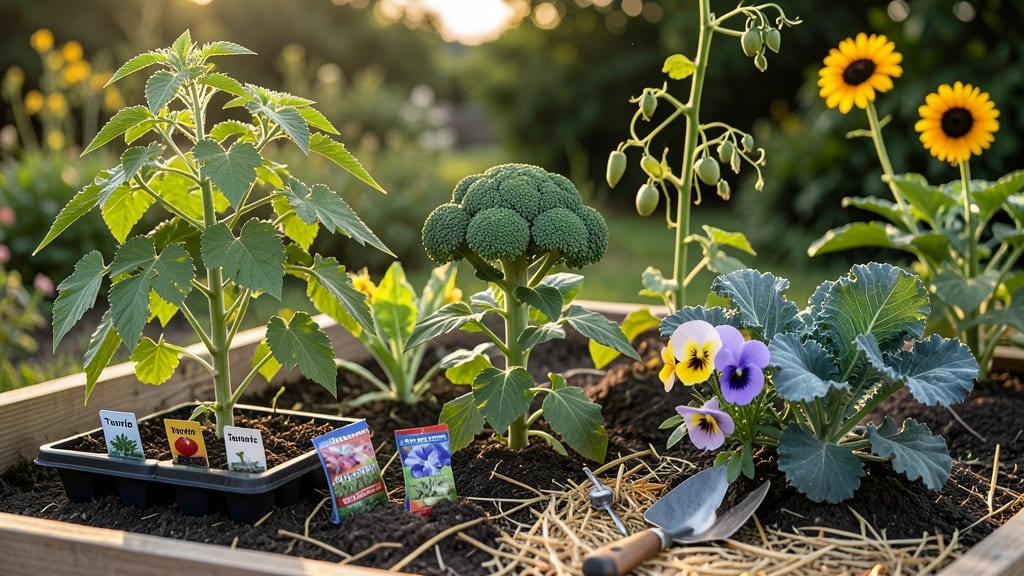
Planting your garden in East Tennessee after the last frost date—typically mid-April—sets the stage for a bountiful harvest of tomatoes, peppers, and greens 🌱.
But here’s the catch: East Tennessee’s unique climate—with its chilly mountain air and unpredictable spring shifts—can turn gardening into a high-stakes guessing game. Plant too early, and frost will wipe out your seedlings; too late, and you’ll miss the growing season entirely.
In Zones 7a and 7b, timing is everything. Cool-season crops like spinach and lettuce thrive when planted in early spring or late summer, while warm-season favorites need the soil to hit 60°F before going in.
Below, I’ll break down the exact frost-free dates for your zone, how to adjust for microclimates, and the 3 key mistakes that derail even the most well-planned gardens.
East Tennessee frost-free dates by Zone: 7a vs. 7b planting timeline
Understanding East Tennessee's frost-free dates is key to avoiding late spring freezes that can devastate your garden. Zone 7a (colder) typically sees its last frost around April 15th, while Zone 7b (warmer) averages April 1st.
These dates shift yearly, so checking local historical data is essential for timing warm-season crops like tomatoes and peppers.
Cool-season crops like spinach and kale can often handle light frosts and may be planted as early as late February in Zone 7b or early March in Zone 7a. However, frost-sensitive plants like basil and cucumbers should never go in until after your area's last frost date.
Here’s how to use these dates for your garden planning:
For warm-season crops, always wait until soil temperatures reach at least 60°F—a soil thermometer is your best friend here. In Zone 7a, this often means waiting until mid-May for maximum safety, while Zone 7b gardeners can start tomatoes and peppers as early as April 15th.
Cool-season crops like lettuce and spinach thrive in cooler temperatures and can even handle light frosts. Plant these 6-8 weeks before your expected last frost date.
For example, in Zone 7a, that means late February to early March for a spring harvest, while Zone 7b allows for earlier starts.
Don’t rely solely on USDA zone maps—they’re just a starting point. Microclimates in East Tennessee can vary dramatically. A south-facing slope in Knoxville might warm up 1-2 weeks earlier than a valley area, while urban heat islands can delay frost in cities like Chattanooga.
To extend your growing season, consider using row covers or cold frames to protect early plantings. For fall crops, start seeds indoors in July for a late-season harvest before the first frost, which typically hits around mid-October in both zones.
Always verify frost dates using local weather data from sources like the National Weather Service or CoCoRaHS. These tools provide hyper-localized information that can save your garden from unexpected frost damage.
Pro tip: Keep a garden journal to track your own frost dates over the years. This helps you adjust future planting schedules based on real-world observations rather than averages.
How to adjust planting dates for East Tennessee’s microclimates
East Tennessee’s mountain valleys and urban heat islands create wildly different gardening conditions—even just 20 miles apart. While Knoxville’s Zone 7b might be ready for tomatoes by late April, Gatlinburg’s Zone 6a could still face frost. Understanding these microclimates lets you fine-tune your planting schedule for success.
High-elevation areas like Great Smoky Mountains regions stay colder longer, while cities like Chattanooga experience "urban heat islands" that warm soil faster. The key is adjusting your planting dates based on soil temperature, not just air temperature. A simple soil thermometer can save your warm-season crops from early-season setbacks.
- 1. Check soil temperature: Warm-season crops (tomatoes, peppers) need 60°F+ soil. Use a soil thermometer at 4" depth—wait until temps stabilize.
- 2. Adjust for elevation: Gatlinburg (3,000+ ft) plants 2-3 weeks later than Knoxville. Use USDA Zone maps and local frost data.
- 3. Use row covers: Extend spring planting by 2-4 weeks with lightweight fabric. Remove when flowers appear to prevent pollination issues.
- 4. Choose cold-hardy varieties: Opt for early-maturing or frost-tolerant seeds like 'Early Girl' tomatoes or 'Winterbor' kale.
- 5. Extend the season: Use low tunnels or hoop houses to plant fall crops (spinach, carrots) until mid-October.
- 6. Succession plant: Sow lettuce or radishes every 2 weeks from April to September for continuous harvests.
- 7. Monitor urban heat: Paved areas warm faster—plant heat-sensitive greens (like Swiss chard) in shaded spots during summer.
For high-elevation gardens, start cool-season crops like broccoli and peas in early April, but delay warm-season crops until after Memorial Day. In urban areas, you might plant cucumbers in early May—just watch for sudden late frosts that can sneak in.
Pro tip: Use CoCoRaHS weather stations (free local data) to track frost risk. If your area has a history of late-spring frosts, err on the side of planting later or use frost cloth as a backup.
Don’t forget fall planting! East Tennessee’s mild winters let you grow garlic and onions in October for next year’s harvest. Just cover them with straw mulch to protect from freezing temperatures.
With these adjustments, you’ll turn East Tennessee’s unpredictable climate into an advantage—growing bountiful gardens no matter where you live in the region. Happy planting! 🌱