
Planting
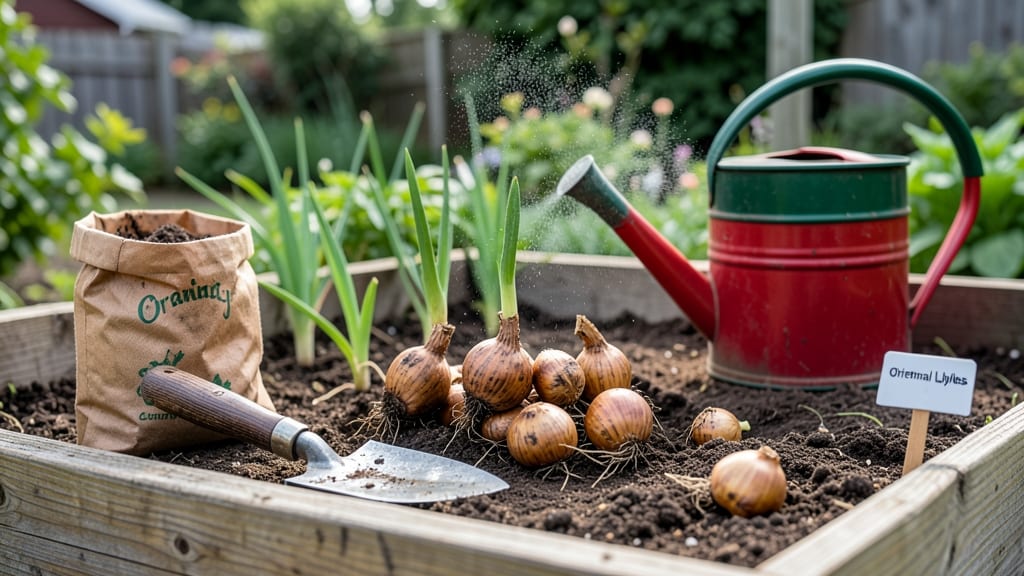
Planting lily bulbs in the garden at the right time means the difference between show-stopping blooms and a patch of disappointment.
Struggling to get your 🌸 lilies to thrive? The secret isn’t in the soil alone—it’s in the timing. Plant too early, and they’ll rot before winter. Too late, and they’ll miss their chance to root before frost.
Here’s how to nail the 4-6 week window before your first frost for strong, vibrant growth.
Most gardeners in USDA Zone 6a (and similar climates) should aim for late September to early November—but that’s just the start. Soil temperature, regional microclimates, and even bulb variety play a role.
I’ll walk you through the exact steps to prep your soil, choose the right depth, and avoid the three biggest mistakes that kill blooms before they begin.
By the end, you’ll know exactly when to plant for larger flowers, earlier blooms, and lilies that come back year after year—no guesswork required.
The ideal fall planting window for lily bulbs: exact months and climate zones
Timing is everything when it comes to planting lily bulbs. Unlike spring-planted bulbs, lilies thrive when planted in early fall—but the exact window depends on your USDA climate zone.
Plant too early, and bulbs may rot; too late, and they won’t establish roots before winter. Here’s how to nail the perfect moment for your region.
Lily bulbs need 4-6 weeks of cool soil temperatures before the ground freezes to develop strong roots. This means September through November is ideal for most gardeners, but your USDA zone dictates the precise timing.
Northern climates (zones 3-5) should plant earlier, while southern zones (8-10) can extend planting into late fall.
| USDA Zone | Ideal Planting Month | Soil Temp Requirement | Key Cue |
|---|---|---|---|
| 3-5 (Cold Climates) | Late August - Early October | 50-60°F (10-15°C) | 6-8 weeks before first frost |
| 6-7 (Temperate) | September - Mid-October | 55-65°F (13-18°C) | 4-6 weeks before frost |
| 8-10 (Warm Climates) | October - November | 60-70°F (16-21°C) | Avoid winter rains; plant after summer heat |
In USDA zones 3-5, where winters are harsh, aim to plant lily bulbs by mid-October at the latest. The ground should still be workable but cooling rapidly. Use a soil thermometer to confirm temperatures are between 50-60°F (10-15°C)—this signals bulbs will root before dormancy sets in.
Gardeners in zones 6-7 have more flexibility, with September through mid-October being ideal. Wait until daytime highs drop below 75°F (24°C) to prevent bulb stress. A quick check: if your mornings feel crisp but afternoons stay mild, it’s time to plant.
Southern gardeners in zones 8-10 can extend planting into November, but avoid soggy soils. The goal is to beat winter rains, which can cause rot. Plant after summer’s last heatwave—when soil temps hover around 60-70°F (16-21°C)—and mulch heavily to protect bulbs from erratic freezes.
Regional adjustments matter too. In Pacific Northwest zones (6-7), plant earlier to account for wet winters. In Southeast zones 8-9, delay until October to avoid hurricane season disruptions. Always check your local frost date—planting 4-6 weeks before ensures bulbs establish roots.
One common mistake? Planting too late in zones 3-5. If bulbs aren’t rooted by first frost, they’ll heave out of the ground or rot. Conversely, planting too early in warm zones (8-10) can trigger premature growth, leaving bulbs vulnerable to heat stress or pests.
Pro tip: Use a bulb planter or trowel to dig holes 6-8 inches deep and space bulbs 6-12 inches apart. Add a handful of compost or bone meal to the hole—this jumpstarts root growth. Water deeply after planting to settle the soil, but avoid waterlogging.
After planting, mulch with 2-3 inches of straw or pine needles to insulate bulbs. This protects against temperature swings and keeps soil moist during winter’s dry spells. Come spring, your lilies will reward you with bold, healthy blooms—all thanks to perfect fall timing.
🌸
5 Critical signs your lily bulbs are ready for fall planting (avoid common mistakes)
Fall is the perfect time to plant lily bulbs, but timing is everything. Planting too early or late can stunt growth or even kill your bulbs. Here’s how to spot the ideal planting window by checking these 5 key readiness signs before digging in.
First, examine your lily bulb firmness. Healthy bulbs should feel solid and heavy for their size—no soft spots or wrinkles. If they’re shriveled or light, they may be dormant or damaged, and planting them now could lead to poor blooms next summer.
Next, look for early root growth. When you gently peel back the outer scales, you’ll see tiny white roots forming. This means the bulb is actively preparing to grow and is ready for its new home in the garden soil.
🌱 Numbered Highlights: 5 Signs Your Lily Bulbs Are Ready
- 1. Bulb Firmness: Press gently—healthy bulbs feel firm and solid, not mushy or hollow.
- 2. Root Sprouts: Tiny white roots (1/4 inch long) mean the bulb is ready to grow in cooler soil.
- 3. Soil Temperature: Ideal range is 50–60°F—use a soil thermometer to check.
- 4. Weather Forecast: Plant 4–6 weeks before first frost—check local frost dates.
- 5. No Sprouting Shoots: If green shoots appear, plant immediately—they’ll die if exposed to frost.
Don’t ignore the soil temperature—it’s a game-changer. Lily bulbs thrive when soil cools to 50–60°F. Use a soil thermometer to confirm before planting. If it’s still too warm (above 65°F), wait a few weeks to avoid rot or premature sprouting.
Pay attention to the weather forecast, too. Planting too close to frost can damage emerging roots. Aim to finish 4–6 weeks before your first frost date. For example, in USDA Zone 6, that’s usually late September to early October.
Finally, watch for green shoots. If you see them, plant immediately—they won’t survive frost. This is a red flag that you’ve waited too long. Act fast to give your lilies the best chance to establish roots before winter.
By checking these signs, you’ll avoid common mistakes like planting too early (bulbs rot) or too late (frost damage). Happy planting—your lilies will thank you with bold blooms next summer! 🌸