
Tools
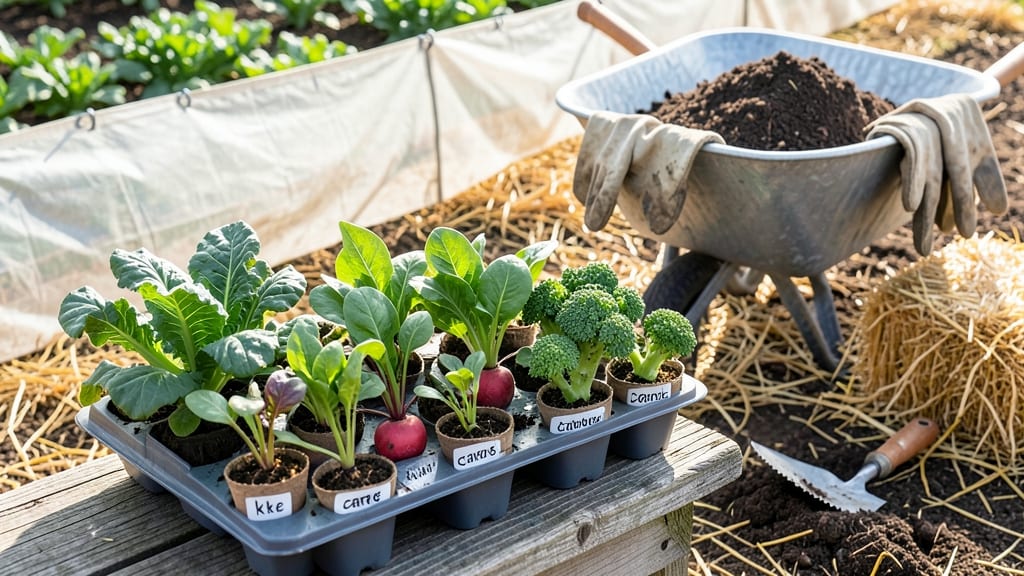
Starting a fall garden 4-6 weeks before your first frost is the secret to harvesting crisp greens and sweet roots when summer’s heat fades.
Timing your fall garden perfectly means the difference between thriving harvests and wasted seeds—especially when late frosts can ruin months of work. One wrong move, and you’re left with bolted lettuce or stunted carrots by November.
Cool-season crops like kale, spinach, and carrots love the crisp air of fall, but they need precise timing to mature before winter sets in. Plant too early, and they’ll bolt or go bitter; too late, and frost will nip them before they reach full flavor.
Below, I’ll break down the exact dates by USDA zone, how to adjust for your local climate, and which crops to prioritize for a zero-frost-risk harvest. Ready to turn your garden into a fall feast?
Fall planting dates by USDA hardiness Zone: avoid frost and maximize growth
Timing your fall garden correctly ensures your cool-season crops mature before hard frosts strike. In USDA Zones 3-10, planting windows vary by 2-4 weeks depending on your location.
I’ve broken down the exact planting dates for popular crops like kale, spinach, and carrots to help you avoid frost damage and maximize your harvest.
For example, gardeners in Zone 3 (like Minnesota) should start fall planting 8-10 weeks before frost, while those in Zone 10 (like Southern California) can plant as late as November.
The key is calculating your average first frost date and working backward based on each crop’s maturity timeline. Let’s dive into the specifics for your zone.
| USDA Zone | First Frost Date | Planting Window | Best Crops for Early Planting | Best Crops for Late Planting |
|---|---|---|---|---|
| 3 (e.g., Northern MN) | September 20 | July 20 - August 10 | Kale, Spinach, Carrots | Radishes, Lettuce, Arugula |
| 4 (e.g., Upstate NY) | October 5 | July 25 - August 15 | Broccoli, Brussels Sprouts, Peas | Turnips, Mustard Greens, Beets |
| 5 (e.g., Chicago) | October 15 | August 1 - August 20 | Cabbage, Cauliflower, Swiss Chard | Collard Greens, Spinach, Radishes |
| 6 (e.g., Kansas City) | October 30 | August 10 - September 5 | Lettuce, Arugula, Bok Choy | Kale, Spinach, Carrots |
| 7 (e.g., Dallas) | November 15 | August 20 - September 10 | Peas, Turnips, Beets | Collard Greens, Mustard Greens |
| 8 (e.g., Atlanta) | December 1 | September 1 - September 15 |
How to calculate your local fall planting window without risking frost damageGetting your fall garden timing right is all about understanding your local frost dates and how long your crops need to mature. One late frost can turn weeks of hard work into wasted seeds, so let me show you how to calculate your perfect planting window—no guesswork required. Start by finding your average first frost date for your area. This is the date when temperatures typically drop below 28°F (-2°C), signaling the end of your growing season. You can check the USDA Plant Hardiness Zone Map or local agricultural extension services for this critical data. Next, consider your crop maturity times. For example, radishes might mature in just 25 days, while Brussels sprouts need 90+ days. Planting too late means your sprouts won’t be ready before frost, but planting too early can lead to bolting or poor harvests. Step-by-Step Fall Planting Calculator
Pro Tip: Use row covers to extend your season by 2-4 weeks in cold climates.
Don’t forget to account for microclimate factors like elevation, nearby water bodies, or urban heat islands. A garden in a low-lying area might frost earlier than one on a hillside. Use a minimum thermometer to track nighttime temps for a few weeks to refine your timing. Finally, keep a gardening journal to track your actual frost dates and crop performance. Over time, you’ll fine-tune your planting schedule to match your unique growing conditions—leading to bigger harvests and fewer losses. With this method, you’ll avoid the heartbreak of frost-damaged plants and enjoy a bountiful fall garden every year. Happy planting! 🌱 |