
Tools
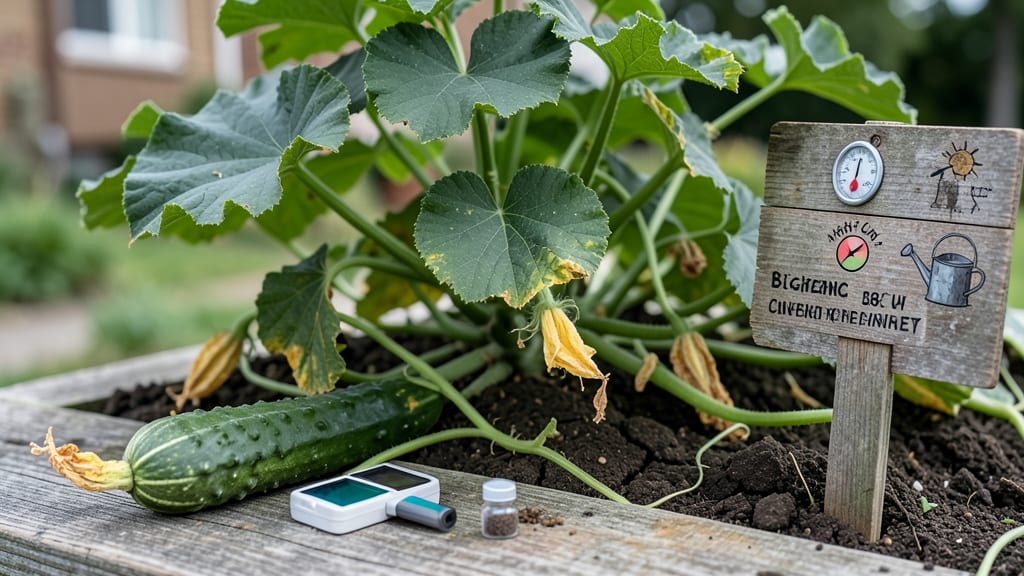
Your garden cucumbers taste bitter when they're overripe, underfed, or stressed by heat or drought — and the fix is simpler than you think.
Discovering bitter cucumbers in your garden can be frustrating—especially after months of care. The good news? Bitter cucumbers usually signal fixable growing conditions, not crop failure.
Whether it’s harvesting too late, skipping water, or soil lacking nutrients, small adjustments can turn your next batch into crisp, sweet 🥒 perfection.
Below, I’ll walk you through the top causes and easy fixes to keep your cucumbers flavorful all season long.
5 Common reasons your garden cucumbers taste bitter
There's nothing worse than slicing into a cucumber you grew yourself, only to find that bitter taste ruining the freshness. The good news? Most cases of bitter cucumbers stem from correctable growing conditions, not poor genetics.
Understanding the root causes lets you adjust your garden strategy quickly. From overripe harvesting to heat stress, each issue has a specific solution that can transform your next harvest into sweet, crisp perfection.
As a gardener who's spent years troubleshooting cucumber bitterness, I've found that 90% of cases fall into just five categories. The key is identifying which one applies to your garden. For example, if your cucumbers are small but bitter, the problem might be poor soil nutrients.
But if they're large and seedy with a harsh flavor, overripe harvesting is likely the culprit. Let's break down each cause with actionable fixes you can implement this week.
Let's start with the most common issue: overripe harvesting. Many gardeners assume cucumbers can stay on the vine indefinitely, but this misconception leads to bitterness. Cucumbers produce cucurbitacin, a natural chemical that becomes concentrated as they mature.
When you harvest at the right stage—typically 4-8 inches long—you avoid this bitter compound buildup. I recommend checking your vines every 2-3 days during peak growing season. Use a soft twist to test readiness; if the stem snaps cleanly, it's time to harvest.
Another frequent culprit is heat stress, especially in regions with summer temperatures above 90°F (32°C). When cucumber plants overheat, they ramp up cucurbitacin production as a defense mechanism. This is why your cucumbers might taste fine in spring but turn bitter by midsummer.
The solution? Provide afternoon shade using 30-50% shade cloth. I've seen dramatic improvements by installing shade just 2-3 feet above the plants during the hottest hours. For container growers, move pots to a shadier spot during peak heat.
Don't overlook soil nutrient deficiencies as a potential cause. Cucumbers need a balanced diet of nitrogen, phosphorus, and potassium to develop sweet flesh. A deficiency in magnesium (common in sandy soils) or boron can also trigger bitterness.
The fix is simple: conduct a soil test and amend with compost or a balanced fertilizer (5-10-10). For a quick boost, mix 1 tablespoon of Epsom salt into the soil around each plant. This provides magnesium and often resolves bitter flavor within 2-3 weeks.
Watering issues often fly under the radar, but inconsistent moisture is a major contributor to bitter cucumbers. Cucumbers have shallow roots that need constant hydration. When soil dries out, the plant goes into stress mode and produces bitter compounds. The solution?
Water deeply (1-1.5 gallons per plant) at the soil level every 2-3 days. Avoid overhead watering, which can spread disease. For container-grown cucumbers, check moisture daily—pots dry out much faster than garden beds. Mulching with straw or shredded leaves helps retain moisture and keeps roots cool.
Finally, some bitterness comes down to genetics. Not all cucumber varieties are created equal when it comes to flavor. Wild-type or heirloom varieties often have higher cucurbitacin levels, making them naturally bitter. If you've ruled out the other causes and still struggle, it's time to switch varieties.
Look for sweet cucumber types like 'Sweet Success' (great for slicing) or 'Straight Eight' (ideal for pickling). These varieties are bred for milder flavor and better resistance to bitterness. I've had the best luck with hybrid varieties, which often combine sweetness with disease resistance.
Remember, the key to sweet cucumbers is consistency. Monitor your plants daily for harvest readiness, protect them from extreme heat, maintain balanced soil nutrients, and keep the soil evenly moist.
With these adjustments, you'll be enjoying crisp, sweet cucumbers straight from your garden in no time. The first step is identifying which of these five issues applies to your garden—then it's just a matter of implementing the fix.
How to adjust growing conditions for sweeter cucumbers
Sweet cucumbers start with the right growing conditions. Harvest timing, soil nutrients, and watering consistency directly impact flavor. Let’s fix these common issues to restore that crisp, sweet taste you love.
First, harvest cucumbers at the right stage. Overripe fruit develops bitter compounds called cucurbitacins. Check for firm skin and 6–8 inch length (varies by variety). Regular harvesting also encourages more production.
If your cucumbers are growing in hot climates, they may need shade. 30–50% shade cloth can reduce heat stress, which triggers bitterness. Install it during peak afternoon sun (12 PM–4 PM) for best results.
Soil health plays a huge role. Test your soil’s pH (6.0–6.8 is ideal) and amend with compost or aged manure if nutrients are lacking. A balanced 5-10-10 fertilizer applied every 4–6 weeks keeps plants thriving.
Watering is another critical factor. Inconsistent moisture causes stress, leading to bitter cucumbers. Aim for 1–1.5 gallons per plant, watering deeply in the morning only. Mulch around plants to retain moisture and prevent soil fluctuations.
⚠️ callout warning ⚠️
Bitter cucumbers often signal heat stress or overripe fruit. If temps exceed 90°F (32°C), cucumbers produce cucurbitacins, a natural defense compound. Even uneven watering or poor soil drainage can trigger bitterness. Check for these signs:
- ✅ Yellowing leaves = Nutrient deficiency
- ✅ Wrinkled skin = Drought stress
- ✅ Hard, seedy fruit = Overripe
Fix it fast: Adjust watering, add shade, and harvest sooner!
For extra sweetness, try hand-pollinating flowers if bees are scarce. Gently shake vines or use a paintbrush to transfer pollen between male and female flowers. This ensures proper fruit development and reduces bitterness.
Finally, rotate crops next season. Planting cucumbers in the same spot yearly depletes soil nutrients, leading to flavor issues. Move them to a new location every 3 years for healthier plants and sweeter harvests.