
Vegetables
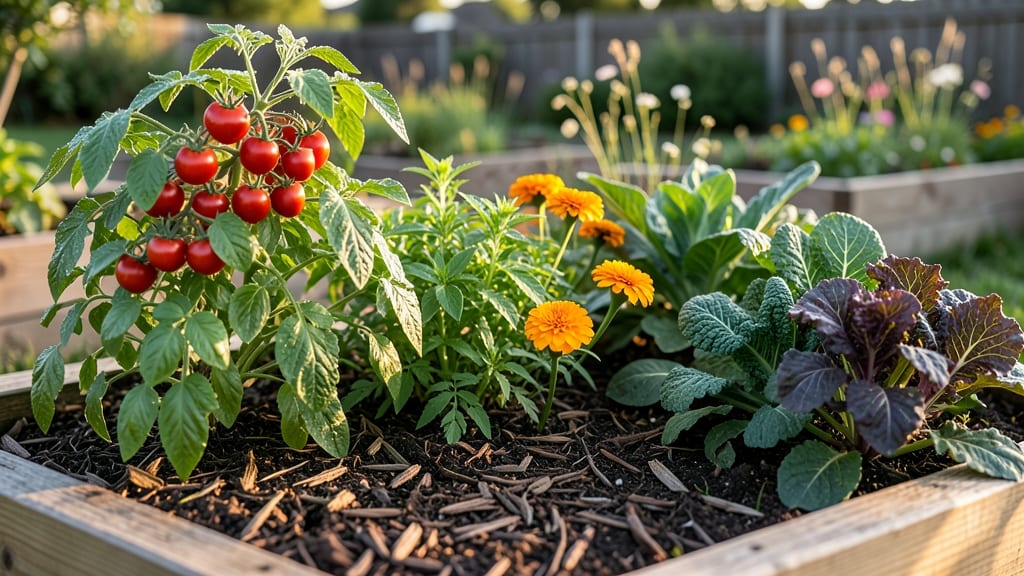
Human gardens exist because they fulfill deep biological, cultural, and emotional needs—from securing food supplies in early civilizations to providing modern-day stress relief and community connection through green spaces.
Gardening began as a survival strategy over 12,000 years ago when humans transitioned from hunting to farming, creating the first cultivated plots. 🌱 This shift didn't just feed populations—it built the foundations of modern societies by establishing trade networks, cultural traditions, and even religious practices tied to harvest cycles.
Today, those same instincts drive us to garden for both practical and psychological reasons, whether growing vegetables for meals or tending flowers for joy.
Modern research shows gardening reduces cortisol levels by up to 24% while increasing serotonin, making it a natural mood booster. Urban green spaces, like community gardens, also combat isolation by fostering collaboration—studies link them to stronger neighborhood ties and even lower crime rates.
The act of nurturing plants taps into an ancient human instinct: caring for life to ensure its continuity, whether for food, beauty, or simply the satisfaction of watching something grow.
💡 In This Article
- Evolutionary and Historical Reasons for Gardening
- Modern Psychological and Social Benefits of Gardening
Evolutionary and historical reasons for gardening
The transition to gardening began around 12,000 years ago during the Neolithic Revolution, when early humans shifted from nomadic hunting to settled farming. This shift was driven by food scarcity—wild plant populations couldn't sustain growing populations, so communities began selectively cultivating hardy crops like wheat and barley.
Archaeological evidence from sites like Çatalhöyük in modern-day Turkey shows early gardens with stone tools for digging and irrigation channels, proving this wasn't accidental but deliberate survival strategy.
Gardening didn't just feed bodies—it shaped societies.
The predictability of harvests allowed for population growth, which in turn created labor specialization (like pottery-making or tool crafting). 🌱 In ancient Egypt, gardens near the Nile became symbols of fertility and abundance, tied to religious practices where deities like Osiris were worshipped for agricultural blessings.
Meanwhile, Chinese dynasties like the Ming developed elaborate imperial gardens that combined practical vegetable plots with symbolic landscapes, reflecting Confucian ideals of harmony between humans and nature.
The physical layout of early gardens reveals their dual purpose: practicality and cultural expression. Roman villas often featured hortus conclusus (enclosed gardens) that grew herbs for medicine alongside decorative flowers, showing how even survival-based gardening incorporated beauty.
Native American "Three Sisters" gardens combined corn, beans, and squash in mutually beneficial arrangements—beans fixed nitrogen in the soil, squash shaded the ground to retain moisture, and corn provided structure for the others to climb.
What's fascinating is how these early systems still influence modern gardening. The 12-inch spacing between plants in traditional Native American gardens, for example, mirrors contemporary square-foot gardening techniques.
Even the 30-60 minute daily tending recommended by horticulturists today echoes the rhythmic care required by ancient agricultural societies to ensure survival during droughts or pests. The difference now? We garden as much for mental well-being as for sustenance.
Consider how seed saving—a practice dating back to early agricultural communities—has resurged in modern times. The Svalbard Global Seed Vault in Norway preserves 1.1 million seed samples from around the world, a direct descendant of ancient techniques where communities stored seeds in clay pots or animal hides.
This continuity shows how deeply gardening is woven into human identity, bridging millennia of adaptation and innovation.
The physical act of planting also created shared cultural rituals. The Japanese hanami cherry blossom viewing tradition stems from ancient agricultural festivals celebrating the first signs of spring growth. Similarly, European May Day celebrations originated as fertility rites tied to planting seasons.
These traditions remind us that gardening has always been more than practical—it's been a way to mark time, reinforce community bonds, and express cultural values through the cycles of growth and harvest.