
Pests
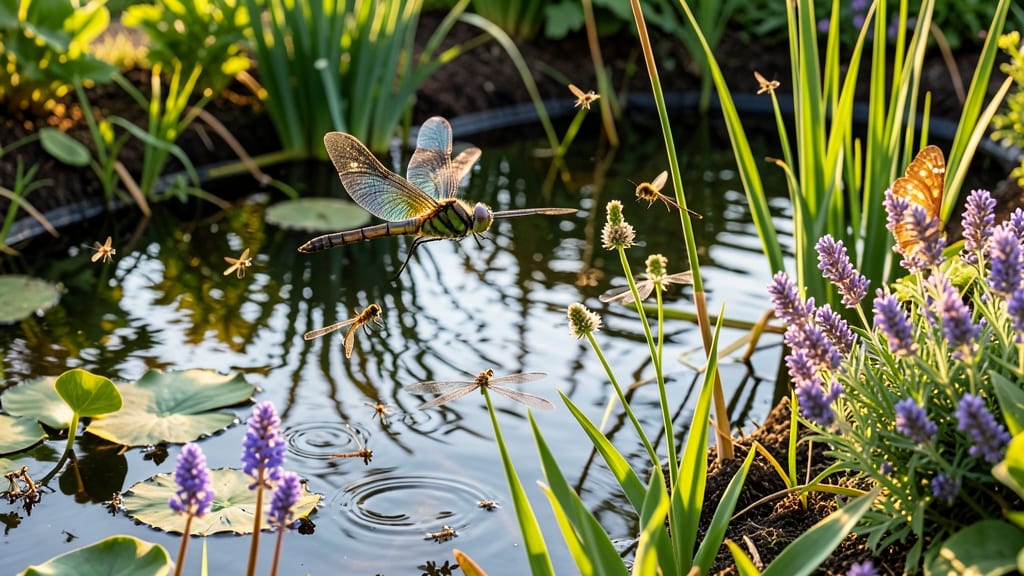
Dragonflies are good for the garden because they act as natural pest controllers by consuming mosquitoes, gnats, and other flying insects, all while supporting a healthy ecosystem without needing any human intervention or chemicals.
Dragonflies bring a dual benefit to gardens: their larvae feast on mosquito larvae in standing water, while adult dragonflies hunt flying pests like flies and aphids. 🌿 This makes them a natural, chemical-free solution for gardeners who prefer organic pest management.
Their presence also signals a balanced ecosystem, as they thrive in clean, pesticide-free environments where other beneficial insects can coexist.
What's especially fascinating is how dragonflies contribute to the garden's health beyond pest control. Their presence often indicates clean water sources and a thriving food chain.
To attract them, I recommend adding shallow water features like small ponds or even old tires filled with water—these become breeding grounds for dragonfly larvae. Planting native vegetation also helps, as it provides both shelter and food for adult dragonflies.
💡 In This Article
- How Dragonflies Act as Natural Pest Predators
- Creating a Dragonfly-Friendly Garden
How dragonflies act as natural pest predators
Dragonflies are nature's flying pest controllers, with their life cycle designed to target flying insects at every stage. The larvae, often called "mosquito hawks," live in water and hunt by sucking out the insides of mosquito larvae, tadpoles, and even small fish.
A single dragonfly larva can consume up to 200 mosquito larvae per day—that's more than its own body weight in prey! This aquatic phase alone makes them invaluable for gardens with ponds, birdbaths, or any standing water.
Once they emerge as adults, dragonflies become aerial predators with incredible precision. Their large, multifaceted eyes give them a 360-degree field of vision, allowing them to spot and intercept flying insects like flies, gnats, and aphids mid-air.
Studies show adult dragonflies can catch prey at speeds up to 30 miles per hour, making them one of the most efficient hunters in the insect world. Unlike bees or butterflies, they don't pollinate plants but instead focus solely on pest control, creating a perfect balance in garden ecosystems.
Their selective feeding habits make dragonflies ideal for organic gardeners. They avoid plants entirely, targeting only flying insects, which means they don't harm beneficial pollinators like bees or butterflies.
This targeted approach reduces the need for chemical pesticides, which often kill beneficial insects indiscriminately. 🌿 What's more, dragonflies prefer gardens with clean water sources and diverse plant life, which naturally repels many common garden pests.
Dragonfly populations thrive in environments with minimal human interference. Unlike ladybugs or lacewings, which require specific plants for shelter, dragonflies are adaptable and can be attracted with simple water features.
Their presence often indicates a healthy ecosystem where other beneficial insects can also flourish. This makes them a low-maintenance, high-impact solution for gardeners looking to reduce pests naturally.
Consider this comparison: A single dragonfly can consume thousands of mosquitoes over its lifetime, while chemical sprays might only provide temporary relief and harm other wildlife. Their predatory behavior creates a ripple effect, reducing the overall insect population without disrupting the garden's natural balance.
This is why many organic gardeners actively encourage dragonfly habitats in their landscapes.
What most people don't realize is how dragonflies contribute to the garden's long-term health. By controlling pest populations, they reduce the need for chemical interventions, which can degrade soil quality and harm beneficial microorganisms.
Their presence also supports biodiversity, as other wildlife like birds and frogs rely on the same insects they hunt. This creates a self-sustaining cycle where the garden thrives with minimal human input.