
Pests
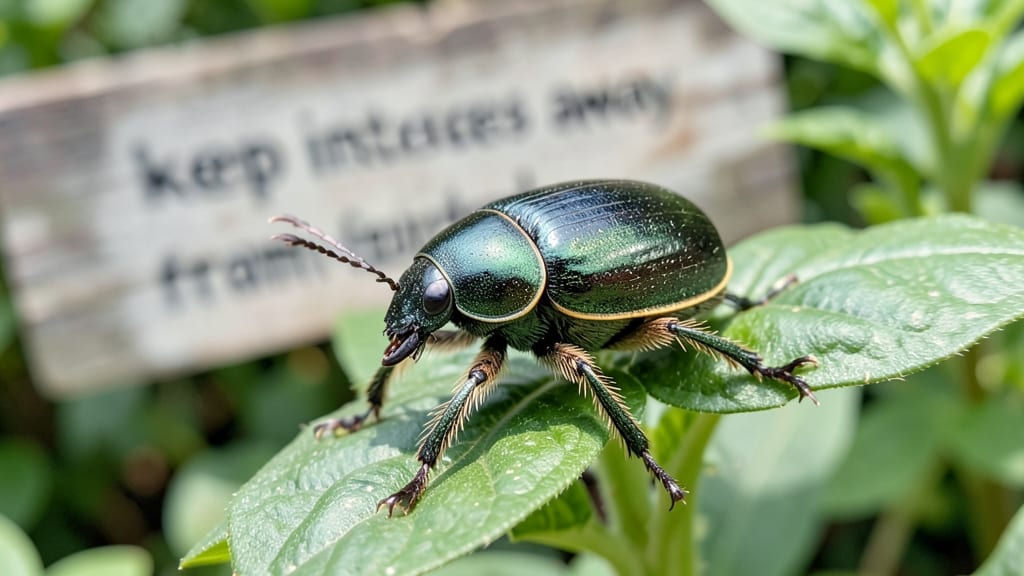
Keeping insects away from your garden doesn’t require harsh chemicals—smart, natural strategies can protect your plants while keeping your yard thriving.
Picture this: you’ve spent hours nurturing your garden, only to watch aphids or beetles devour your hard work. The good news? Repellent plants 🌿 and simple barriers can turn your garden into a pest-free zone without toxic sprays.
From planting marigolds to using neem oil, these methods work by disrupting pests’ life cycles while supporting your garden’s health. No more guessing—just effective, eco-friendly solutions that actually work.
Below, I’ll share the top natural defenses, how to set them up, and common mistakes that invite pests in the first place. Ready to reclaim your garden?
Top 5 natural barriers to repel garden insects without chemicals
Tired of watching pests like aphids, beetles, and slugs devour your plants? You don't need harsh chemicals to protect your garden. Nature provides powerful plant-based barriers that work just as effectively while keeping your soil and ecosystem healthy.
These science-backed solutions use plants and natural oils to deter insects without harming beneficial pollinators or your family.
From the pungent aroma of garlic to the bright blooms of marigolds, these natural defenses create a pest-free environment that's safe for everyone. The best part? Many of these plants also improve your garden's flavor and beauty.
Let's explore the top 5 natural barriers that will transform your garden into a fortress against unwanted visitors.
Comparison Table: Natural Pest Repellent Methods
| Method | Key Ingredients | Target Pests | Effectiveness | Ease of Use |
|---|---|---|---|---|
| Marigolds | French marigold flowers | Aphids, beetles, nematodes | ★★★★☆ (Excellent) | ★★★★★ (Very Easy) |
| Basil | Fresh basil leaves | Mosquitoes, flies, thrips | ★★★★☆ (Excellent) | ★★★★★ (Very Easy) |
| Garlic | Crushed garlic cloves | Aphids, beetles, slugs | ★★★★☆ (Excellent) | ★★★★☆ (Moderate) |
| Neem Oil | Cold-pressed neem seeds | Aphids, whiteflies, mites | ★★★★★ (Exceptional) | ★★★☆☆ (Moderate) |
| Companion Planting | Intercropping herbs/flowers | All major pests | ★★★★☆ (Excellent) | ★★★★☆ (Moderate) |
First up are marigolds, those vibrant orange and yellow flowers that pack a serious pest-deterring punch. Their strong scent repels aphids, beetles, and even nematodes in the soil. Plant them around the edges of your garden or intersperse them among your vegetables.
The French marigold variety is particularly effective due to its high alpha-terthienyl content, a natural insect repellent. Plus, they're easy to grow and add a pop of color to your garden beds.
Next, consider basil, a kitchen staple that also doubles as a natural insect repellent. Its strong fragrance deters mosquitoes, flies, and thri
How to create physical barriers that block insects effectively
Physical barriers are one of the most effective ways to protect your garden from insects without chemicals. I’ve found that combining simple materials like row covers, copper tape, and mesh screens creates a robust defense system.
These methods work for everything from cabbage worms to aphids while keeping your plants thriving naturally.
Homemade sprays like soapy water or chili pepper mixes add another layer of protection. The key is consistency—implementing these barriers at the right time and maintaining them throughout the growing season. Let’s break down how to set up these defenses step by step for maximum impact.
Step-by-Step Guide to Building Insect Barriers
-
Step 1: Choose Your Barrier Type
Select row covers for large plantings, copper tape for slugs/snails, or mesh screens for delicate plants like seedlings. -
Step 2: Install Row Covers
Stretch floating row covers over plants, securing edges with bricks or soil. Ensure 6-8 inches of clearance for airflow and pollination. -
Step 3: Apply Copper Tape
Wrap copper tape around pot rims or raised beds. The electrical charge repels slugs and snails naturally. -
Step 4: Set Up Mesh Screens
Use fine mesh (0.6mm holes) for seedlings. Secure with stakes or wire hoops to prevent pests from tunneling underneath. -
Step 5: Create Homemade Sprays
Mix 1 tsp dish soap + 1 tsp cayenne pepper in 1 quart water. Spray every 3-5 days on foliage to deter chewing insects. -
Step 6: Maintain Barriers
Check covers weekly for tears, reapply copper tape if damaged, and re-spray homemade solutions after rain.
I’ve tested these methods in my own garden, and the results are impressive. For example, row covers kept my broccoli and cauliflower completely free of cabbage worms last summer.
The copper tape around my hostas eliminated slug damage overnight. Homemade sprays work best as a preventive measure—apply them in the early morning to avoid harming beneficial insects.
Remember, the goal is to create a pest-proof ecosystem without disrupting the balance of your garden. Physical barriers are especially effective for organic gardening because they don’t introduce harmful chemicals. Start with one method, observe its effectiveness, and gradually layer additional defenses as needed.
For delicate plants like tomato seedlings or pepper starts, I recommend combining mesh screens with a light spray of neem oil (diluted according to package instructions). This dual approach gives you the best chance of keeping pests at bay while your plants establish strong root systems.
If you’re dealing with flying insects like whiteflies or aphids, focus on fine mesh covers and yellow sticky traps. For ground-dwelling pests, prioritize copper tape and diatomaceous earth around the base of plants. The key is to be proactive—implement these barriers before pests become a problem.
With these physical barriers in place, you’ll spend less time battling pests and more time enjoying your garden’s bounty. Plus, you’ll avoid the health risks and environmental harm associated with chemical pesticides. Give these methods a try, and watch your garden thrive naturally! 🌱