
Advice
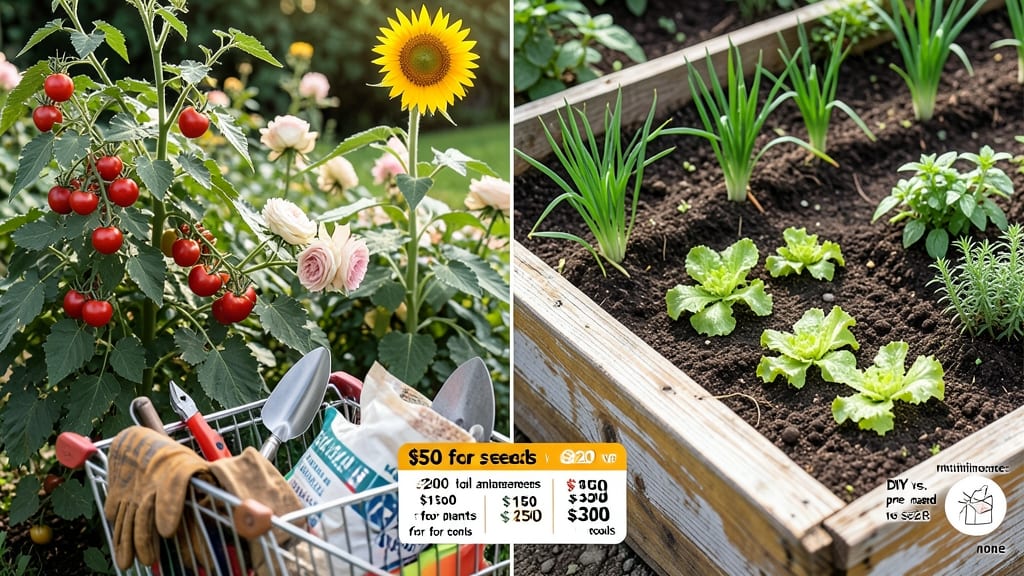
The average cost of creating a garden typically spans $500 to $5,000+, with variations based on garden size, regional pricing, and plant choices. A modest 50 sq ft backyard garden often costs between $200–$800, while expansive landscape projects exceeding 1,000 sq ft can climb past $10,000 for materials, soil preparation, and professional services. Local climate conditions and plant availability play major roles in determining final costs.
Planning a garden budget requires looking beyond just plant costs—soil amendments, irrigation systems, and labor can quickly add up. 🌱 For example, drought-prone regions might require expensive water-saving systems, while urban areas often face higher labor rates.
I've seen projects where the biggest surprise was the soil prep alone, which can cost $500+ for large spaces. Smart shoppers prioritize native plants to cut costs while supporting local ecosystems.
Breaking down expenses helps identify where to save. Basic tools like a shovel and gloves ($50–$100) are essential, but high-end equipment or professional installation can push budgets into the thousands.
Many gardeners find that investing in quality soil and mulch upfront saves money long-term by reducing water needs and plant replacement costs.
💡 In This Article
- Regional Cost Factors for Garden Projects
- Breaking Down Garden Expenses: Must-Have vs. Optional Costs
Regional cost factors for garden projects
Climate is the single biggest driver of regional cost differences in gardening. In arid Southwest states like Arizona or Nevada, drought-resistant plants (e.g., succulents, native grasses) dominate, but their specialized care requirements—like drip irrigation systems ($500–$2,000) and soil amendments to retain moisture—can inflate costs.
Meanwhile, in humid Southeast regions like Florida, tropical plants thrive naturally, but hurricane-proof structures ($1,000+) and fungal-resistant soil treatments add unexpected expenses. 🌵
Soil quality creates another major divide. Northern states often require expensive peat moss ($20–$50 per bag) or compost blends to improve drainage, while Southern gardens may need lime amendments ($100–$300) to counteract acidic soils.
Urban areas face higher labor costs—landscaping professionals in cities like New York or San Francisco charge $75–$150/hour, compared to $40–$60/hour in rural Midwest towns. Seasonal pricing also swings wildly: Spring plant sales spike 30–50% in March, while winter tools (e.g., snow removal equipment) become essential in colder climates.
Water access dramatically impacts budgets. Western states with water restrictions may need costly graywater systems ($2,000–$5,000) or rain barrels ($100–$300 each), while Eastern regions with abundant rainfall can skip these entirely.
I've seen California gardens where irrigation alone accounted for 40% of total costs, while Florida gardeners often invest more in hurricane-resistant fencing ($1,500+) than water systems. These regional quirks explain why identical 500 sq ft gardens can cost $1,200 in Texas but $3,500 in Colorado.
Plant availability creates hidden costs too. Rare tropical plants in northern climates require heated greenhouses ($5,000+), while native species often cost less but need specialized soil mixes. Even basic supplies vary—mulch costs $3–$5 per bag in the Midwest but $8–$12 in coastal areas due to shipping.
These regional factors mean your neighbor's $1,000 garden might cost you $3,000 if you're in a different climate zone.
Labor markets add another layer. Urban areas with high demand for landscapers charge premium rates, while rural areas may have limited specialists for unique projects. For example, installing a 200 sq ft stone pathway costs $1,500–$3,000 in Boston but $800–$1,500 in smaller towns.
Even DIY projects face regional hurdles—permitting fees for raised beds vary from $50 in Texas to $300 in Massachusetts.
Seasonal timing affects costs too. Spring planting rushes drive up prices for popular perennials by 20–40%, while winter sales offer discounts on dormant plants. In colder climates, extending growing seasons with row covers ($50–$200) becomes essential, adding $300–$800** to annual budgets.
These regional variations mean your garden's true cost depends as much on location as on your vision. 🌍