
Vegetables
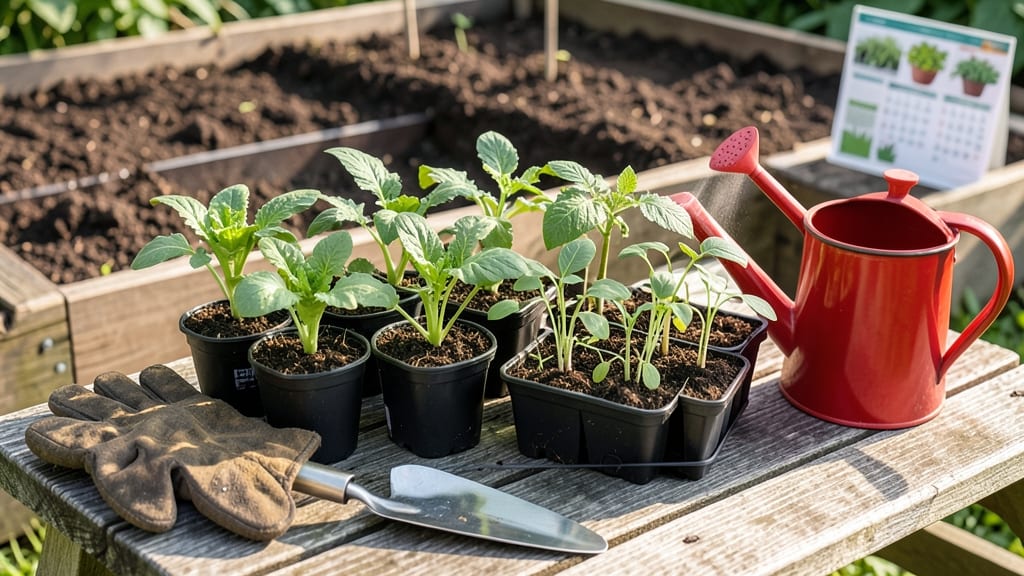
Planting your vegetable garden at the best time means the difference between a thriving harvest and a season of disappointment.
Timing your vegetable garden planting can mean the difference between a bountiful harvest and wasted seeds—knowing your region’s frost-free window is the first step to success.
In Zone 6a, that window opens around March 15 for cool-season crops like lettuce 🥬 and closes by September 15 for warm-season favorites like tomatoes.
Whether you’re starting seeds indoors or sowing directly, the right timing ensures your plants mature before heat or frost ruins them. I’ll break down exactly when to plant by region, plus how to adjust for unpredictable weather so your garden stays on track.
By the end, you’ll know the perfect window for your location, which crops to prioritize, and how to stretch your growing season with simple tricks. Let’s get those seeds in the ground at the right moment!

Understanding your region’s frost-free window for planting
Getting your vegetable garden’s timing right starts with knowing your last frost date. This critical marker determines when to plant heat-sensitive crops like tomatoes and peppers, ensuring they thrive before summer’s heat arrives.
Without this knowledge, you risk losing young seedlings to unexpected cold snaps or missing the window for fall harvests entirely.
Your USDA plant hardiness zone is the foundation for calculating this window. For example, Zone 5 gardeners typically see their last frost around May 15, while Zone 10 (like Southern California) may never experience frost.
To find yours, use the USDA interactive zone map or check local agricultural extension service data for precise frost date averages.
But frost dates aren’t set in stone—microclimates (like urban areas or valleys) can shift your window by weeks. That’s why I always verify with local weather records from the past 10 years. Check resources like Almanac.com or your state’s climate data portal for historical trends in your specific area.
Here’s how to use your frost-free window for planting success:
| Region | Last Frost Date | First Frost Date | Frost-Free Window | Key Planting Windows |
|---|---|---|---|---|
| Southern (Zones 8-11) | February–March | November–December | 240–365 days | Spring: March–May; Fall: August–October |
| Midwestern (Zones 5-7) | April–May | October–November | 150–210 days | Spring: April–June; Fall: July–August |
| Northeastern (Zones 3-6) | May | September–October | 120–180 days | Spring: May–June; Fall: July–early August |
| Western (Zones 4-9) | March–April (varies by elevation) | September–November | 150–270 days | Spring: April–May; Fall: August–September |
For Southern climates (Zones 8-11), the frost-free window stretches from 240 to 365 days, allowing for year-round planting. Here, I focus on fall crops like broccoli planted in August for harvest before winter rains.
Meanwhile, Midwestern gardeners (Zones 5-7) have a tighter window—150 to 210 days—so I prioritize fast-maturing varieties like bush beans or radishes for early harvests.
In the Northeast (Zones 3-6), where frost can linger into May, I use row covers to extend the season. This lets me plant cool-season crops like spinach as early as April, even if the last frost isn’t until late May.
For Western regions, elevation plays a huge role—mountain areas (like Zone 4) may have a 120-day window, while coastal zones (like Zone 9) enjoy 270 frost-free days.
Pro tip: Add 50 to 100 degree-days to your last frost date for heat-loving crops like peppers. Degree-days measure heat accumulation, and this buffer ensures seedlings aren’t transplanted too early.
For example, if your last frost is May 1 and peppers need 800 degree-days to mature, aim to transplant by mid-June in cooler zones.
Always cross-check with local gardeners or extension offices—they’ll share insights on unpredictable frost patterns in your area. For instance, Zone 7 gardeners in the Southeast might experience late frosts in April, while those in the Midwest could face early frosts in September. These nuances can save your garden!
Once you’ve nailed your frost-free window, the next step is matching vegetable maturity dates to your region’s timeline.
For example, tomatoes need 70–85 days to harvest, so in Zone 5, I start seeds indoors 6–8 weeks before the last frost (around March 15) to ensure they’re ready by May 15. This precision is what separates a thriving garden from a disappointing one.
🌱
Best vegetable planting schedule by region: when to start seeds indoors vs. direct sowing
Getting your vegetable planting schedule right is like hitting a moving target—it changes by region, season, and even microclimates in your yard. Whether you're growing cool-season crops like lettuce or warm-season favorites like tomatoes, timing matters.
Start seeds indoors too early, and they’ll get leggy; too late, and you’ll miss the frost-free window. Let’s break down the best times to plant by region and method.
Most gardeners divide vegetables into two categories: cool-season and warm-season. Cool-season crops thrive in spring and fall when temperatures are mild, while warm-season crops need consistent warmth to grow.
Your planting strategy should align with these categories. For example, broccoli and spinach can handle light frosts, while peppers and cucumbers will bolt if temperatures dip below 50°F.
Here’s a month-by-month guide for USDA Zones 5-8, the most common regions for home gardeners. Adjust dates by 2-4 weeks earlier for Southern climates (Zones 9-11) or later for Northern climates (Zones 1-4). Always check your local last frost date to fine-tune your schedule.
| Planting Method | Cool-Season Crops (Spring) | Warm-Season Crops (Summer) | Cool-Season Crops (Fall) |
|---|---|---|---|
| Start Seeds Indoors | 4-6 weeks before last frost (e.g., March in Zone 6) | 6-8 weeks before last frost (e.g., February-March) | 8-10 weeks before first frost (e.g., July-August) |
| Direct Sow Outdoors | 2-4 weeks before last frost (e.g., April) | After last frost, soil 60°F+ (e.g., May-June) | 60-90 days before first frost (e.g., August-September) |
| Transplant Seedlings | 2-3 weeks before last frost (e.g., late March-early April) | After last frost, soil 60°F+ (e.g., May) | 6-8 weeks before first frost (e.g., July-August) |
| Examples | Lettuce, Spinach, Kale | Tomatoes, Peppers, Eggplant | Broccoli, Carrots, Radishes |
For Northern regions (Zones 1-4), like Minnesota or upstate New York, start cool-season crops indoors as early as January to give them a head start.
In Southern regions (Zones 9-11), you can direct-sow warm-season crops like okra or sweet potatoes as early as February, while cool-season crops can be planted in fall well into November. Always monitor soil temperatures—most seeds need 40-70°F to germinate.
Pro tip: Use row covers or cold frames to extend your spring and fall growing seasons. For example, you can plant spinach in late summer and protect it with a row cover to harvest into winter.
Similarly, warm-season crops like tomatoes can be started indoors in March and transplanted after the last frost, but if you’re in a short-season zone, opt for fast-maturing varieties like ‘Early Girl’ tomatoes (60-65 days to harvest).
Don’t forget about succession planting! For crops like lettuce or radishes, sow new seeds every 2-3 weeks to ensure a continuous harvest. This works for both cool-season and warm-season crops. For instance, plant bush beans every 2 weeks from May through July to enjoy fresh pods all summer.
Finally, keep a gardening journal to track your planting dates, weather patterns, and harvest success. Over time, you’ll refine your schedule to match your unique microclimate.
Whether you’re a beginner or a seasoned gardener, mastering the art of timing will transform your garden from hit-or-miss to consistently productive. Happy planting! 🌱