
Tools
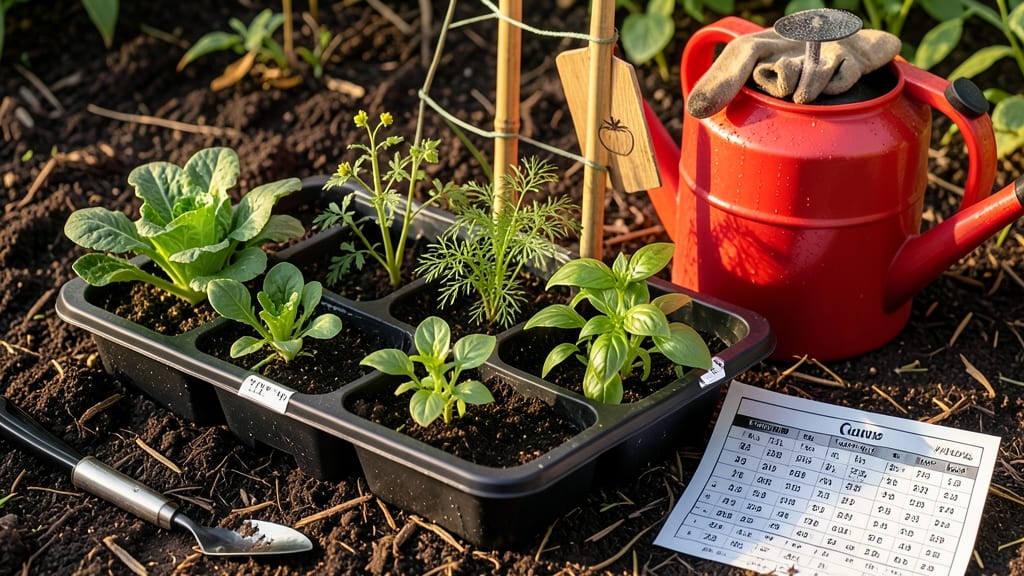
A vegetable garden planting schedule depends on your hardiness zone, frost dates, and crop maturity days—get it wrong, and you’ll end up with bolted lettuce or stunted tomatoes.
Timing your vegetable garden planting schedule correctly can mean the difference between a thriving harvest and wasted effort—especially when balancing hardiness zones and plant maturity days.
In Zone 6a, like many gardeners, you’ve got a narrow window between the last frost (April 15) and summer’s heat to get cool-season crops in the ground. But what about warm-season plants? And how do you adjust for containers or urban spaces?
Below, I break down the exact dates for sowing, transplanting, and harvesting by zone, plus 3 key adjustments to stretch your growing season—no matter where you live.

How to create a custom planting schedule by hardiness Zone
Creating a custom planting schedule tailored to your USDA hardiness zone ensures your vegetable garden thrives year-round. Whether you're in Zone 3 or Zone 11, understanding your local climate is key.
I’ll walk you through how to adjust planting dates for spring and fall crops, using tomatoes, peppers, and lettuce as examples. Start by identifying your zone—this determines your frost-free dates and growing season length.
Your last frost date is the critical marker for spring planting. For instance, in Zone 5, this typically falls around May 15, while in Zone 9, it might be as late as February 15.
Use these dates to calculate when to sow seeds indoors or transplant seedlings. For cool-season crops like lettuce, plant 4-6 weeks before your last frost, while warm-season crops like tomatoes need to wait until after the frost.
Here’s how to adjust for your zone:
| Zone | Last Frost | Tomatoes (Days to Maturity) | Peppers (Days to Maturity) | Lettuce (Days to Harvest) |
|---|---|---|---|---|
| 3-4 | May 10-20 | 60-85 days (transplant after May 20) | 75-90 days (start indoors March 15) | 30-50 days (plant April 1) |
| 5-6 | April 15-May 1 | 70-90 days (transplant April 15) | 80-100 days (start indoors March 1) | 30-45 days (plant March 15) |
| 7-8 | March 15-April 1 | 65-80 days (transplant March 20) | 70-90 days (direct sow March 10) | 25-40 days (plant February 15) |
| 9-10 | January 15-February 15 | 60-75 days (transplant February 1) | 65-80 days (direct sow January 15) | 20-35 days (plant January 1) |
| 11 | No frost | 55-70 days (plant year-round) | 60-75 days (plant year-round) | 15-30 days (plant year-round) |
For fall planting, focus on cool-season crops like lettuce and spinach. In Zone 6, for example, you can plant lettuce August 15-September 1 for a fall harvest.
Use the same logic: count backward from your first frost date (typically October 15 in Zone 6) to determine when to sow seeds. Tomatoes and peppers won’t survive frost, so avoid planting them too late in the season.
Adjust your schedule based on plant maturity days. If your tomato variety takes 85 days to mature, and your last frost is May 15, you’ll need to transplant seedlings by
Key factors that affect planting timing beyond hardiness zones
While USDA hardiness zones provide a baseline for planting, they don’t account for every variable that impacts your vegetable garden planting schedule. Soil temperature, last frost dates, and plant maturity days all play pivotal roles in determining the perfect time to sow seeds or transplant seedlings.
Ignoring these factors can lead to stunted growth or even crop failure.
For example, tomatoes and peppers need warm soil—at least 60°F (15°C)—to thrive, while cool-season crops like lettuce and spinach can handle frost. Understanding these nuances helps you fine-tune your schedule for a more productive harvest.
⚠️ WARNING: Common Mistakes That Ruin Planting Timing ⚠️
Here’s how to calculate ideal transplant dates: Start by checking the days to maturity on your seed packet, then subtract this number from your average first frost date. For instance, if your frost date is October 15 and your tomatoes take 80 days to mature, you should transplant by July 7 to ensure a harvest before cold weather sets in.
Another critical factor is succession planting, which involves staggering plantings every 2-3 weeks to extend harvests. This works especially well for fast-growing crops like radishes or bush beans. By planning multiple plantings, you can enjoy a continuous supply of fresh produce instead of a single, short-lived harvest.
Local climate data is your best friend when fine-tuning your schedule. Check resources like the National Oceanic and Atmospheric Administration (NOAA) for historical frost dates and soil temperature trends in your area.
Even within the same hardiness zone, microclimates—like urban heat islands or shaded spots—can shift planting windows by 2-4 weeks.
Don’t forget to account for seedling readiness. If you’re starting seeds indoors, ensure they’re hardened off before transplanting. For direct-sown seeds, wait until the soil is warm enough and all danger of frost has passed. These small details make a big difference in your garden’s success.
By mastering these key factors—soil temperature, last frost dates, maturity days, and succession planting—you’ll create a planting schedule that maximizes yield and minimizes wasted effort. Happy gardening! 🌱