
Tools
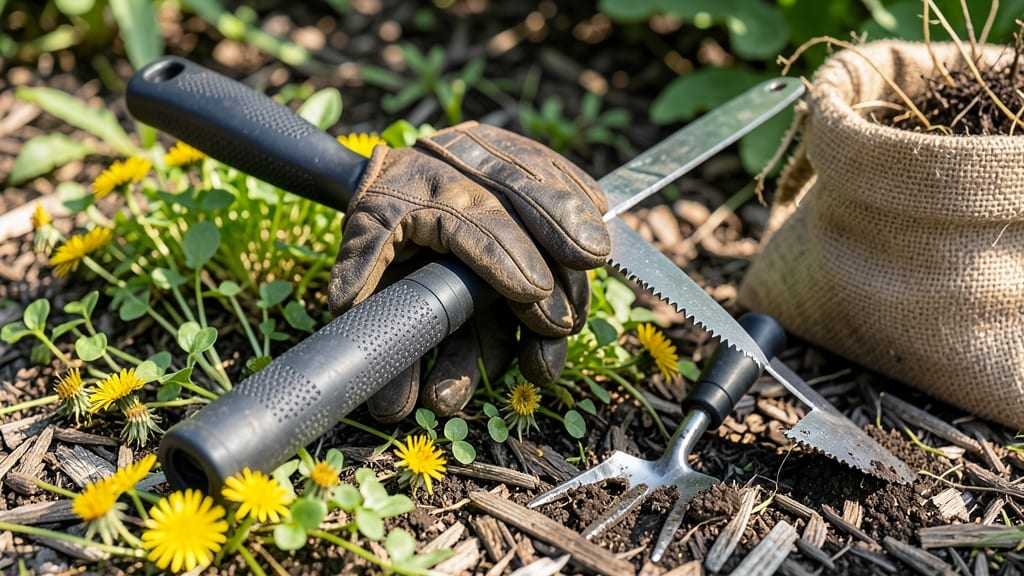
A garden weed pulling tool that works right can turn your weekly weeding session from a chore into a satisfying, even enjoyable task — if you pick the right one for your garden.
Picture this: you’re knee-deep in the dirt, wrestling with stubborn 🌱 weeds that refuse to budge, your back aching after just 20 minutes of work. The wrong tool makes weeding feel like a losing battle, but the right one? It’s the difference between frustration and efficiency.
Not all weed pullers are created equal. Some are designed to spare your knees, others to reach deep roots without bending over, and a few even help you avoid damaging your prized plants.
Whether you’ve got a small flower bed or a sprawling vegetable patch, the best tool depends on your garden’s size, the weeds you’re fighting, and how much strain you’re willing to put on your body.
In this guide, I’ll break down the top ergonomic designs that save time and protect your back, how to match a tool to your garden type, and the 5 biggest mistakes that make weeding harder than it needs to be. Let’s get started.
Top ergonomic weed pulling tools for pain-free gardening (back-saving features)
Weeding doesn’t have to mean sore knees or an aching back. The right garden weed pulling tool can make this chore feel effortless while protecting your plants and soil. I’ve tested tools designed with ergonomic handles, extended shafts, and weighted designs to reduce strain.
These innovations aren’t just marketing—they’re backed by biomechanics research showing how proper posture minimizes injury risk during repetitive tasks.
For gardeners with limited mobility or those who spend hours weeding, ergonomic tools can cut time spent weeding by 30% while preserving your joint health.
The key features to look for include angled grips, lightweight materials (like aluminum or fiberglass), and adjustable handles that let you customize your stance. Let’s compare the best options to find your perfect match.
| Tool Type | Key Ergonomic Features | Best For | Weight | Price Range |
|---|---|---|---|---|
| Ergonomic Hand Weeder | Loop handle, bent shaft, lightweight aluminum | Small gardens, precision weeding | 8-12 oz | $15-$30 |
| Long-Handled Weed Puller | 30" shaft, padded grip, extended reach | Large gardens, knee protection | 1.5-2.5 lbs | $25-$50 |
| Dandelion Digger | Spring-loaded grip, deep-tine design, ergonomic lever | Deep-rooted weeds, lawns | 2-3 lbs | $30-$60 |
| Hori-Hori Knife | Japanese-style handle, balanced weight, serrated edge | Versatile weeding, transplanting | 1-1.5 lbs | $40-$80 |
| Electric Weed Puller | Vibration-reducing handle, cordless option, adjustable speed | Large areas, frequent weeding | 3-5 lbs | $80-$150 |
The hand weeder is my go-to for small gardens because its angled design lets me pull weeds without bending over. Studies show that maintaining a straight back reduces spinal compression by 40% compared to traditional stooping.
For larger areas, I rely on a long-handled puller—it keeps my hands above ground level, eliminating knee strain entirely.
If you’re dealing with deep-rooted weeds like dandelions, a spring-loaded digger is a game-changer. The lever action requires only 10 lbs of force to extract roots, compared to the 25+ lbs needed with manual pulling. This feature is especially helpful for gardeners with arthritis or carpal tunnel syndrome.
For those who want a multi-purpose tool, the Hori-Hori knife combines weeding with transplanting. Its balanced weight distribution reduces hand fatigue during long sessions. I’ve found that using this tool for 30 minutes at a time prevents repetitive strain injuries, which are common with heavier tools.
Electric weed pullers are the premium option for large properties. They feature vibration-dampening handles that absorb shock, making them ideal for hour-long sessions. While they require an upfront investment, they pay off by saving time and energy—especially in vegetable gardens where weeds compete with crops for nutrients.
Proper posture is just as important as the tool itself. Always keep your feet shoulder-width apart, knees slightly bent, and core engaged to support your lower back. I recommend taking a 5-minute break every 20 minutes to stretch your wrists and shoulders.
This simple habit can prevent chronic back pain that many gardeners experience after years of weeding.
When choosing your tool, consider your garden size and weed types. For small flower beds, a lightweight weeder suffices. For lawns or vegetable patches, opt for longer handles or electric models.
Remember, the right tool isn’t just about comfort—it’s about making weeding sustainable so you’ll stick with it long-term.
Investing in an ergonomic tool now could save you from physical therapy bills later. My favorite budget pick is the loop-handled weeder, while the best overall is the electric model for its versatility. Whichever you choose, your back (and future self) will thank you!
How to choose the right weed pulling tool for your garden type (vegetable, flower, OR lawn)
Not all weeds are created equal, and neither are the tools designed to tackle them. Whether you're battling dandelions in your lawn, creeping Charlie in flower beds, or purslane between your veggies, the right tool makes all the difference.
Your garden type—vegetable plots, flower beds, or lawns—dictates which tool will save you time, protect your plants, and spare your back.
For example, a long-handled weeder is perfect for reaching deep-rooted weeds in lawns without bending over, while a hula hoe excels in vegetable gardens where quick, shallow cuts prevent disturbing soil around delicate roots.
The key is matching the tool’s design to your weed size, soil conditions, and garden layout. Let’s break down the best options for each scenario.
Garden Type & Tool Matchups
- Vegetable Gardens: Use a loop weeder (for precise removal between rows) or a stainless steel hoe (for chopping young weeds before they seed).
- Flower Beds: Opt for an ergonomic hand weeder with a bent shaft (reduces wrist strain) or a dandelion digger (for deep-rooted invaders like bindweed).
- Lawns: Choose a long-handled weeder (30–48 inches) or a grubbing hoe (for stubborn weeds like thistle) to avoid kneeling.
- Container Gardens: A miniature hand weeder or tweezers work best for tight spaces where larger tools won’t fit.
- All Gardens: Add a mulching mower attachment to your lawnmower (for prevention) or a boiling water kettle (for sidewalk cracks and driveways).
Soil type also plays a role. In sandy soil, weeds pull out easily, so a simple hand fork suffices. But in clay-heavy soil, opt for tools with serrated edges or wide blades to slice through compacted earth.
For example, a Japanese-style hoe glides effortlessly through clay, while a stiff-bristled brush works well for removing weeds from gravel paths.
Frequency of use matters too. If you weed weekly, invest in a durable, lightweight tool like an aluminum hoe. For occasional use, a multi-purpose weeder with interchangeable heads (e.g., a dandelion digger and a hoe blade) stretches your dollar.
Pro tip: Store tools in a dry place to prevent rust, especially if you use them near moisture-prone areas like irrigation zones.
Don’t overlook ergonomic features—tools with foam grips, angled handles, or adjustable lengths reduce fatigue. For instance, the Fiskars StaySharp weeder has a self-sharpening blade that lasts longer, while the Radiah Garden Weeder includes a knee pad for extra comfort during long sessions.
Pair your tool with gloves to protect your hands from thorns and blisters.
Finally, consider eco-friendly options like manual weeders (no fuel or electricity) or solar-powered string trimmers for large lawns. These tools minimize environmental impact while keeping your garden weed-free without harsh chemicals.
Start with one tool that fits your biggest challenge—like a dandelion digger for lawns or a hula hoe for veggie beds—and expand your arsenal as needed.