
Pruning
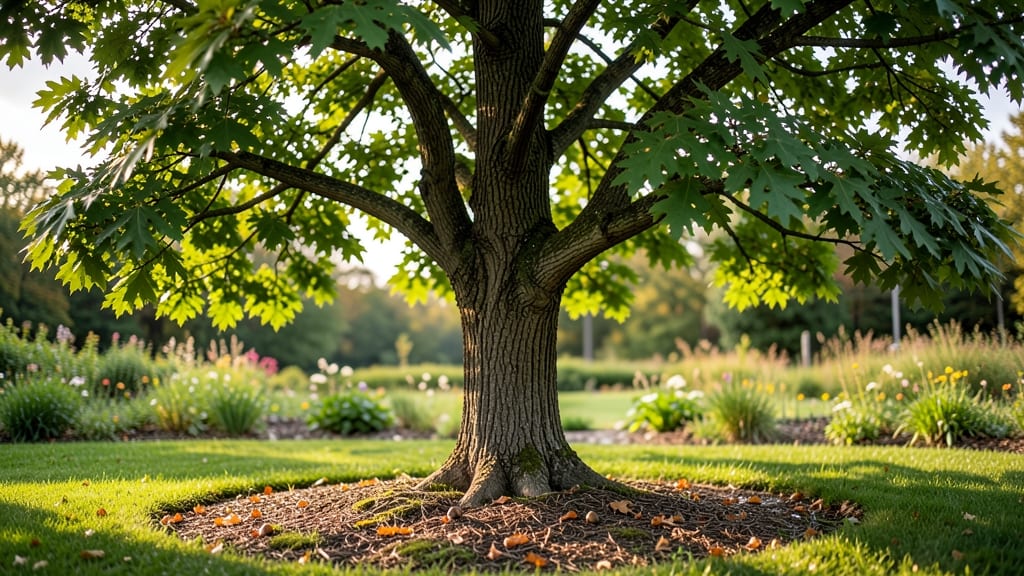
As a gardener pruning a tree, start by removing dead or diseased branches first, then make precise cuts at the branch collar to encourage healthy regrowth. Always use sterilized tools and avoid excessive trimming to prevent stressing the tree.
Pruning isn't just about cutting branches—it's about understanding how trees heal. 🌳 The branch collar, that swollen area where a branch meets the trunk, contains healing tissues that help the tree recover faster.
Sterilizing tools between cuts prevents spreading fungal spores, which can turn a small trim into a full-blown infection. I've seen gardeners skip this step and end up with more problems than they started with—always better safe than sorry!
Timing matters too. Late winter or early spring is ideal because the tree's dormant state means it's less vulnerable to stress. Avoid heavy pruning in late summer or fall, as new growth may not harden off before winter, leaving branches susceptible to cold damage.
Think of it like giving your tree a haircut at the right time—too early or too late, and you risk upsetting its natural rhythm.
💡 In This Article
- Tree Pruning Basics: When and Why to Trim Branches
- Essential Tools and Techniques for Safe Tree Pruning
Tree pruning basics: when and why to trim branches
The science behind tree pruning revolves around how trees heal and grow. When you make a cut, the tree's natural response is to seal the wound using callus tissue—this is why the branch collar (that swollen junction where a branch meets the trunk) is so important.
This area contains specialized cells that produce growth hormones like auxins, which trigger the healing process. Removing dead or diseased branches first prevents pathogens from spreading through the tree's vascular system, which acts like a plumbing network delivering water and nutrients.
Timing your cuts matters because trees have different growth cycles. Late winter or early spring is ideal because the tree is dormant, so it won't lose excessive sap or energy.
During this period, you can see dead branches more clearly (they often appear brown or brittle), making them easier to identify. What most gardeners don't realize is that pruning in late summer or fall can stimulate new growth that won't harden off before winter, leaving branches vulnerable to frost damage.
Think of it like trimming a plant's roots—do it at the wrong time, and you risk shocking the system.
Dead branches aren't just unsightly—they're energy drains. A single dead branch can rob the tree of up to 20% of its stored nutrients as the tree tries to maintain it. Removing these branches redirects that energy into healthier growth.
Diseased branches can also harbor pests like borers or fungi that spread through the tree's vascular system. The key is to remove only what's necessary—over-pruning can stress the tree and make it more susceptible to disease or pest attacks.
A good rule of thumb is to never remove more than 25% of the tree's canopy in a single season.
Here's what happens when you prune correctly: the tree's growth hormones shift focus to new, healthy branches, and the wound seals within a few weeks. The branch collar's natural shape guides the healing process, creating a stronger seal than if you cut flush to the trunk.
This is why precision matters—cutting too close can damage the collar, leaving the tree vulnerable to infections. I've seen gardeners make this mistake and end up with trees that take years to recover, if they recover at all.
Consider the tree's age and species too. Young trees need minimal pruning—just enough to establish good structure. Mature trees, on the other hand, may need more aggressive trimming to remove crossing branches or those growing inward.
For example, a maple tree bleeds heavily when pruned in late winter, so it's better to wait until early spring when the sap flow slows. Meanwhile, a fruit tree benefits from summer pruning to improve air circulation and reduce disease risk.
Understanding these nuances makes all the difference in your tree's long-term health.
One final tip: always look for the branch bark ridge (the raised area where the branch meets the trunk) and the branch collar before making your cut. These natural features are your guides—they tell you exactly where to trim for the cleanest, healthiest result. 🌿