
Pruning
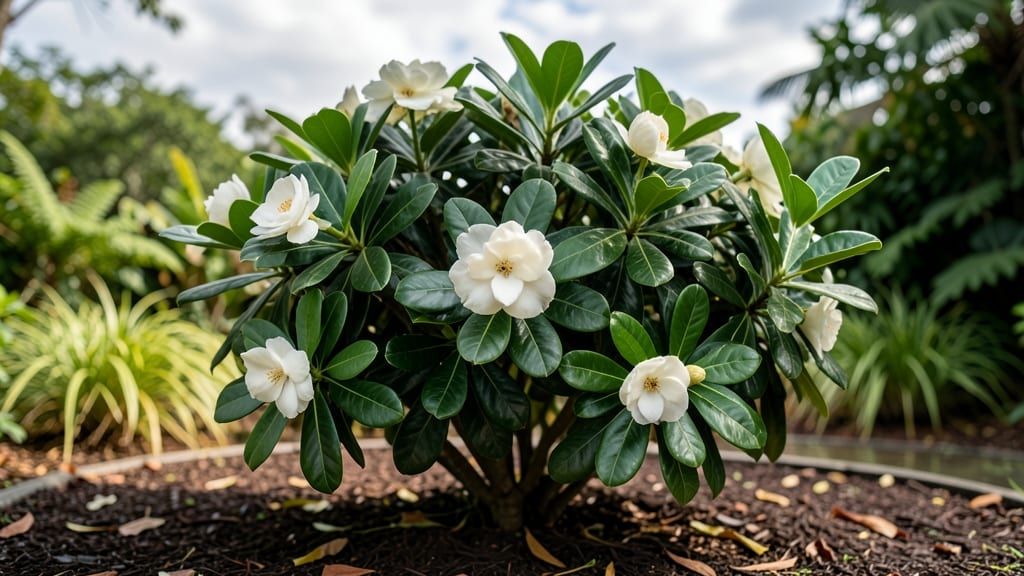
A gardenia tree size can range from 3 feet to towering 15 feet, depending on the variety and care you provide—but choosing the wrong one for your space is a common mistake.
Picture this: You’ve fallen in love with the intoxicating fragrance of a blooming gardenia 🌺, only to realize it’s either going to swallow your patio or require constant pruning to keep it in check.
The key to avoiding this dilemma? Understanding how quickly gardenias grow and how their mature dimensions differ by type.
For example, the classic Gardenia jasminoides—the one with those glossy, deep-green leaves and creamy-white flowers—typically reaches 6 to 12 feet at maturity, while dwarf varieties like ‘Radicans’ stay under 3 feet, making them perfect for containers or small gardens.
Meanwhile, standard varieties can stretch toward 15 feet if left unchecked.
In this guide, I’ll break down the height and spread of the most popular gardenia varieties, share pruning tips to control their growth, and help you pick the perfect size for your garden—whether you’re dreaming of a fragrant hedge or a showstopping centerpiece.

Gardenia tree size by variety: mature height and spread guide
Choosing the right gardenia variety can make all the difference in your garden’s layout and fragrance experience. Gardenias range from compact shrubs perfect for containers to towering specimens that anchor a landscape.
The mature height and spread of each variety determine whether it thrives in a small courtyard or sprawls across a backyard hedge. Let’s explore the most popular gardenia types and their growth habits to help you pick the perfect fit.
One of the most beloved varieties, Gardenia jasminoides, is a classic choice for many gardeners. This type typically grows into a multi-stemmed shrub with a mature height of 6 to 10 feet and a spread of 4 to 6 feet.
Its glossy, dark green leaves and fragrant white blooms make it a standout, but its size means it’s best suited for larger garden beds or as a focal point in the landscape. If you’re working with limited space, this variety might need strategic pruning to keep it in check.
Gardenia augusta, also known as Cape Jasmine, offers a slightly different growth habit. This variety tends to be more compact, reaching a mature height of 4 to 6 feet with a spread of 3 to 5 feet. It’s an excellent choice for smaller gardens, containers, or even as a hedge. The trade-off is slightly smaller blooms compared to its larger cousins, but its manageable size makes it ideal for urban gardens or patios where space is at a premium.
Here’s a quick comparison to help you visualize how these varieties stack up in your garden:
If you’re drawn to a more dramatic look, consider Gardenia radicans, a variety that trails beautifully. This type grows to a mature height of 3 to 5 feet but can spread up to 4 feet when trained along a trellis or fence.
Its cascading growth habit makes it perfect for adding vertical interest to your garden or softening a fence line. For container gardening, this variety is a game-changer, as its trailing stems create a lush, fragrant curtain.
For those with limited space, dwarf gardenia varieties like 'Kleim's Hardy' are a lifesaver. These compact plants typically reach only 2 to 4 feet in height and spread, making them ideal for containers, small patios, or even as a potted specimen on a balcony.
While their blooms may be slightly smaller, their manageable size and low-maintenance nature make them a favorite for urban gardeners.
When planning your garden layout, consider not just the mature height but also the spread of each variety. A gardenia with a wide spread, like Gardenia jasminoides, will need ample room to avoid crowding other plants.
In contrast, a dwarf variety can fit snugly into a corner or alongside a walkway. Always check the growth habit—whether upright, trailing, or bushy—to ensure it complements your garden’s design.
One common question I hear is, "How fast do gardenias grow?" While growth rates vary by variety and growing conditions, most gardenias grow about 12 to 24 inches per year under ideal conditions.
This means a standard gardenia could reach its mature height in about 5 to 10 years, depending on care and pruning. Patience is key, but the reward of fragrant blooms is well worth the wait!
Before planting, take time to assess your space and choose a gardenia variety that fits seamlessly into your garden’s vision.
Whether you opt for a towering Gardenia jasminoides as a statement piece or a compact dwarf variety for your patio, understanding these size differences will help you create a garden that’s both beautiful and functional. 🌺
How to control gardenia tree size: pruning and growth tips
Keeping your gardenia tree at your desired size starts with understanding its natural growth patterns. Most gardenias grow 6 to 15 feet tall at maturity, but with the right techniques, you can shape them into compact shrubs or manage their spread.
The key is combining proper pruning with ideal growing conditions—like well-draining, acidic soil and morning sunlight. Whether you’re working with a dwarf variety or a standard gardenia, these strategies will help you control its size without sacrificing those intoxicating blooms.
For small spaces or containers, I recommend starting with dwarf gardenias, which typically max out at 3 to 5 feet tall. These varieties are perfect for patios, balconies, or even large pots.
If you’re planting in the ground, standard gardenias will need more room—aim for at least 8 feet of clearance for mature height and spread.
Always check the variety’s specific growth habits before planting, as some gardenias like Gardenia jasminoides grow bushier while others, like Gardenia radicans, can climb or trail.
- 🌱 Choose the Right Variety: Dwarf gardenias (3–5 ft) for containers; standard types (8–15 ft) for landscapes.
- ✂️ Prune After Blooming: Trim back 1/3 of new growth in late summer to encourage bushier growth.
- 💧 Water Deeply: Keep soil consistently moist but avoid waterlogging to prevent root stress.
- ☀️ Plant in Partial Shade: Morning sun with afternoon shade prevents leggy growth and heat stress.
- 🪴 Use Containers for Dwarfs: Ensure pots have drainage holes and repot every 2–3 years for root health.
- 🌿 Fertilize Lightly: Use acid-loving fertilizer (10-10-10) every 4–6 weeks in spring/summer.
Pruning is the most effective way to control gardenia tree size, but timing matters. Always prune right after flowering, typically in late summer or early fall. This allows the plant to recover before winter and ensures you don’t cut off next year’s blooms.
Use clean, sharp pruners to make cuts just above a leaf node or bud. Avoid heavy pruning in spring, as this can reduce flowering. For a fuller shape, focus on trimming the outer branches to encourage inward growth.
If your gardenia is growing too fast, it might need more shade or less fertilizer. Gardenias thrive in partial shade, so if yours is in full sun, consider moving it to a spot with morning light only. Over-fertilizing can also spur rapid, leggy growth with fewer blooms.
Stick to a balanced, acid-loving fertilizer and apply it sparingly during the growing season. Mulching around the base with organic matter like pine bark helps retain moisture and keeps roots cool, which slows excessive growth.
For container-grown gardenias, size control is easier but requires regular maintenance. Choose a pot that’s 1–2 inches larger than the root ball to prevent root-bound stress. Dwarf varieties like ‘Kleim’s Hardy’ or ‘Radicans’ are ideal for pots, but even standard gardenias can be pruned aggressively to fit smaller spaces.
Just remember: root-bound plants grow slower, so repot every few years to refresh the soil and encourage healthy growth. With the right care, your gardenia will stay lush, fragrant, and perfectly sized for your garden!
🌺