
Fertilization
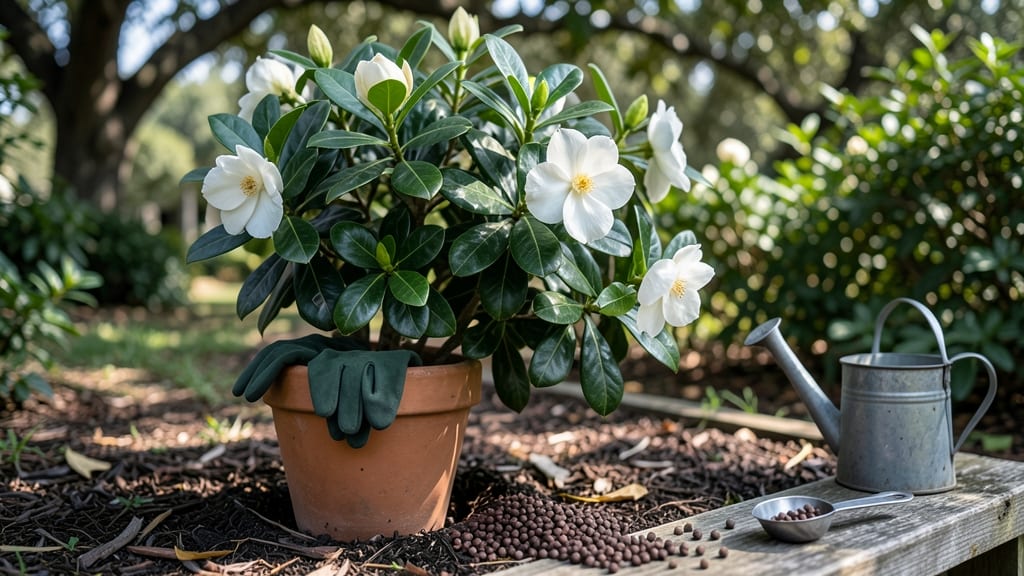
The gardenia fertilizer ratio that unlocks those iconic, intoxicating blooms is a balanced 6-10-10 NPK, but most gardeners mess it up by overdoing nitrogen—leaving their 🌸 plants lush but flowerless.
Picture this: You’ve pampered your gardenia with love, water, and even the right soil pH, but it still throws out a handful of buds before giving up.
The issue? Too much nitrogen pushes leafy growth at the expense of blooms, while the wrong phosphorus or potassium levels starve the flowers before they even open.
In this guide, I’ll break down the exact N-P-K ratios that work, when to feed (and when to stop), and how to spot the signs of over- or under-fertilizing—so you can finally enjoy that fragrant, show-stopping display you’ve been dreaming of.
We’ll also compare organic vs. synthetic options, troubleshoot common mistakes, and even show you how to tweak store-bought fertilizers for gardenia perfection—no chemistry degree required.
Optimal gardenia fertilizer ratio: N-P-K breakdown for maximum blooms
If your gardenia is throwing lush leaves but few blooms, your N-P-K ratio is likely the culprit. Gardenias thrive on a balanced fertilizer with slightly higher phosphorus to fuel those iconic white, fragrant flowers. Most gardeners accidentally overdo nitrogen, which promotes foliage at the expense of blooms—let’s fix that.
The ideal gardenia fertilizer ratio is 6-10-10 (N-P-K), but this changes slightly depending on your plant’s growth phase. Too much nitrogen (N) = leafy monster. Too little phosphorus (P) = sparse flowers. Let’s break it down so you can adjust your feeding routine for maximum blooms.
| Growth Phase | Optimal Ratio (N-P-K) | Key Focus | Frequency |
|---|---|---|---|
| Spring (Feb-Apr) | 5-10-10 | Root establishment & early blooms | Every 6 weeks |
| Summer (May-Aug) | 6-12-12 | Peak flowering & heat resilience | Every 8 weeks (reduce in heatwaves) |
| Fall (Sep-Oct) | 4-8-8 | Post-bloom recovery & root hardening | Every 10 weeks (light feed) |
| Winter (Nov-Jan) | Skip or 2-4-4 | Dormancy phase (no feeding) | None (unless indoor lighting) |
Notice how phosphorus (P) increases during summer when gardenias are actively blooming? This is critical—most gardeners use a generic 10-10-10 fertilizer, which can actually inhibit blooms by overstimulating leaves. For gardenias, phosphorus should be equal to or higher than potassium (K).
Potassium (K) is often overlooked but plays a vital role in stress resistance and flower longevity. A ratio like 6-10-10 ensures your gardenia stays healthy during Florida’s humid summers or indoor winter conditions. Too little potassium leads to weak stems and disease susceptibility.
Here’s the mistake I see most often: gardeners using high-nitrogen lawn fertilizers (like 30-0-4) on their gardenias. This creates a leafy but barren plant. Always check the label—if the first number (N) is higher than the second (P), dilute it or switch to a bloom-specific formula.
For organic gardeners, aim for compost tea (1-2-2 ratio) or a mix of bone meal (3-15-0) and kelp meal (1-0-2). Bone meal boosts phosphorus, while kelp adds potassium. Apply bone meal in early spring and kelp in late summer for a natural 6-10-10 effect.
Pro tip: Test your soil’s pH first—gardenias need acidic soil (5.0-6.5). If your soil is alkaline, even the perfect N-P-K ratio won’t work. Use sulfur or peat moss to lower pH before fertilizing. A soil test kit costs $10 and saves you from wasting fertilizer.
Watch for these signs of imbalance:
- Yellow leaves = Too much nitrogen or poor drainage
- Brown leaf edges = Too much salt (over-fertilizing)
- No buds = Too little phosphorus or high nitrogen
Adjust your ratio and monitor for 3-4 weeks before changing again.
Remember, gardenias are heavy feeders but sensitive to excess. Always water thoroughly after fertilizing to prevent root burn. For potted gardenias, flush the soil with water 2 weeks after feeding to avoid salt buildup.
With the right N-P-K ratio and seasonal adjustments, your gardenia will reward you with glossy leaves AND a cloud of intoxicating fragrance by next spring. Start with 6-10-10 this month, and watch those buds form!
Step-by-step guide: how to apply gardenia fertilizer with the right ratio
Getting your gardenia to thrive starts with understanding how to apply the right fertilizer ratio. Gardenias need a balanced N-P-K mix—typically 6-10-10—to promote lush foliage and abundant blooms. Too much nitrogen can lead to leafy growth with few flowers, while too little phosphorus can stunt bloom production.
Let’s break down the process step by step to ensure your gardenia gets the nutrients it craves.
Before you begin, check your soil pH. Gardenias prefer acidic soil (pH 5.0-6.5). If your soil is alkaline, the fertilizer won’t work as effectively. You can test your soil with a simple pH testing kit or send a sample to your local extension office.
If adjustments are needed, add sulfur or peat moss to lower the pH gradually.
⚠️ Warning: Over-Fertilizing is a Common Mistake!
Using too much nitrogen-heavy fertilizer (like 30-10-10) will result in leafy growth but few blooms. Gardenias need phosphorus (P) for flowers and potassium (K) for root strength. Always dilute liquid fertilizers to half-strength for your first application to gauge your plant’s response.
Start by choosing your fertilizer type. For granular fertilizers, opt for a slow-release, acidic blend designed for azaleas or camellias. Sprinkle 1 tablespoon per plant around the root zone, avoiding direct contact with the stem.
Gently work the granules into the top 1-2 inches of soil using a small rake or your fingers. Water thoroughly to activate the granules and help them dissolve into the soil.
If you prefer liquid fertilizers, mix the solution according to the package instructions but dilute it further. Gardenias are sensitive to salt buildup, so always use half-strength for liquid feeds.
Apply the solution to the soil (not leaves) in the early morning to allow the roots to absorb nutrients before the heat of the day. Repeat every 6-8 weeks during the growing season (spring to fall), reducing frequency in winter months when the plant is dormant.
Watch for signs of over-fertilization, such as yellowing leaves, brown leaf tips, or sparse blooms. These are red flags that your gardenia is getting too much fertilizer.
If you notice these symptoms, flush the soil with water to leach out excess salts and reduce your fertilizer dose by half for the next application. On the other hand, under-fertilization may cause pale leaves, slow growth, or no blooms.
Adjust your feeding schedule or switch to a higher-phosphorus fertilizer to encourage flowering.
To keep your gardenia thriving, pair fertilization with consistent watering and mulching. Mulch with pine bark or compost to maintain acidic soil conditions and retain moisture. Avoid fertilizing during extreme heat or drought, as stressed plants can’t absorb nutrients efficiently.
With the right fertilizer ratio and careful application, your gardenia will reward you with fragrant blooms all season long.