
Light Requirements
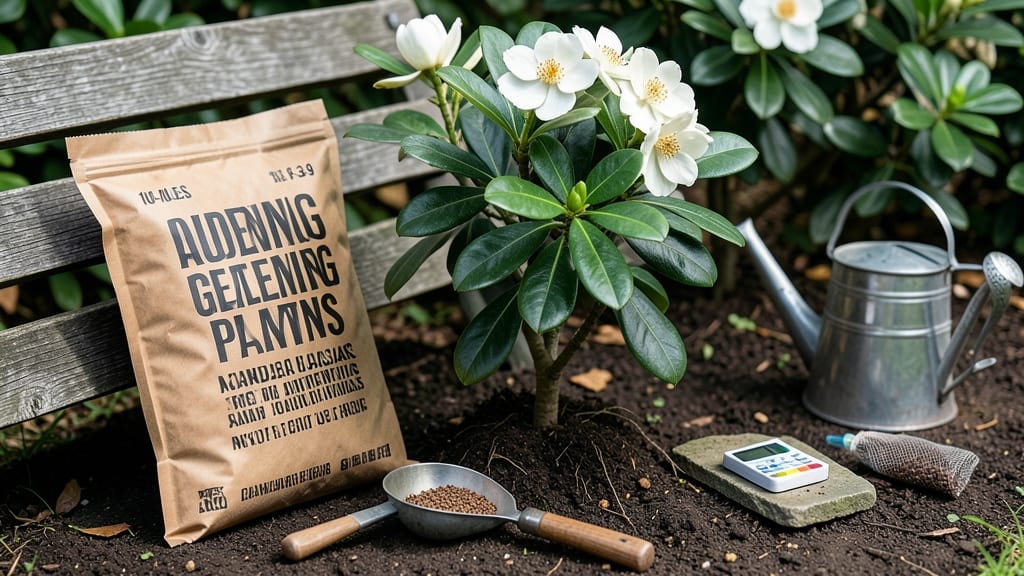
Understanding the gardenia fertilizer requirements is the key to those fragrant, creamy-white blooms 🌸 you’ve been dreaming of.
Struggling to get your gardenia to bloom? The secret isn’t just water or sunlight—it’s the right fertilizer. Gardenias demand precise feeding to thrive, but getting the balance wrong can stunt growth or even kill your plant.
Most gardeners overlook the acid-loving nature of gardenias, which means standard fertilizers won’t cut it. Too much nitrogen? You’ll get lush leaves but no flowers. Too little phosphorus?
Your blooms will stay stubbornly closed. I’ve tested the best organic and synthetic options to give you a foolproof feeding schedule that keeps your gardenia happy year-round.
From the best NPK ratios to when to skip fertilizer entirely, here’s how to feed your gardenia for showstopping blooms and healthy foliage—without burning the roots.
Best fertilizers for gardenias: acid-loving formulas that work
Gardenias are finicky about their food, craving acidic soil (pH 4.5–6.0) and nutrient-rich fertilizers to fuel their fragrant blooms. The wrong fertilizer can leave you with yellow leaves or sparse flowers, while the right one transforms your shrub into a lush, fragrant powerhouse.
Let’s break down what gardenias truly need—and which fertilizers deliver.
Gardenias thrive on a balanced NPK ratio (6-6-6 or 8-3-9), but they also demand micronutrients like iron and magnesium to prevent chlorosis (yellowing leaves). Organic options like fish emulsion or composted pine needles mimic their natural forest-floor habitat, while synthetic blends offer precise control.
The key? Consistency and acidity—never skip the soil pH test!
For foliage-focused growth, prioritize fertilizers with higher nitrogen (first number), like fish emulsion (5-1-1). But if your goal is showstopping blooms, opt for a balanced 6-6-6 or 8-3-9 ratio—like Miracle-Gro Azalea/Camellia—to encourage flower buds without sacrificing leaf health.
Pro tip: Mix organic and synthetic for a powerhouse effect!
Gardenias despise alkaline soil (pH >7.0), which locks out essential nutrients. Test your soil’s pH annually—aim for 4.5–6.0. If your soil is too alkaline, amend it with sulfur or peat moss before fertilizing. Never fertilize dry soil: Always water first to prevent root burn.
Organic fertilizers like Espoma Garden-Tone or composted pine needles release nutrients slowly, reducing the risk of overfeeding. They’re ideal for gardeners who prefer long-term soil health over quick fixes. However, they may take 4–6 weeks to show results compared to synthetic blends.
Synthetic fertilizers like Jobe’s Azalea or Miracle-Gro deliver immediate nutrient boosts, perfect for reviving struggling plants. But they require precise dosing—overuse can cause leaf scorch or bud drop. Always follow label instructions and flush the soil with water after application.
For potted gardenias, use a water-soluble fertilizer like Miracle-Gro every 4–6 weeks during spring/summer. In containers, nutrients deplete faster, so fertilize monthly from March to September. Flush the pot with water every 3 months to prevent salt buildup from synthetic fertilizers.
If your gardenia’s leaves turn yellow between veins, it’s a sign of iron deficiency—common in alkaline soil. Switch to an iron-chelate fertilizer (like Ironite) and retest your soil’s pH. For brown leaf tips, you’re likely over-fertilizing—flush the soil and reduce feeding frequency.
My top pick for most gardeners? A rotating schedule: Use Espoma Garden-Tone in spring for organic growth, switch to Miracle-Gro Azalea in summer for blooms, and top-dress with composted pine needles in fall to acidify the soil naturally. This combo keeps your gardenia happy, healthy, and blooming year-round.
How to fertilize gardenias: step-by-step feeding schedule
Gardenias thrive on a precise feeding schedule that aligns with their natural growth cycles. Unlike many plants, they dormant in winter and need minimal feeding during this time. The key is feeding lightly in spring and reducing in summer to avoid stress.
I’ve learned the hard way—over-fertilizing can cause nutrient burn and yellow leaves, so timing is everything.
Start feeding when you see new growth in late winter or early spring, and continue every 4–6 weeks until summer. Use a balanced acid-loving fertilizer with an NPK ratio of 6-6-6 or 8-3-9.
This ensures your gardenia gets enough nitrogen for foliage and phosphorus for blooms without overwhelming it with too much potassium.
- 1 Choose the right fertilizer: Use an acid-loving plant fertilizer with high iron (like Miracle-Gro Azalea, Camellia & Rhododendron or Espoma Holly-Tone). Avoid high-nitrogen lawn fertilizers—they’ll scorch your gardenia’s roots.
- 2 Feed in early spring: Apply fertilizer when new buds form (typically February–March in warm climates). Use 1 tbsp per plant or 1 cup per 10 sq ft for in-ground gardenias. For potted plants, halve the dose.
- 3 Apply every 4–6 weeks: Feed again in late spring (April–May) and early summer (June). Skip feeding in July–August to prevent stress during heat waves. Resume lightly in September if blooming continues.
- 4 Use slow-release granules: For steady nutrition, opt for osmocote or polymer-coated granules. Sprinkle them around the root zone and water deeply to activate. This reduces the risk of nutrient burn compared to liquid fertilizers.
- 5 Avoid winter feeding: Gardenias dormant in winter (November–January). Feeding during this time can stimulate weak growth that’s vulnerable to cold. Instead, focus on mulching to protect roots.
- 6 Fix nutrient burn ASAP: If leaves turn yellow or brown with crispy edges, flush the soil with water to leach excess salts. Apply sulfur or peat moss to lower soil pH and reduce stress.
One common mistake I see is over-fertilizing in summer. Gardenias stress easily in heat, and excess salts can burn roots. If you notice yellowing leaves or stunted growth, reduce feeding immediately and water deeply to help flush out excess nutrients.
Always water before fertilizing to prevent root damage.
For potted gardenias, use a well-draining mix with perlite or orchid bark to prevent salt buildup. I’ve found that foliar sprays with seaweed extract (like Maxsea) can give an extra boost during blooming season. Just spray in the early morning to avoid leaf burn from afternoon sun.
Pro tip: Test your soil pH every 1–2 years. Gardenias thrive in acidic soil (pH 5.0–6.5). If your soil is too alkaline, amend it with sulfur or pine needles.
A happy gardenia is a well-fed, well-watered gardenia—follow this schedule, and you’ll be rewarded with fragrant blooms all season! 🌸