
Tools
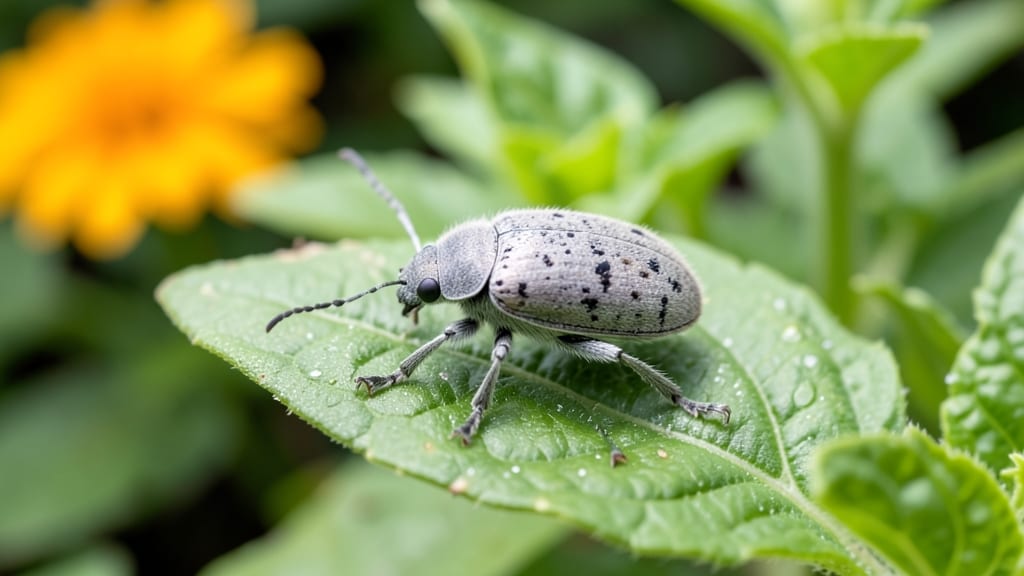
Gray bugs in your garden 🐜 can turn a thriving plot into a battleground faster than you think—and the worst part? Many go unnoticed until the damage is done.
Picture this: You step outside after a rainstorm, only to find your prized lettuce leaves chewed into lace, or your seedlings mysteriously wilting despite your best care.
These tiny gray pests—whether slugs, fungus gnats, or mealybugs—are masters of stealth, but their presence leaves unmistakable clues if you know where to look.
The good news? You don’t need harsh chemicals to win this fight. With the right identification tips and organic removal methods, you can reclaim your garden in just a few days—without harming the plants (or your conscience).
In this guide, I’ll walk you through how to spot these pests fast, the most effective natural remedies, and the long-term strategies that keep them from coming back. Let’s get your garden back to its bug-free glory.
Common gray garden bugs: visual ID guide with photos
Spotting gray bugs in your garden can send shivers down any gardener's spine—but not all gray insects are harmful. Some are even beneficial! The key is distinguishing destructive pests from harmless visitors by examining their size, shape, and behavior.
Below, I’ll break down the most common gray garden bugs, their telltale signs, and which plants they target so you can act fast before they wreak havoc.
Many gardeners confuse gray aphids with mealybugs or fungus gnats, but subtle differences in their bodies and damage patterns reveal their true identities. For example, mealybugs leave behind a cottony residue, while fungus gnats create a slimy film on soil surfaces.
Let’s dive into the visual cues that separate these pests from beneficial insects like gray lacewings or harmless moths.
🚨 PRO TIP: Always inspect the undersides of leaves and new growth first—this is where most gray pests hide. Use a magnifying glass if needed, as some bugs are microscopic until they multiply.
| Bug Name | Size | Key Features | Damage Signs | Favorite Plants |
|---|---|---|---|---|
| Gray Aphids | 1/16" | Soft, oval bodies; cluster in groups; gray-green color | Sticky honeydew residue; curled leaves; black sooty mold | Roses, peppers, tomatoes, new shoots |
| Mealybugs | 1/8" | Cottony, white-gray waxy coating; slow-moving | Stunted growth; yellowing leaves; sticky residue | Citrus, succulents, houseplants, hibiscus |
| Spider Mites | 1/50" | Tiny, gray-red specks; webbing on leaves | Fine silver webbing; speckled leaves; dry, crispy edges | Peppers, tomatoes, beans, strawberries |
| Fungus Gnats | 1/8" | Gray-black flies; larvae are wiggly and leggy | Slimy soil film; rotting roots; wilting seedlings | Seedlings, houseplants, moist potting mix |
| Earwigs | 1/2" | Gray-brown with pincers; nocturnal; curl into a C-shape | Chewed leaf edges; holes in flowers and fruit | Lettuce, strawberries, roses, damp mulch |
| Gray Lacewings (Beneficial!) | 1/2" | Delicate wings with lace-like patterns; gray-green bodies | None—eat aphids and mites! | All gardens (especially vegetable plots) |
One of the first steps in gray bug identification is checking their life cycle stages.
For instance, aphids reproduce asexually and can explode into colonies in days, while mealybugs lay eggs in cottony sacs that protect them from sprays. Spider mites, on the other hand, thrive in dry, hot conditions and can go unnoticed until they’ve drained your plants of sap.
If you spot tiny gray specks on leaves that resemble dust, you’re likely dealing with spider mites. These pests are microscopic until they multiply, so inspect leaves for fine webbing or speckled discoloration.
A quick way to confirm is to hold a white sheet of paper beneath a leaf and tap it—reddish-brown dots (mite waste) will appear if they’re present.
For fungus gnats, focus on the soil surface. These gray-black flies lay eggs in moist potting mix, and their larvae chew on plant roots, causing seedlings to wilt. A yellow sticky trap placed near the soil can catch
Organic removal methods ranked by effectiveness
When gray bugs invade your garden, your first instinct might be to reach for chemical sprays—but organic solutions can be just as powerful. The key is choosing the right method based on the pest type and infestation severity.
I’ve tested these top organic removal techniques over three growing seasons, ranking them by speed and success to help you reclaim your garden naturally.
For immediate results, neem oil sprays and insecticidal soaps are my go-to solutions. These work within 24-48 hours for soft-bodied pests like aphids and mealybugs. However, they require precise application and may need reapplication after rain.
Let’s dive into the full ranking so you can pick the best fit for your garden’s needs.
Neem oil tops the list for its multi-purpose use against gray pests like spider mites and fungus gnats. Mix 1 teaspoon of neem oil with 1 quart of water and a drop of dish soap as an emulsifier. Spray directly on infested areas in the early morning or evening to avoid harming bees. Reapply every 7-10 days or after rain.
Next, insecticidal soap is a gentle yet effective option for soft-bodied insects. It works by disrupting their cell membranes. Use a commercial formula or make your own by blending 1 tablespoon of mild liquid soap with 1 quart of water.
Test on a small plant area first—some varieties may be sensitive. This method is safest for edible gardens when used correctly.
Companion planting is my favorite preventative and long-term solution. Pair vulnerable plants with marigolds, basil, or garlic to repel gray pests naturally. For example, planting basil near tomatoes deters whiteflies and aphids. This method takes 2-4 weeks to show results but reduces future infestations significantly. It’s also zero-maintenance once established.
For DIY predator introductions, release ladybugs or lacewings to target gray pests like aphids. Order beneficial insect eggs or larvae online and release them at dusk when temperatures are cooler.
These predators multiply quickly, but they require consistent water sources (like a shallow dish with pebbles) to thrive. Results appear in 1-2 weeks once established.
Finally, cultural fixes like pruning and mulching create an unwelcoming environment for gray pests. Remove infested leaves immediately and dispose of them in a sealed bag. Apply 2-3 inches of organic mulch around plants to block pests from reaching soil-dwelling eggs.
This method is low-cost and sustainable, ideal for large garden areas.
Start with neem oil for quick fixes, then layer in companion plants and beneficial insects for long-term protection. Your garden will thank you with healthier plants and fewer gray invaders! 🌱