
Vegetables
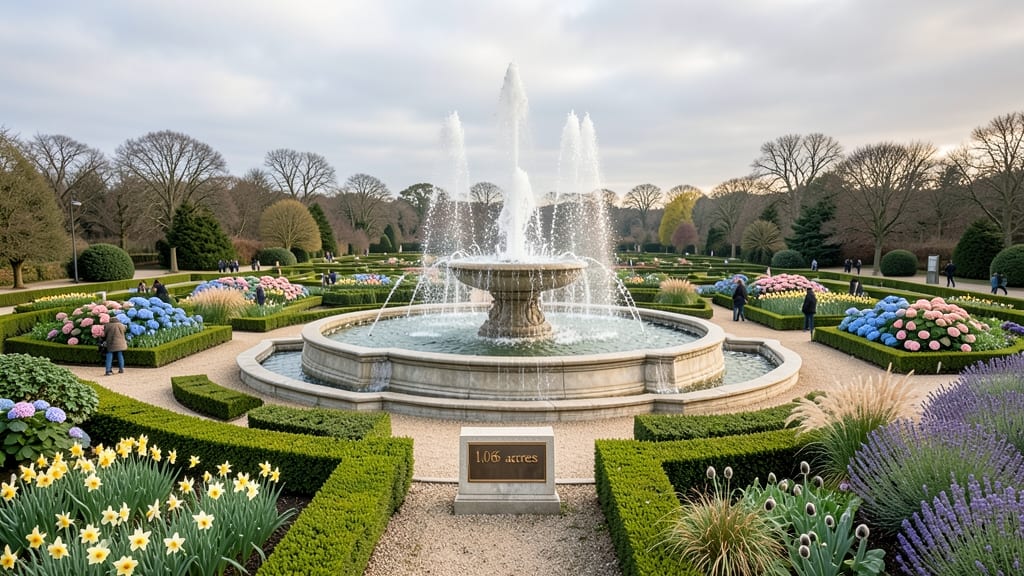
Longwood Gardens covers 1,066 acres in Kennett Square, Pennsylvania, featuring expansive gardens, woodlands, and the renowned Main Fountain Garden, solidifying its status as one of America's largest public garden spaces.
Longwood Gardens' size isn't just about raw acreage—it's how those acres are used.
The property balances meticulously designed gardens like the Main Fountain and Conservatory with over 800 acres of preserved woodlands, ensuring both beauty and ecological protection. 🌿 What makes this layout unique is how seasonal transformations reveal different portions of the estate, with spring blooms and winter light shows drawing visitors to distinct areas year-round.
This sprawling footprint also means Longwood can accommodate massive events—think the annual Lighting Festival that illuminates the gardens with millions of LED lights. The scale allows for both intimate strolls through the rose gardens and grand views from the 10-acre Italian Water Garden.
Few public gardens in the U.S. combine this level of curated beauty with such vast natural preserves.
💡 In This Article
- Longwood Gardens’ Land Breakdown: Gardens vs. Preserved Woodlands
- Comparing Longwood Gardens to Other Major U.S. Botanical Gardens
Longwood gardens’ land breakdown: gardens vs. preserved woodlands
Longwood Gardens' 1,066 acres are carefully divided between cultivated spaces and protected natural areas. About 266 acres are actively maintained gardens, including the famous Main Fountain Garden (a 10-acre showpiece) and the Conservatory Complex, which houses over 10,000 plants across four climate-controlled environments.
These gardens are designed for year-round visual impact, with seasonal displays that transform the landscape every few months.
The remaining 800+ acres consist of preserved woodlands, meadows, and wetlands that serve as critical wildlife habitats. This protected area includes the Brandywine Creek, which winds through the property, providing a natural waterway that supports diverse ecosystems.
Unlike many public gardens that prioritize cultivated spaces, Longwood's balance between manicured beauty and wild preservation creates a unique ecosystem where visitors can experience both carefully curated art and untouched nature within the same visit. 🌿
Seasonal changes dramatically affect which portions of Longwood feel most prominent. In spring, the 10-acre Azalea Garden bursts into color, while summer brings vibrant blooms to the Rose Garden. However, the woodlands remain a constant presence, offering shaded trails and birdwatching opportunities regardless of the season.
This duality means visitors can choose between structured garden tours or peaceful woodland hikes—all within the same property.
The design philosophy behind this division stems from Longwood's founding in 1906 by Pierre S. du Pont. He envisioned a space that would "educate the public in the principles of horticulture and landscape architecture" while also preserving natural areas.
This dual mission explains why 40% of the property remains undeveloped, protected under conservation easements that restrict future construction and maintain ecological integrity.
What makes this division particularly impressive is how the gardens and woodlands complement each other. For example, the 1.5-mile Brandywine Creek Trail winds through both cultivated areas and wild forests, creating a seamless transition between designed beauty and natural wilderness.
This thoughtful integration allows Longwood to offer 25 miles of walking trails that cater to all levels of exploration—from casual strollers to serious hikers.
Even the Lighting Festival, which draws over 500,000 visitors annually, demonstrates this balance. While the festival transforms the gardens into a dazzling light display, the woodlands remain dark and tranquil, providing a peaceful contrast.
This intentional design ensures that Longwood Gardens remains a destination for both nature lovers and horticulture enthusiasts throughout the year. ✨