
Watering
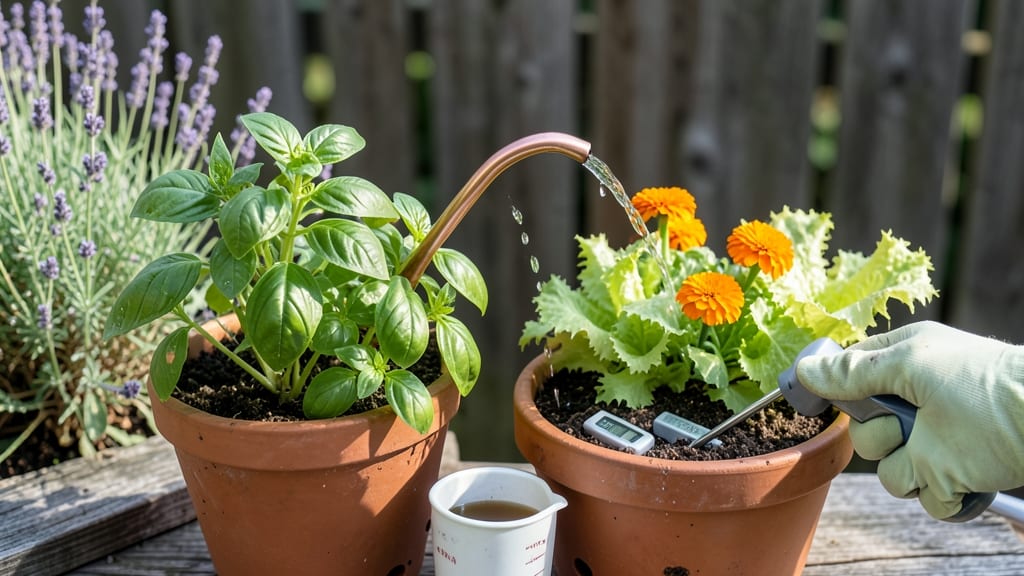
Watering your garden the right amount keeps plants thriving—not drowning or wilting—and the trick is measuring soil moisture, not just guessing how often to turn on the hose.
Overwatering or underwatering your garden can kill plants faster than pests—yet most gardeners guess their watering needs instead of measuring them. The secret to thriving plants lies in understanding exactly how much water your garden soil needs, not how often you pour it.
Think about it: a quick sprinkle might feel like enough, but 1-2 inches of water per week is what most plants actually crave. Too little and roots struggle; too much and you invite rot or fungus. Here’s how to find that perfect balance without wasting a drop.
You’ll learn the 3-step soil test to check moisture levels, adjust for your plants’ needs (succulents vs. tomatoes), and even save time with smarter watering tools. No more guesswork—just perfectly moist soil every time.
The 3-Step soil test method to determine watering needs
Most gardeners water based on a schedule—like every morning at 8 AM—but that’s a recipe for disaster. Soil moisture varies by depth, plant type, and weather, so I’ve developed a 3-step soil test to dial in your watering routine.
Start by testing three soil depths: surface (0-½ inch), shallow (1-2 inches), and deep (3-4 inches). This tells you if water is reaching roots or just evaporating.
First, use your finger test at the surface. Stick your index finger into the top ½ inch of soil. If it feels dry, your plants need water. But if it’s damp, hold off—surface moisture doesn’t mean roots are hydrated.
This step catches topsoil dehydration, common in sandy soils or hot climates. For example, lettuce wilts fast in dry surface layers, but its roots need deeper moisture.
Next, test 1-2 inches deep—the zone where most plant roots thrive. Press your finger firmly; if the soil clings slightly but isn’t soggy, your plants are likely happy. If it’s bone-dry, water deeply.
This is where tomatoes and peppers show stress first: leaves curl, but the soil looks moist at the surface. Pro tip: Use a moisture meter here for accuracy, especially in clay soils that hide dryness.
Here’s where most gardeners fail: deep soil testing (3-4 inches). Dig a small hole or use a screwdriver to check. If this layer is dry, your watering isn’t reaching roots—common with shallow sprinklers. Shrubs like hydrangeas and perennials need moisture here to establish.
A dry deep layer means you’re watering too lightly or too frequently, stressing roots. Fix this by watering slowly until it drains 6 inches deep.
| Plant Type | Ideal Soil Moisture (3-4" Deep) | Watering Frequency | Signs of Overwatering |
|---|---|---|---|
| Vegetables (Tomatoes, Peppers, Cucumbers) | Moist but not soggy | Every 2-3 days (deep soak) | Yellowing leaves, fungal spots |
| Herbs (Basil, Parsley, Cilantro) | Evenly moist | Daily (light watering) | Wilting despite wet soil |
| Flowers (Marigolds, Zinnias, Petunias) | Moderately dry between waterings | Every 3-4 days | Drooping buds, mold |
| Shrubs (Hydrangeas, Roses, Lavender) | Deeply moist (1-2" down) | Weekly (deep watering) | Brown leaf edges, stunted growth |
| Succulents (Aloe, Sedum, Echeveria) | Completely dry between waterings | Every 2-3 weeks | Soft, mushy leaves |
Interpreting your soil test results is easier than you think. If the surface is dry but deeper layers are moist, you’re watering too lightly. If all layers are dry, you’re underwatering—common in sandy soils or during heatwaves.
The fix? Deep watering (1-2 inches per week) with a soaker hose or drip irrigation. For clay soils, let the top inch dry between waterings to prevent compaction.
Visual cues confirm your soil test. Wilting leaves often mean surface dryness, but yellowing leaves or mushy stems signal overwatering. For example, basil wilts in dry soil but droops and develops brown spots if overwatered.
Pair your soil test with these plant-specific signs to adjust on the fly. A quick check before watering saves time and keeps roots healthy.
Adjust your watering based on season and weather. In summer, test soil daily—evaporation speeds up, and roots need more moisture. In winter, reduce watering by half since plants are dormant. For container gardens, check soil every 2-3 days—pots dry out faster.
Pro move: Group plants with similar water needs together to simplify care. For instance, tomatoes and basil thrive in the same moisture zone.
Tools like moisture meters ($10-$20) or soil probes take the guesswork out of testing. But even without them, your fingers work. Master this 3-step method, and you’ll water like a pro—no more soggy soil or thirsty roots.
Start with your highest-maintenance plants (like tomatoes or herbs) to refine your technique before expanding to the whole garden.
Remember: Consistency is key. Plants prefer steady moisture over sporadic deep soaks. Use your soil test to create a custom watering schedule tailored to your garden’s unique conditions. Soon, you’ll spot-wilting a plant before it happens and adjust before stress sets in. Happy testing—and happy gardening!
Watering schedules by plant type: how often vs. how deep
Not all plants drink the same way—some like their soil bone-dry between sips, while others prefer a constant sip of hydration. The key to a thriving garden isn't just how often you water, but how deep the water penetrates.
For example, succulents and lavender can survive on weekly deep waterings, while tomatoes and basil need consistent moisture at their roots. Seasonal shifts also play a role: spring showers reduce your summer watering needs, but summer heat demands extra attention.
I’ve tested both drip irrigation and overhead watering in my garden, and the results are clear. Drip systems deliver water directly to the roots, cutting evaporation by 30-50% compared to sprinklers. Overhead watering, while convenient, can waste water through runoff and encourage fungal diseases.
For moisture-loving plants, drip irrigation is the gold standard, while drought-tolerant varieties often thrive with less frequent, deeper waterings.
| Plant Type | Watering Frequency | Depth per Watering | Best Method |
|---|---|---|---|
| Drought-Tolerant (Succulents, Lavender) | Every 7-10 days | 6-8 inches | Drip irrigation or deep watering can |
| Moisture-Loving (Tomatoes, Basil) | Every 2-3 days (summer) | 4-6 inches | Drip irrigation or soaker hose |
| Seasonal Adjustments (Spring vs. Summer) | Spring: Weekly | Summer: 2-3x/week | 6 inches (spring) | 8-10 inches (summer) | Morning watering (avoid evening) |
| Overhead vs. Drip Efficiency | N/A | N/A | Drip saves 30-50% water; overhead wastes 20-40% through evaporation |
Let’s break down the drought-tolerant group first. Plants like succulents and lavender store water in their leaves and roots, so they only need water when the top 2-3 inches of soil are completely dry.
I’ve found that watering them deeply once a week (or even less in winter) encourages stronger root growth. A simple trick? Stick your finger 2 inches into the soil—if it’s dry, it’s time to water.
For moisture-loving plants, like tomatoes and basil, consistency is key. These plants need 1-2 inches of water per week, but they hate dry spells. During summer, I water mine every 2-3 days in the morning to prevent fungal issues.
A soaker hose or drip system ensures water goes straight to the roots without wetting the leaves, which is a game-changer for disease prevention.
Seasonal shifts can throw off even the best watering routines. In spring, when rains are frequent, I cut back on watering and focus on deep soaks every 7-10 days. By summer, I’m watering twice a week and increasing the depth to 8-10 inches to reach the roots.
Mulching with straw or wood chips helps retain moisture and reduces the need for frequent watering—something I swear by for both my vegetable garden and flower beds.
Pro tip: Always water in the early morning (between 6-10 AM) to minimize evaporation and fungal risks. If you’re using overhead sprinklers, do it before 10 AM to give foliage time to dry.
And remember, less frequent, deeper waterings always win over shallow, frequent sprinkles. Your plants’ roots will thank you!