
How To
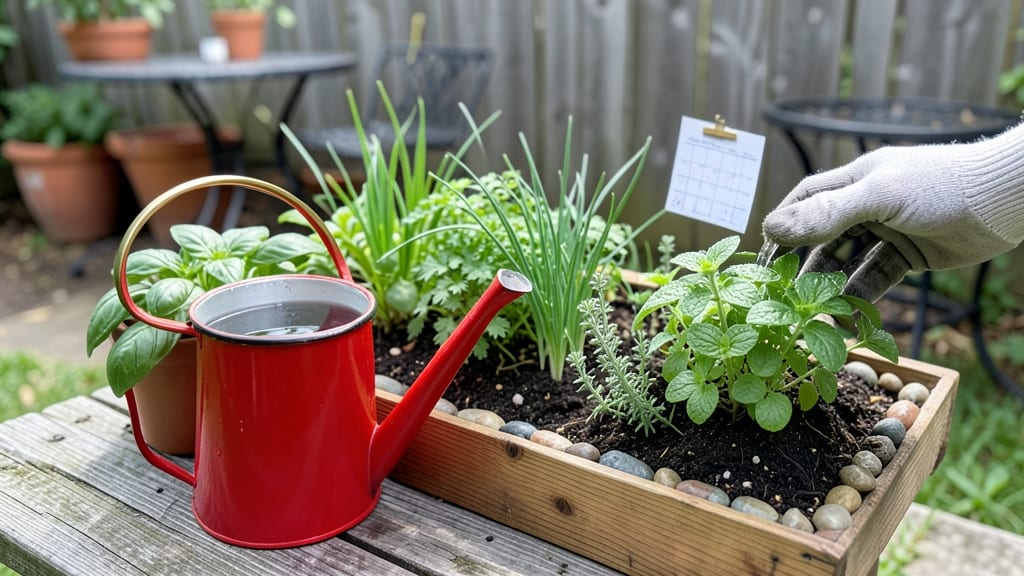
Watering an herb garden the right way keeps those 🌿 fresh leaves thriving instead of turning them into sad, wilted messes.
Struggling to keep your herb garden thriving? Overwatering or underwatering can turn your fresh basil into sad, wilted leaves overnight — here’s the science-backed watering schedule that actually works.
Most herbs need water every 3-5 days in Zone 6a, but that changes with the season and whether your herbs are in pots or planted in the ground. Mediterranean herbs like rosemary can handle drought better than moisture-loving basil, so knowing the difference is the key to lush growth.
Below, I break down the exact watering routine for your 🌿 herb garden, including how to adjust for summer heat, winter dormancy, and the best times to water for maximum flavor and health.
The perfect watering schedule for herb gardens by plant type
Watering your herb garden isn't one-size-fits-all—different herbs crave different moisture levels. Mediterranean herbs like rosemary and thyme thrive with minimal water, while tropical herbs such as basil and cilantro need consistent moisture.
Understanding these needs prevents soggy soil or thirsty plants. The key is matching your watering routine to each herb's natural habitat and your local climate.
Your soil type plays a huge role too. Sandy soil drains quickly, requiring more frequent watering, while clay holds moisture longer. Container herbs dry out faster than in-ground plants, so they need attention every 2-3 days in summer.
Let's break down the ideal watering schedule by herb category to keep your garden lush and flavorful all season.
For Mediterranean herbs, I recommend letting the soil dry completely between waterings. These drought-tolerant plants store water in their woody stems, so frequent watering actually causes root rot. Check the soil 3-4 inches deep—if it's dry, it's time to water.
In USDA zones 7-10, you might only need to water once every 10 days during mild winters.
Tropical herbs like basil and cilantro demand more attention. Their large leaves transpire quickly, so I water mine in the morning to prevent fungal diseases from evening moisture. In hot, dry climates, I increase frequency to daily watering during peak summer months.
A simple trick is to stick your finger 1-2 inches deep—if it feels dry, water thoroughly until it runs out the drainage holes.
Moisture-loving herbs such as mint and parsley need consistent dampness. I keep their soil evenly moist, similar to a wrung-out sponge. These herbs often spread aggressively, so I plant them in containers to control their thirst.
In humid climates, reduce watering slightly to avoid fungal issues, but never let the soil dry out completely.
Containers dry out 2-3 times faster than in-ground gardens, so I check them daily during summer. Use pots with drainage holes and mulch the surface to slow evaporation. For container herbs, I water until water flows freely from the bottom, ensuring roots get a deep drink.
In winter months, reduce watering to every 2 weeks as growth slows dramatically.
Your local climate zone significantly impacts watering needs. In arid regions, I water early in the morning to minimize evaporation, while in coastal areas, I adjust for higher humidity by reducing frequency.
Always observe your plants—yellowing leaves often signal overwatering, while crispy edges mean underwatering. Adjust your schedule based on these visual cues rather than sticking rigidly to a calendar.
Pro tip: Group herbs with similar water needs together in your garden. This zonal watering approach makes maintenance easier and ensures each plant gets exactly what it needs.
For example, pair rosemary with thyme in one section and basil with cilantro in another. This method saves time and prevents mix-ups that could stress your plants.
Remember, morning watering is always best—it gives plants a full day to dry out, reducing fungal risks. Avoid watering at night, as damp foliage invites diseases like powdery mildew. With this tailored approach, your herb garden will stay vibrant, flavorful, and free from water-related stress all season long.
Soil-moisture tests to avoid overwatering or drought stress
Watering your herb garden can feel like a guessing game—too much and you drown your basil, too little and your thyme wilts. The key is understanding soil moisture before you water.
Instead of following rigid schedules, I rely on simple, science-backed tests to gauge when my herbs actually need hydration. These methods work for both container gardens and in-ground plantings, saving you time and keeping your herbs thriving.
Overwatering is the #1 killer of herb gardens, but underwatering can be just as damaging. The good news? With a few quick checks, you can master the perfect watering rhythm. Start by testing the moisture at the root zone—this is where the action happens.
For most herbs, that means checking the top 1-2 inches of soil. If it’s dry, it’s time to water; if it’s damp, hold off. Let’s break down the best tests to use.
🌱 5 Soil-Moisture Tests for Herb Gardens
-
1. The Finger-Check Test
Stick your index finger 1-2 inches into the soil. If it feels dry, water immediately. If it’s damp or cool, wait another day. Containers dry out faster—check daily in summer. -
2. The Weight Test
Lift your herb pot—if it feels light, the soil is dry. A heavier pot means moisture remains. For in-ground herbs, dig a small hole near the plant; if the soil crumbles easily, it’s dry. -
3. Visual Soil Cues
Look for cracked soil or dusty surface—signs of drought. Healthy soil should look dark and slightly moist. For tropical herbs like basil, the soil should never dry out completely. -
4. The Stick Test
Insert a wooden chopstick or skewer into the soil. Pull it out—if it’s clean, water now. If dirt clings, hold off. This works great for grouped herbs in raised beds. -
5. Leaf & Stem Signals
Wilted leaves that don’t perk up after watering = underwatering. Yellowing leaves or mushy stems = overwatering. Rosemary and oregano are drought-tolerant; they’ll bounce back faster than basil.
Adjust your watering based on the herb type and container material. For example, clay pots dry out quicker than plastic, while in-ground herbs retain moisture longer. I water my container basil every 2-3 days in summer but only every 5-7 days for in-ground thyme.
Pay attention to your local climate—humid areas need less water than dry, windy spots.
Morning is the best time to water because it gives leaves time to dry before evening, reducing fungal diseases. Avoid watering at night, especially for moisture-loving herbs like mint or parsley.
If you’re unsure, stick to the finger-check test—it’s foolproof and works for every herb in your garden. With these tests, you’ll never guess again!
Pro tip: Keep a watering journal to track what works for your specific herbs. Note the soil type, pot size, and weather conditions. Over time, you’ll spot patterns and fine-tune your watering routine. Your herbs will thank you with vibrant growth and bold flavors. Happy gardening!