
Planting
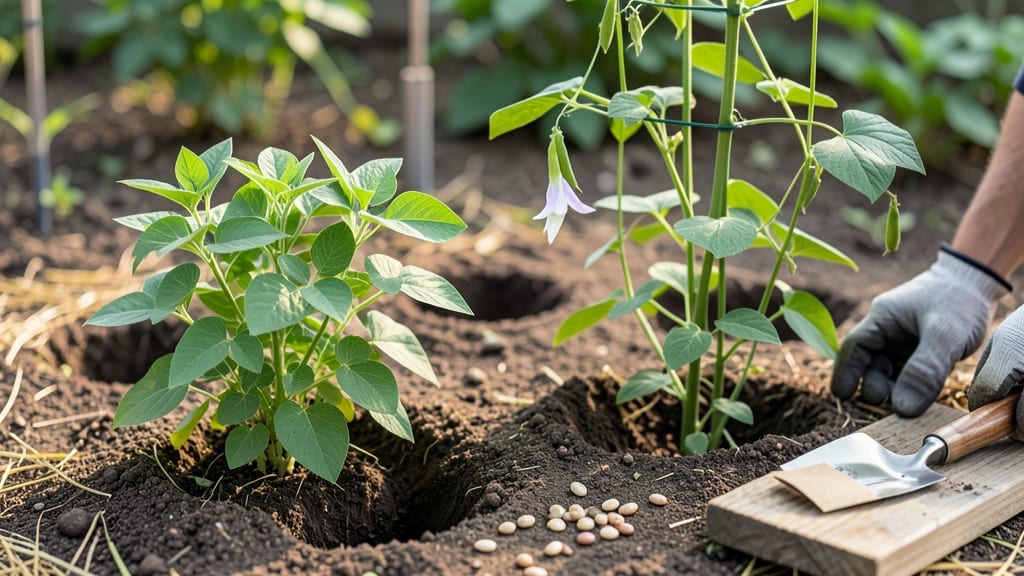
To plant green beans in your garden fast, start by sowing seeds 1 inch deep in warm soil after the last frost—typically April to May in Zone 6a.
Struggling to get your green beans to sprout quickly? The secret lies in mastering soil depth and timing—two simple tricks that can double your germination success and save you weeks of waiting.
Green beans 🌱 thrive in well-drained soil with full sun, but even the best location won’t help if you plant too deep or too early. A slightly deeper hole than you think (1 inch, not ½ inch) keeps moisture where the seeds need it most.
Below, I’ll walk you through the exact planting steps—from soil prep to spacing—so your beans pop up in 5-7 days instead of weeks. Ready to grow a bumper crop?

Optimal soil depth and planting techniques for green bean germination
Green beans are one of the easiest vegetables to grow, but their success starts with the right soil depth and planting technique. Unlike many plants, green beans thrive when planted just 1 inch deep—any deeper, and they struggle to break through the soil.
This shallow planting ensures faster germination, which is especially critical if you're working with a short growing season like mine in Zone 6a.
The key to fast sprouting isn't just depth—it's also soil temperature. Green beans need soil that's warmed to at least 60°F (15°C), but they perform best when temperatures hover between 60-85°F (15-29°C).
If your soil is cooler, germination can take weeks longer, or worse, the seeds may rot before sprouting. That's why I always check soil temps with a simple soil thermometer before planting.
There are two main ways to plant green beans: direct sowing in the garden or starting them in starter pots indoors. Direct sowing is my preferred method for bush beans because it's simpler and reduces transplant shock.
However, pole beans often benefit from a head start in pots, especially if you're planting late in the season. Both methods require slightly different approaches, but the soil depth rule stays the same—never deeper than 1 inch.
Now, let's dive into the step-by-step process. Whether you're a beginner or a seasoned gardener, these techniques will help you achieve 90%+ germination rates—a dramatic improvement over the 50% success I used to see when I planted too deep or in cold soil.
How to Plant Green Beans in Garden: Step-by-Step Guide
- 1 Choose the right time: Wait until the soil temperature reaches 60°F (15°C) and all frost danger has passed. In Zone 6a, this is typically April-May after the last frost date.
- 2 Prepare the soil: Loosen the top 6 inches of soil with a garden fork or tiller. Mix in 2-3 inches of compost to improve drainage and fertility. Green beans prefer well-draining soil with a pH of 6.0-7.0.
-
3
Decide on spacing:
- Bush beans: Plant seeds 3-4 inches apart in rows 18-24 inches apart.
- Pole beans: Plant seeds 4-6 inches apart along trellises or supports, with rows 18-24 inches apart.
- 4 Plant the seeds: Make small holes 1 inch deep using your finger or a dibber. Place 2-3 seeds per hole (you'll thin later). Cover gently with soil and avoid compacting it—this helps seeds access air and moisture.
- 5 Water carefully: Keep the soil consistently moist but not waterlogged. Use a fine mist or watering can to avoid displacing seeds. Aim for 1 inch of water per week, either from rainfall or irrigation.
- 6 Thin the seedlings: Once sprouts appear (usually in 7-14 days), thin to the strongest seedling per hole. Use scissors to snip weak sprouts at soil level to avoid disturbing roots.
- 7 Add trellises (for pole beans): If growing pole beans, install trellises or stakes as soon as seedlings are 4-6 inches tall. Gently tie vines to supports with soft twine or plant clips to encourage upward growth.
If you're planting in starter pots indoors, follow the same depth rule—1 inch deep—but use a seed-starting mix instead of garden soil. Keep pots in a warm spot (70-75°F) until sprouts appear, then move them to a sunny windowsill or under grow lights.
Harden off seedlings for 7-10 days before transplanting outdoors after the last frost.
One common mistake I used to make was planting seeds too deep in hopes of better moisture retention. But green beans have tiny cotyledons that struggle to
5 Proven soil preparation tips to boost green bean growth
Green beans thrive when their roots dive into nutrient-rich, well-aerated soil.
Before you even think about planting those seeds, focus on creating the perfect foundation. Soil pH between 6.0 and 7.0 is ideal, and adding organic matter like compost or aged manure will give your beans the energy they need to grow strong and productive.
Don't skip this step—healthy soil equals happy plants!
One of the biggest mistakes gardeners make is neglecting soil preparation. Poor drainage or compacted soil can stunt growth and reduce yields. Green beans need loose, crumbly soil that allows roots to spread easily.
If your garden soil feels heavy or clay-like, mix in sand or perlite to improve aeration and drainage. This simple adjustment can make all the difference in your harvest.
Now, let's dive into the actionable steps that will set your green beans up for success. These five tips are game-changers for any gardener looking to maximize their yield and keep pests at bay.
Test and Adjust Soil pH
Use a soil pH test kit to check your garden's acidity. Aim for 6.0-7.0. If your soil is too acidic, add lime; if too alkaline, mix in sulfur or peat moss.
Add Organic Matter
Work in 2-3 inches of compost or well-rotted manure 2-3 weeks before planting. This boosts nutrient content and improves soil structure for better root growth.
Improve Drainage
For heavy clay soil, mix in coarse sand or perlite to create air pockets. Test drainage by digging a hole, filling it with water, and checking if it drains within an hour.
Plant Companion Crops
Pair green beans with corn and lettuce to deter pests naturally. Corn provides shade, lettuce attracts beneficial insects, and both improve soil health as they grow.
Mulch for Moisture
Apply 2-3 inches of straw or grass clippings after planting. Mulch retains moisture, suppresses weeds, and keeps soil temperatures stable for consistent growth.
Don't overlook the power of companion planting—it's a natural way to boost growth and reduce pests. Green beans pair beautifully with corn, lettuce, and radishes, while avoiding planting near onions or garlic, which can stunt their growth.
This simple strategy creates a thriving ecosystem right in your garden bed.
Finally, mulching isn't just about keeping weeds down—it's a critical step for maintaining consistent soil moisture and temperature. Organic mulches like straw or wood chips break down over time, adding nutrients back to the soil.
Plus, they help prevent soil-borne diseases by keeping foliage dry. Think of mulch as your garden's protective blanket!
With these five soil prep tips, you're setting your green beans up for a bountiful harvest. Remember, healthy soil equals healthy plants, and healthy plants mean more delicious beans for you to enjoy all season long. Happy gardening! 🌱