
Watering
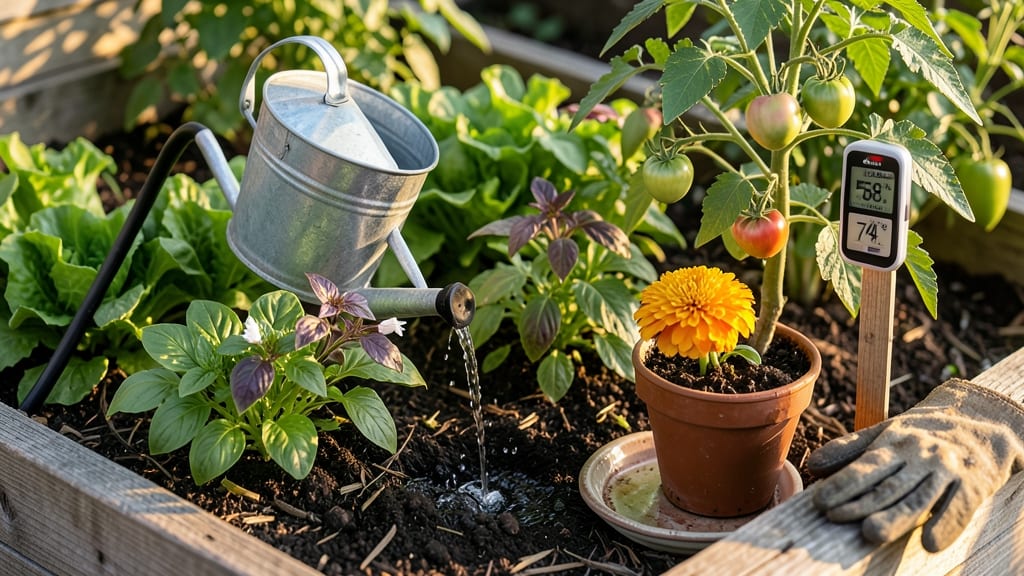
Watering your garden in the morning or evening makes a surprising difference in how your 🌱 Garden Vegetables & Plants grow and thrive.
Did you know that watering at the wrong time can waste up to 30% of your water while stressing your plants? The battle between morning and evening watering isn't just about convenience—it's about maximizing root health, preventing disease, and conserving resources.
Morning watering gives your plants a head start, reducing evaporation and fungal risks, while evening watering can lead to damp foliage that invites pests. But the best time depends on your climate, soil type, and the specific needs of your garden.
Below, I’ll break down the science behind watering times, share climate-specific tips, and reveal the most efficient methods to keep your garden lush without overwatering.
Morning vs evening watering: how temperature and humidity affect root development
Choosing between morning and evening watering isn't just about your schedule—it's about root health and water efficiency. Studies show that soil temperature and humidity levels vary dramatically between these times, directly impacting how well your plants absorb moisture.
In the morning, cooler temperatures and lower humidity mean water penetrates deeper, while evenings can trap moisture near the surface, inviting fungal growth. Let's break down the science behind each approach to help you make the best choice for your garden's unique conditions.
When you water in the morning, you're working with cooler soil and lower evaporation rates. This allows water to seep into the soil gradually, reaching deeper roots where they need it most. The relative humidity is typically lower in the morning, which helps prevent fungal spores from thriving.
For most gardeners, this is the gold standard for watering—especially in humid climates where evening moisture lingers too long.
Evening watering, on the other hand, can be beneficial in hot, dry climates where daytime evaporation is extreme. Watering after sunset allows plants to absorb moisture before temperatures rise again the next day.
However, this method comes with risks: high humidity at night can create the perfect environment for powdery mildew and root rot. If you choose evening watering, aim to finish at least 2-3 hours before sunset to give the foliage time to dry.
| Factor | Morning Watering (6-9 AM) | Evening Watering (6-9 PM) |
|---|---|---|
| Evaporation Rate | Low (10-20%) | High (30-50%) |
| Soil Temperature | Cooler (60-75°F) | Warmer (75-85°F) |
| Humidity Levels | Lower (40-60%) | Higher (60-80%) |
| Root Oxygenation | Optimal (aerated soil) | Reduced (compacted soil) |
| Fungal Risk | Low | High |
| Best For | Humid climates, most plants | Arid climates, drought-tolerant plants |
The key to understanding why morning watering often wins lies in soil aeration. Cooler morning temperatures keep soil loose, allowing oxygen to reach roots more efficiently. Roots need oxygen just as much as water, and compacted soil from evening watering can suffocate them.
Additionally, morning watering gives plants a full day to dry out, reducing the risk of bacterial and fungal infections that thrive in damp conditions.
For gardeners in arid regions, evening watering can be a lifesaver. The intense heat of the day causes water to evaporate almost instantly, making morning watering a waste of resources. In these climates, watering in the evening ensures moisture reaches the roots before the sun rises again.
However, even in dry areas, it's crucial to water early enough to avoid prolonged leaf wetness—aim for 6-8 PM at the latest.
Humidity plays a critical role in determining the best watering time. In humid climates like the southeastern U.S., morning watering is almost always the best choice. The combination of high nighttime humidity and warm days creates ideal conditions for powdery mildew and black spot on foliage.
By watering in the morning, you allow leaves to dry quickly, minimizing disease pressure. In contrast, dry climates like those in the Southwest benefit from evening watering, as it reduces daytime evaporation losses by up to 40%.
Don't overlook the role of mulch in your watering strategy. Whether you water in the morning or evening, a 2-3 inch layer of organic mulch can improve moisture retention by 30-50%**. Mulch acts like a blanket, keeping soil temperatures stable and reducing evaporation.
This means you can water less frequently, regardless of the time of day. For best results, apply mulch after watering to lock in moisture and protect roots from temperature fluctuations.
If you're still unsure which time works best for your garden, consider using a soil moisture meter. These tools measure how dry your soil is, helping you water only when necessary.
Pair this with a consistent watering schedule—whether morning or evening—and you'll see a noticeable improvement in root development and overall plant vigor. Remember, the goal is to keep the soil consistently moist but never soggy, and the time you water plays a huge role in achieving that balance.
For container gardens, the rules shift slightly. Pots dry out faster, especially in full sun, so morning watering is often ideal. However, if you're dealing with succulents or cacti, evening watering can prevent the rapid evaporation that occurs in hot afternoons. Always check the moisture level at the base of the pot—if the top inch of soil feels dry, it's time
When to break the rules: exceptions for arid climates and disease-prone plants
While morning watering is often the golden rule, arid climates and disease-prone plants sometimes demand exceptions. In hot, dry regions, evening watering can be a lifesaver by reducing evaporation and helping roots absorb moisture before the scorching sun rises.
However, this approach isn’t one-size-fits-all—some plants thrive only with morning hydration.
For example, succulents and cacti in desert gardens actually prefer evening watering. Their thick leaves store water efficiently, and hydrating them at night minimizes water loss during the day. Meanwhile, leafy greens like lettuce or tomatoes can develop fungal issues if water sits on foliage overnight, making morning watering critical.
- Reduces evaporation in arid climates
- Helps drought-tolerant plants like succulents
- Cools soil overnight for heat-stressed roots
- Increases fungal risk for leafy plants
- Wet foliage overnight invites mildew
- Less efficient in humid climates
- Prevents fungal diseases like powdery mildew
- Allows foliage to dry before evening humidity
- Maximizes root absorption during cooler temps
- Higher evaporation in hot climates
- Stresses drought-prone plants like cacti
- Requires early wake-ups for consistent timing
- Succulents
- Cacti
- Arid-zone perennials
- Leafy greens
- Tomatoes
- Herbs like basil
In humid climates, evening watering can turn disastrous for plants like roses or peppers, which are prone to blight and bacterial spots. Wet leaves overnight create the perfect breeding ground for pathogens.
However, in USDA Zone 9b or hotter, where daytime temps soar past 95°F, evening watering can be a necessity to keep roots hydrated.
Another exception? Newly transplanted seedlings or container plants in full sun. These need consistent moisture, and evening watering can help them establish roots faster. Just avoid overhead sprinklers—always water at the base of the plant to prevent fungal issues.
So how do you decide? Start by observing your garden’s microclimate. If your area has low humidity and high daytime heat, evening watering might be your best bet.
But if fungal diseases like powdery mildew are a recurring problem, stick with morning watering and focus on improving air circulation around plants.
Pro tip: Use a soil moisture meter to monitor when your plants truly need water. This tool removes the guesswork and helps you adjust your schedule based on real-time soil conditions—whether that means morning, evening, or even early afternoon in extreme heat.