
Planting
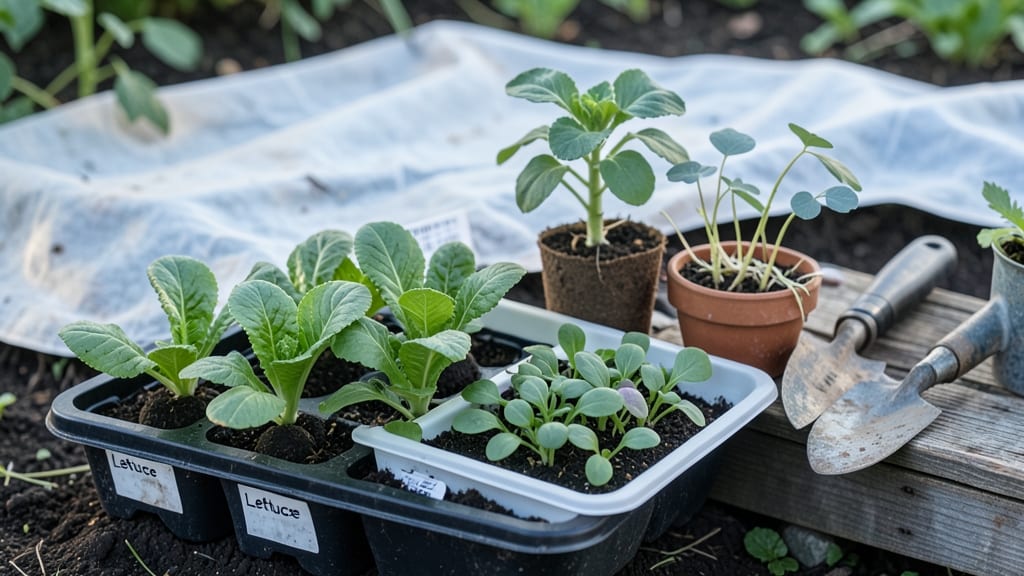
Planting a garden in Ohio after the last frost date—typically mid-April to mid-May—is your best shot at a bountiful harvest 🌱.
Ohio’s unpredictable spring weather can turn a gardener’s best-laid plans into a guessing game—plant too early, and frost ruins your crops; too late, and you miss the growing season. But with the right timing, you can maximize yields and avoid common mistakes that plague Midwestern gardeners.
In this guide, I’ll break down the exact frost-free dates by region, so you know when to start cool-season crops like peas and lettuce, and when to hold off for warm-season favorites like tomatoes and peppers.
You’ll also discover Ohio-specific tips for soil prep, microclimates, and how to extend your growing season with mulch or row covers—so you can enjoy fresh veggies from spring to fall.
Ohio’s frost-free dates by region: when to start planting
Ohio’s last frost dates vary dramatically from north to south, making it critical to adjust your planting schedule based on your exact location. While the state spans USDA Zones 5b–6b, microclimates—especially in cities like Columbus or Cleveland—can shift frost windows by 1–2 weeks.
Urban areas often warm up faster than rural spots due to heat islands, while valleys and low-lying regions hold cold longer.
For most of Ohio, the average last frost date falls between mid-April and early May, but this can swing 10–14 days earlier or later depending on elevation and weather patterns.
Southern Ohio (e.g., Cincinnati, Chillicothe) typically sees frost-free conditions by April 15–20, while northern regions (e.g., Toledo, Youngstown) may wait until May 1–10. Always check the National Weather Service or local agricultural extension for real-time updates.
Here’s how Ohio’s regions break down for spring planting windows, including adjustments for cool-season vs. warm-season crops:
| Region | Last Frost Date | First Frost Date | Plant Cool Crops | Plant Warm Crops | Notes |
|---|---|---|---|---|---|
| Northwest (Toledo, Lima) | May 1–10 | October 15–25 | March 15–April 15 | May 15–June 1 | Cooler, shorter season; use row covers. |
| Northeast (Cleveland, Akron) | April 25–May 5 | October 5–15 | March 20–April 10 | May 10–20 | Urban heat islands may allow earlier planting. |
| Central (Columbus, Dayton) | April 15–25 | October 10–20 | March 1–April 1 | April 25–May 10 | Longest growing season; ideal for tomatoes and peppers. |
| Southeast (Athens, Cincinnati) | April 10–20 | October 20–November 5 | February 28–March 15 | April 15–25 | Warmest region; can grow sweet potatoes and okra. |
| Southwest (Chillicothe, Xenia) | April 5–15 | October 25–November 10 | February 15–March 1 | April 10–20 | Early starts for melons and peppers; watch for humidity. |
For cool-season crops like lettuce, peas, and spinach, you can start seeds indoors 6–8 weeks before your last frost date or sow directly into the garden 4–6 weeks beforehand. These plants tolerate light frosts and even thrive in 50°F soil temperatures.
In contrast, warm-season crops such as tomatoes, peppers, and cucumbers need soil temperatures above 60°F and should only be planted after the last frost—typically 2–4 weeks after your region’s average date.
Best planting schedule for Ohio’s most popular crops
Ohio gardeners know timing is everything—especially when warm-season crops like tomatoes and peppers need stable 60°F+ soil to thrive. But with Ohio’s USDA Zones 5–6, you can stretch your growing season by planting cold-hardy crops early and heat-loving plants late.
The key? Start 4–6 weeks before last frost for seedlings and use succession planting to keep harvests flowing.
For lettuce, spinach, and radishes, sow seeds as soon as soil is workable in early March (Zone 6) or late March (Zone 5). These cool-season crops bolt in summer heat, so plan for fall replanting in August.
Meanwhile, beans and peas can handle light frosts, making them perfect for April sowing.
Here’s your Ohio planting calendar for top crops, including succession tips to avoid gaps in your harvest:
| Crop | Planting Time | Succession Tip | Ohio Variety |
|---|---|---|---|
| Lettuce | March–April, August–September | Sow every 2 weeks for continuous harvest | 'Black Seeded Simpson' |
| Tomatoes | April 15–May 15 (after frost) | Use row covers for early starts | 'Better Boy' or 'Patio Princess' |
| Peppers | May 1–June 1 (start indoors) | Transplant after soil hits 70°F | 'Carolina Wonder' (heat-tolerant) |
| Green Beans | April–May, July (for fall harvest) | Plant in succession every 3 weeks | 'Provider' (bush type) |
| Carrots | March–April, August | Thin seedlings to 3" apart | 'Danvers Half Long' |
For tomatoes and peppers, Ohio’s short growing season demands early starts. Begin indoor seedlings in March and harden them off before transplanting after May 15. If you’re in northern Ohio, opt for determinate varieties like 'Roma'—they ripen faster than indeterminate types.
Don’t forget fall planting! After Labor Day, sow kale, broccoli, and spinach for harvests before first frost (usually mid-October). Use black plastic mulch to warm soil and extend the season by 2–3 weeks.
Pro tip: Keep a planting journal to track Ohio’s unpredictable frost dates. If you miss the spring window, try container gardening—it lets you move heat-sensitive plants to shade on hot days and brings them back to sun when temps drop.