
Planting
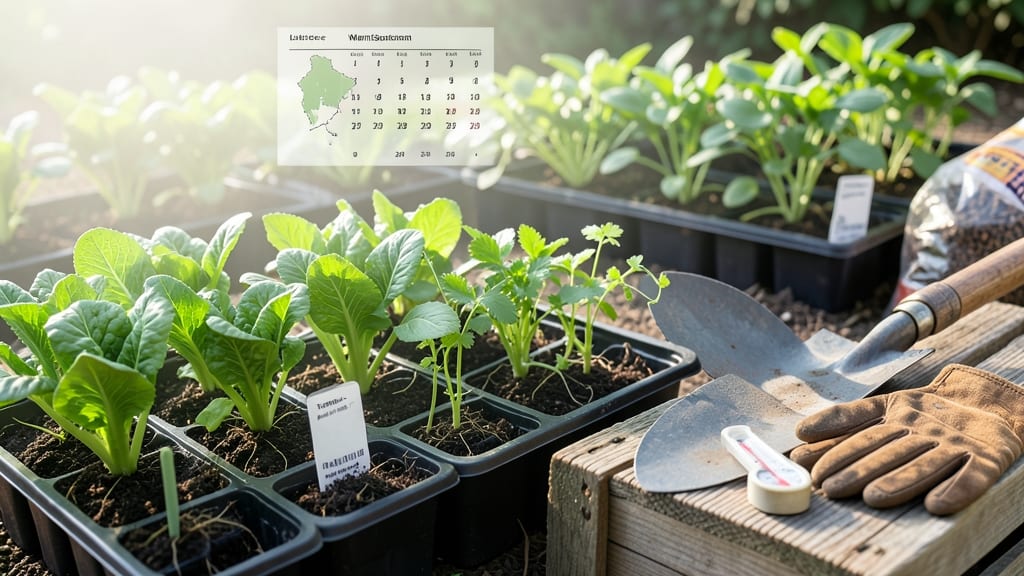
Planting a garden in Ohio at the right time means the difference between a lush harvest and a sad, frost-nipped disappointment.
Ohio’s unpredictable spring weather can make or break your garden—planting too early risks frost damage, while waiting too long shortens your growing season. Use this guide to pinpoint the exact planting windows for Ohio’s diverse climate zones, from hardy greens to heat-loving tomatoes.
Whether you’re in Southern Ohio’s 6b zone or Northern Ohio’s cooler 5a, timing matters.
Cool-season crops like peas and lettuce can go in as early as March, while tomatoes and peppers need to wait until after the last frost—usually around April 15—when soil warms to at least 50°F.
Below, I’ll break down the ideal planting schedule by crop, share tricks for extending your season, and help you adjust for Ohio’s microclimates—so you can grow more, waste less, and enjoy a garden that thrives all year.
Ohio’s frost-free date calculator: planting windows by region and crop type
Ohio spans USDA zones 5a to 6b, meaning frost-free dates vary dramatically—from early April in southern regions like Cincinnati to late May in northern areas like Cleveland. These differences create 30-45 day planting windows between zones, which can make or break your harvest.
Cool-season crops like spinach and peas thrive in Ohio’s short spring, while warm-season favorites like tomatoes and peppers need the full summer heat.
To simplify, I’ve broken down Ohio’s average last frost dates by region and paired them with the ideal planting windows for 15+ popular vegetables. Urban areas often warm up faster than rural spots due to heat islands, so adjust your schedule if you’re gardening in the city.
For example, Columbus typically sees its last frost 10 days earlier than Toledo.
Pro Tip: Use a frost-free date calculator (like the one from the Old Farmer’s Almanac) to input your ZIP code and get hyper-localized dates. Then, add 2-4 weeks to those dates for warm-season crops that need soil warmth to germinate. For instance, if your last frost is May 1, plant tomatoes indoors in March and transplant them after May 15.
🌱 Key Takeaway: Ohio’s growing season averages 160-200 frost-free days, so timing is everything. Cool-season crops should go in 4-6 weeks before the last frost, while warm-season crops need to wait until 2 weeks after to avoid frost damage. Below is your Ohio planting timeline by crop type and region.
| Crop Type | USDA Zones | Planting Window | Last Frost Date | Notes |
|---|---|---|---|---|
| Cool-Season Crops (Spring) | 5a-6b | 4-6 weeks before last frost | April 1 (South) - May 10 (North) | Spinach, peas, lettuce, broccoli |
| Warm-Season Crops (Summer) | 5a-6b | 2 weeks after last frost | April 15 (South) - May 25 (North) | Tomatoes, peppers, cucumbers, beans |
| Peas | 5a-6b | March 15 - April 15 | April 1 - April 30 | Tolerates light frost; plant early |
| Lettuce | 5a-6b | March 15 - April 30 | April 1 - April 30 | Succession plant every 2 weeks |
| Spinach | 5a-6b | March 15 - May 1 | April 1 - April 30 | Bolt-resistant varieties for summer |
| Broccoli | 5a-6b | March 1 - April 15 | April 1 - April 30 | Start indoors 6-8 weeks before transplant |
| Tomatoes | 5a-6b | April 15 - May 15 (transplant) | April 15 - May 25 | Start seeds indoors March 1 |
| Peppers | 5a-6b | April 20 - May 10 (transplant) | April 15 - May 25 | Needs soil temps >60°F to germinate |
| Cucumbers | 5a-6b | May 1 - May 15 | April 15 - May 25 | Direct sow after last frost |
| Beans | 5a-6b | May 1 - June 1 | April 15 - May 25
How to adjust planting dates for Ohio’s unpredictable weather patternsOhio’s unpredictable frost dates and sudden temperature swings can throw off even the most experienced gardener. I’ve learned the hard way—planting peas too late in May means missing the 60-day harvest window before summer heat sets in. The key is flexibility: using season-extending tools and adjusting planting schedules based on real-time weather data rather than relying solely on averages. Start by checking your local USDA zone (5a-6b)—Northern Ohio’s last frost can arrive 2-3 weeks later than Southern Ohio. I always cross-reference the National Weather Service’s 14-day forecast with historical averages from the Ohio State University Extension. This helps me fine-tune my planting calendar for crops like tomatoes and peppers, which need warm soil to thrive.
⚠️ Common Mistake Alert: Planting cold-hardy crops like spinach too early in March often leads to bolting when warm spells trigger premature flowering. Instead, use row covers to protect early plantings and extend the harvest window by 3-4 weeks. For warm-season crops, wait until soil temps hit 60°F+—even if flowers bloom, frost-sensitive plants like eggplants will die back if night temps dip below 50°F.
One of my favorite tricks is succession planting for fast-growing crops like bush beans or lettuce. I stagger plantings every 2 weeks from May through July to ensure a continuous harvest. For example, I’ll plant a row of radishes in early May, another in late May, and a final row in early June—this guarantees fresh radishes all summer long, even if the first planting bolts from heat. Cold frames and low tunnels are game-changers for extending Ohio’s growing season. I use them to start cool-season crops like kale and carrots in late August for a fall harvest. The clear plastic or glass creates a microclimate that traps heat during the day and insulates at night, pushing back the first frost by 4-6 weeks. Just be sure to ventilate on warm days to prevent overheating. Don’t overlook weather forecast tools like the Old Farmer’s Almanac or local CoCoRaHS stations. I’ve found that urban areas (like Columbus) often have warmer microclimates than rural zones, so I adjust my planting dates accordingly. For instance, I might plant tomatoes a week earlier in the city than in a Zone 5a farm. Always keep a garden journal to track what works—and what doesn’t—in your specific spot. Finally, remember that Ohio’s weather is unpredictable, but your garden doesn’t have to be. By combining season-extending tools, succession planting, and real-time weather monitoring, you can turn Ohio’s short growing season into a bountiful harvest—no matter what Mother Nature throws your way. Start small, experiment, and don’t be afraid to adjust on the fly! 🌱 |