
Planting
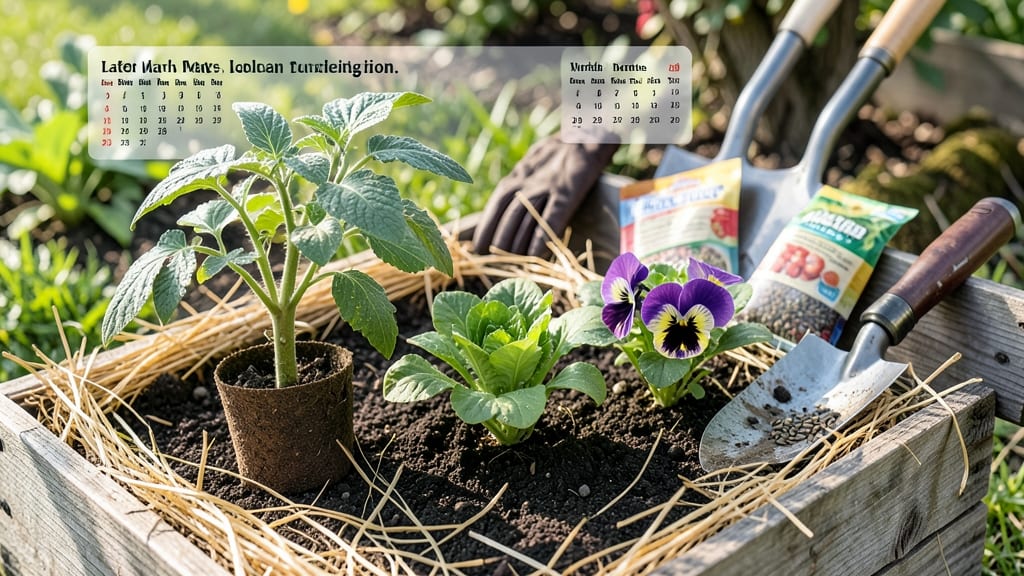
The best time to plant a garden in Ohio is between mid-April and early June for most vegetables and flowers, aligning with the state’s USDA Zones 5-6 frost-free window.
Ohio’s unpredictable spring weather can turn a gardener’s excitement into frustration—plant too early, and frost ruins your crops; too late, and you miss peak harvests. But timing your garden perfectly in USDA Zones 5-6 isn’t just about guessing—it’s about leveraging Ohio’s unique climate patterns for maximum success.
With last frost dates ranging from April 15 in southern Ohio to May 15 in the north, the key is knowing which crops thrive in early spring (like peas and spinach) versus those that need warmer soil (tomatoes, peppers).
Urban areas may even have slightly earlier planting windows due to heat islands.
Below, I’ll break down the exact planting windows for your garden 🌱, how to adjust for Ohio’s microclimates, and pro tips to extend your growing season—so you can avoid the most common mistakes and enjoy a bountiful harvest.
Ohio planting calendar by season: exact months for vegetables, flowers, and herbs in zones 5-6
Ohio’s USDA Zones 5-6 offer a 150-day growing season on average, but timing matters more than anywhere else due to unpredictable frost. The last frost typically arrives between April 15–May 15, while the first frost hits October 15–November 1.
These dates separate your cool-season crops from warm-season powerhouses—and getting them wrong can mean the difference between a bountiful harvest and a wasted season.
Northern Ohio (Zone 5b) has shorter frost-free periods, while southern Ohio (Zone 6a) enjoys 2–3 extra weeks of warmth. Even within cities, urban heat islands can push planting dates 1–2 weeks earlier than rural areas.
Below, I’ve broken down the exact months for planting vegetables, flowers, and herbs, plus how to adjust for your microclimate.
For cool-season vegetables like spinach, peas, and kale, I recommend starting seeds indoors in March or direct-sowing in early April. These hardy crops can handle light frosts and even thrive in cooler soil.
In northern Ohio (Zone 5b), wait until mid-May for sensitive greens like lettuce, while southern Ohio (Zone 6a) gardeners can plant 2 weeks earlier.
Warm-season crops—think tomatoes, peppers, and cucumbers—are the make-or-break of Ohio gardening. These plants won’t germinate until soil reaches 60°F+, which usually happens by late May. To beat the odds, I start transplants indoors in April and harden them off before the last frost date.
If you’re in an urban heat island, you might push planting to early May.
Herbs like basil and cilantro are warm-season lovers, but parsley and chives are cool-season stalwarts.
For annual flowers, marigolds and zinnias can handle direct sowing in May, while perennials like coneflowers should go in the ground by early June. Fall-planted perennials, however, get a head start when you tuck them into September soil.
Ohio’s fall planting window is often overlooked, but it’s your second chance for cool-season crops. I plant broccoli and carrots in July for a late-summer harvest, and radishes in August for a quick turnaround.
By September 15, I’m sowing spinach and kale to mature before the first frost. For perennials, September planting lets roots establish before winter.
Adjusting for microclimates is key—especially in Cleveland’s lake-effect zones or southern Ohio’s high-desert areas. If you’re near Lake Erie, expect cooler, delayed springs and plant warm crops 2 weeks later.
Conversely, urban areas like Columbus can be 5–10°F warmer, letting you plant tomatoes in early May instead of waiting for June.
Pro tip
How to adjust planting times for Ohio’s microclimates: frost-free zones vs. urban heat islands
Ohio’s USDA Zones 5-6 might seem uniform, but your yard’s microclimate could be 2-3 weeks ahead or behind your neighbor’s. Urban heat islands in Columbus make tomatoes thrive 14 days earlier than in rural Appalachian hills, while Lake Erie’s cooling effect delays spring planting near Cleveland by up to 2 weeks.
These variations mean your standard planting calendar might fail spectacularly—unless you account for them.
Start by identifying your yard’s microclimate type. Urban areas with concrete and asphalt absorb heat, creating "heat islands" where warm-season crops like peppers can be planted 2-3 weeks earlier than rural zones.
Meanwhile, lake-effect cooling near Cleveland can push last frost dates 7-10 days later than inland areas. Even within cities, south-facing slopes warm up faster than shaded north sides.
Your first step: track local frost dates for 3 years. Use NOAA’s climate data or a home weather station to note when temperatures consistently stay above 50°F at night. In southern Ohio’s high-desert areas, this might be April 1, while northeastern Ohio could wait until May 10.
Adjust your warm-season planting (tomatoes, squash) accordingly—plant 2 weeks earlier in heat islands, 2 weeks later near lakes.
⚠️ callout-warningPlanting warm crops like peppers based on average frost dates? You’re gambling. Urban heat islands can push soil temps 10°F+ higher than rural areas—meaning earlier planting without risking frost. Test soil temps with a soil thermometer (aim for 60°F+ for tomatoes) before planting. Late frosts near lakes can still hit after May 15, so have row covers ready!
Next, assess your yard’s heat retention. Paved areas, dark roofs, and lack of trees create heat islands. In these spots, cool-season crops like lettuce may bolt prematurely, while warm-season crops (like okra or sweet potatoes) can be planted 3 weeks earlier than guidelines suggest.
For lake-effect zones, delay tender plants until after Memorial Day—even if your neighbor’s tomatoes are thriving.
Create a microclimate checklist to fine-tune your schedule: ☑️ Urban heat island? → Plant warm crops 2 weeks early ☑️ Near Lake Erie? → Wait until May 15+ for tomatoes ☑️ South-facing slope? → Start warm-season seeds indoors 3 weeks early ☑️ Shaded yard? → Choose low-light tolerant varieties (e.g., ‘Early Girl’ tomatoes) ☑️ Rural high-desert? → Use row covers for late frosts
Pro tip: Group plants by heat needs. In heat islands, cluster peppers, eggplants, and okra together—they all love the extra warmth. In cooler zones, interplant with fast growers like radishes or bush beans to maximize space before warm-season stars (like tomatoes) take over.
By adjusting just 1-2 weeks based on your microclimate, you’ll avoid frost damage and extend harvests by 30% or more.