
Tools
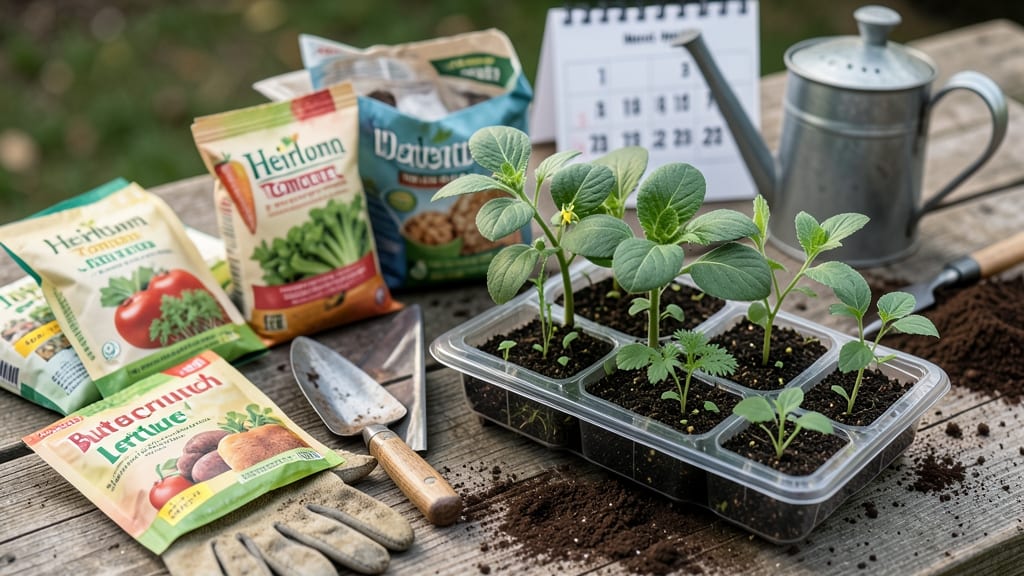
The best time to start a vegetable garden depends on your climate zone and the crops you’re growing — timing can make or break your harvest.
Picture this: you’ve prepped the soil, ordered seeds, and can’t wait to plant. But if you jump in too early, a late frost wipes out your seedlings. Or if you wait too long, your warm-season crops bolt before they bear fruit.
The key is knowing your last frost date and matching it to your plants’ needs.
In USDA Zone 6a, like many midwestern regions, the ideal window for cool-season crops like lettuce and peas is 4-6 weeks before your last frost (around early April).
Warm-season plants like tomatoes and peppers, though, need to wait until 2-3 weeks after that frost date has passed — usually late May.
Below, I’ll break down exactly how to sync your planting schedule with your zone, adjust for microclimates, and choose the right start method (indoors vs. direct-sow) for each crop. No more guesswork, just peak yields.
Best planting times by USDA climate zone: a month-by-month guide
Understanding your USDA climate zone is the first step to timing your vegetable garden perfectly. Zones 1-5 experience shorter growing seasons with earlier frosts, while zones 6-11 enjoy longer heat exposure. Even within zones, microclimates—like urban heat islands or sheltered valleys—can shift planting by 2-4 weeks.
Always calculate your last frost date (find it via local weather stations or the USDA Plant Hardiness Zone Map) as your anchor.
Cool-season crops like lettuce, spinach, and peas thrive when soil temps hit 40-50°F, often 4-6 weeks before last frost. Warm-season favorites such as tomatoes, peppers, and cucumbers need soil at 60°F+, planted 2-3 weeks after last frost.
High-altitude areas (e.g., zone 6 at 5,000ft) may have 2-3 weeks later frost dates than lowland zones.
🌱 Pro Tip: Use row covers or cold frames to extend early/late seasons by 2-4 weeks in zones 1-7. In zones 8-11, focus on shade cloth during summer to protect heat-sensitive crops like leafy greens.
| USDA Zone | Cool-Season Start | Warm-Season Start | Frost Adjustment | Example Crops |
|---|---|---|---|---|
| Zones 1-2 | Mid-May to June 15 | July 1 to August 1 | +3 weeks for high-altitude | Kale, Radishes, Peas |
| Zones 3-4 | April 15 to May 1 | May 15 to June 1 | +2 weeks for valleys | Spinach, Broccoli, Beans |
| Zones 5-6 | March 15 to April 1 | April 15 to May 1 | -1 week for urban heat | Carrots, Peppers, Lettuce |
| Zones 7-8 | February 1 to March 15 | March 1 to April 1 | -2 weeks for coastal | Tomatoes, Cucumbers, Basil |
| Zones 9-10 | December 1 to January 31 | January 15 to February 15 | +1 week for desert | Okra, Sweet Potatoes, Eggplant |
| Zone 11 | Year-round (shade) | Year-round (heat-tolerant) | None (tropical) | Peppers, Melons, Herbs |
In zones 1-4, prioritize early spring planting (March-April) for cool crops and late summer (August-September) for warm crops like beans and squash. These areas benefit from succession planting—sow radishes every 2 weeks for continuous harvests.
For zones 5-7, aim for two full growing seasons: spring (March-May) and fall (July-September).
Zones 8-10 can grow year-round with seasonal adjustments. Plant warm-season crops in fall (September-October) for winter harvests, then switch to cool-season crops in late winter (January-February).
In zone 11, focus on heat-tolerant varieties like Okra and Sweet Potatoes, and use shade cloth for greens during peak summer.
🌡️ High-Altitude Hack: Add 10-15 days to frost dates for every 1,000ft elevation gain. For example, a zone 6 garden at 6,000ft may have frost dates similar to zone 4 at sea level. Use planting calendars from nearby 1,000ft lower elevations as a guide.
Always test your soil temperature with a soil thermometer—cool crops need 40-50°F, while warm crops require 60-70°F
How to adjust your planting schedule for specific vegetables
Adjusting your planting schedule based on vegetable needs is the secret to maximizing your harvest. Some plants like tomatoes and peppers need a long, warm season, while lettuce and spinach thrive in cooler temperatures. The key is understanding whether to start seeds indoors or direct-sow outdoors—and when.
For warm-season vegetables, like tomatoes, peppers, and cucumbers, you’ll want to start seeds indoors 6-8 weeks before your last frost date.
These plants need warmth to germinate and grow, so planting them too early can lead to frost damage. Cool-season crops, such as lettuce, carrots, and radishes, can often be direct-sown outdoors 4-6 weeks before your last frost date.
| Vegetable | Indoor Start (Weeks Before Last Frost) | Direct Sow (Weeks Before/After Last Frost) | Succession Planting Tip |
|---|---|---|---|
| Tomatoes | 6-8 weeks | 2-3 weeks after | Plant heat-tolerant varieties in late summer for fall harvest. |
| Peppers | 8-10 weeks | 2-3 weeks after | Use black plastic mulch to warm soil faster. |
| Lettuce | Not needed | 4-6 weeks before | Sow every 2 weeks for continuous harvests. |
| Carrots | Not needed | 4-6 weeks before | Thin seedlings to 2 inches apart for larger roots. |
| Beans | Not needed | 1 week after | Plant in stages for staggered pod production. |
| Spinach | Not needed | 4-6 weeks before | Avoid planting in summer heat; prefers cooler temps. |
| Cucumbers | 3-4 weeks | 2-3 weeks after | Trellis vines to save space and improve air circulation. |
| Radishes | Not needed | 2-3 weeks before | Harvest in 3-4 weeks; plant every 2 weeks. |
Succession planting is a game-changer for continuous harvests. For example, lettuce and radishes grow quickly, so you can sow new seeds every 2-3 weeks to keep a steady supply. Meanwhile, cucumbers and beans benefit from staggered planting to extend their harvest window.
Even tomatoes can be planted in late summer for a fall crop if you choose heat-tolerant varieties.
Heat-tolerant varieties are worth seeking out if you live in a hot climate. Look for heat-resistant tomatoes like 'Heatmaster' or peppers labeled for high temperatures. These varieties can handle 90°F+ temperatures without bolting or producing bitter fruit. Always check seed packets for days to maturity and adjust your planting schedule